
We’ve all been there—searching for that one perfect shade that simply doesn’t exist in stores. Or perhaps you’re tired of squinting at ingredient labels filled with chemicals you can’t pronounce and want to know exactly what you’re applying to your eyelids. Making your own mineral eyeshadow gives you total creative control. You decide the color, the intensity, and the exact composition of your makeup.
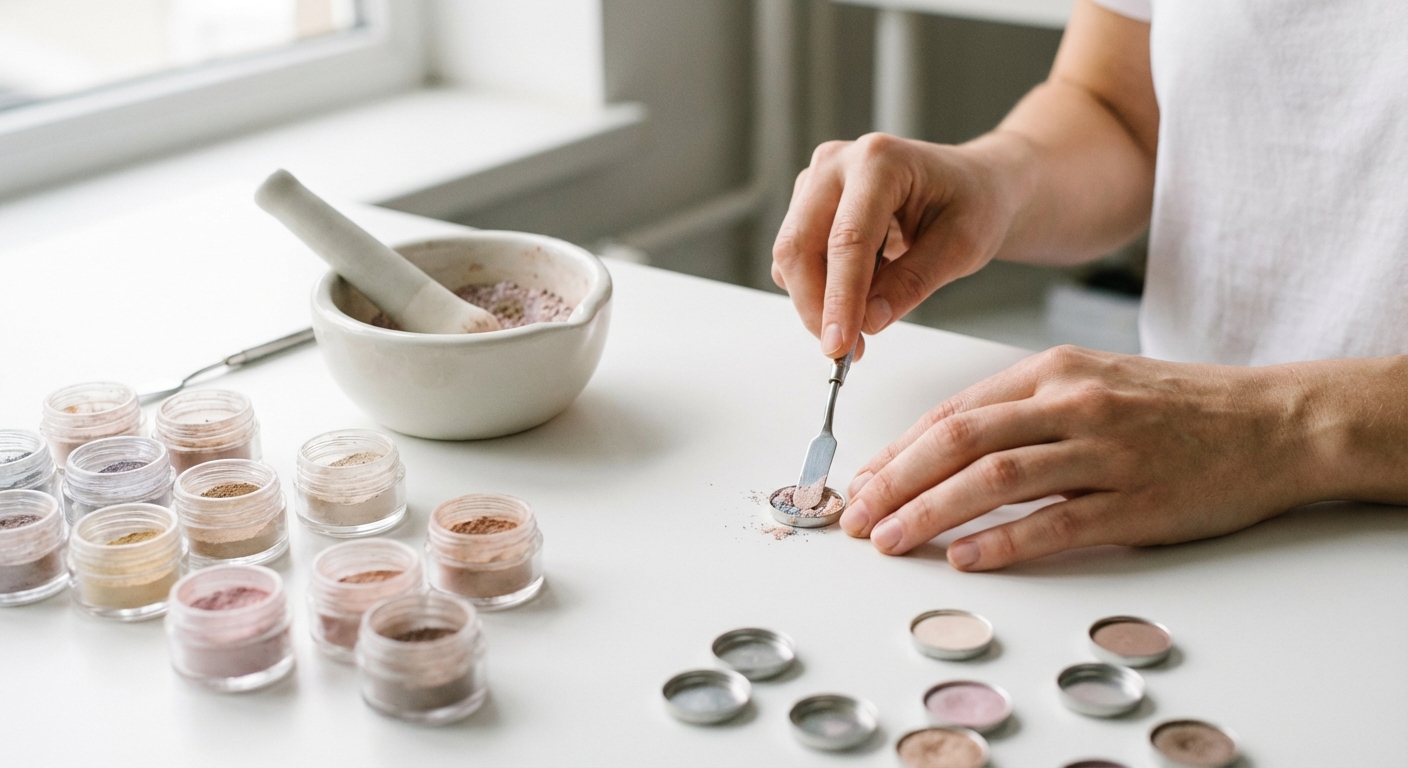
While it might sound like a job for a chemist, the process is actually quite straightforward. With a few base powders, the right micas, and a basic mixing technique, you can create professional-grade eyeshadow in no time. This guide will walk you through the entire process—from blending loose powders to pressing your own pans.
The Base: Essential Ingredients
A high-quality eyeshadow is more than just raw color. If you apply pure pigment directly to your eyelid, it won’t adhere properly and will smudge almost instantly. You need a “base” or carrier that provides adhesion, blendability, and opacity. These white powders act as the canvas for your pigments.
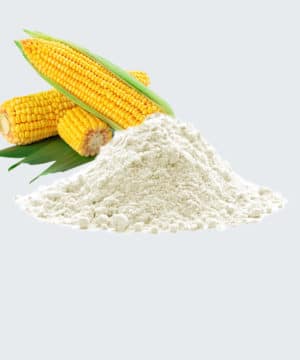
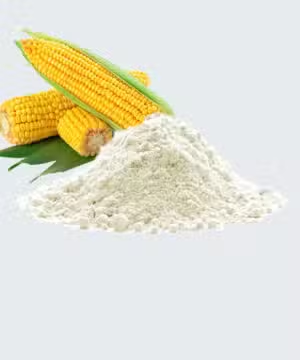
Kaolin clay is a vital component. It ensures the eyeshadow grips the skin so the powder doesn’t settle into fine lines, and it helps absorb excess oil on the eyelid. Zinc oxide is another staple; while often used in sunscreen, in makeup it provides solid coverage and extra “grab” on the skin. To give the eyeshadow a silky, high-end feel and better slip, add arrowroot powder or cornstarch.
-
 €2.07 €5,454.55Price range: €2.50€2.07 through €6,600.00€5,454.55 incl. VAT inc. VATExcl. VATSelect options This product has multiple variants. The options may be chosen on the product page
 -
 €1.45 €330.54Price range: €1.75€1.45 through €399.95€330.54 incl. VAT inc. VATExcl. VATSelect options This product has multiple variants. The options may be chosen on the product page
 -
 €0.79 €247.89Price range: €0.95€0.79 through €299.95€247.89 incl. VAT inc. VATExcl. VATSelect options This product has multiple variants. The options may be chosen on the product page
 -
 €1.61 €33.02Price range: €1.95€1.61 through €39.95€33.02 incl. VAT inc. VATExcl. VATSelect options This product has multiple variants. The options may be chosen on the product page

Color and Finish
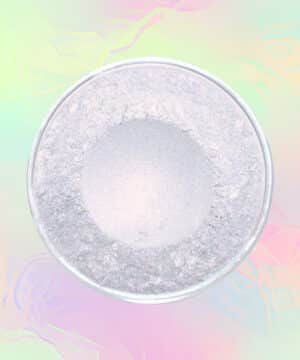
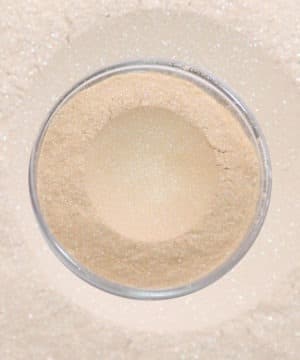
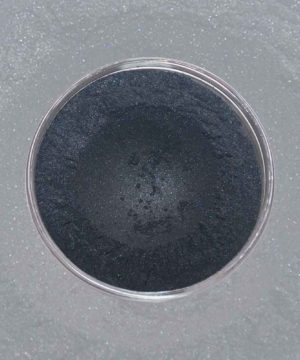
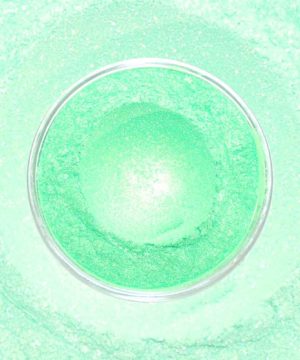
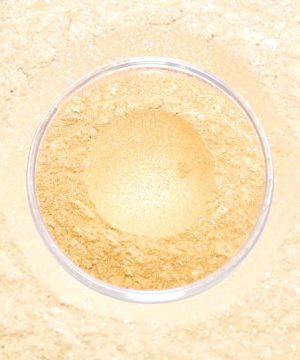
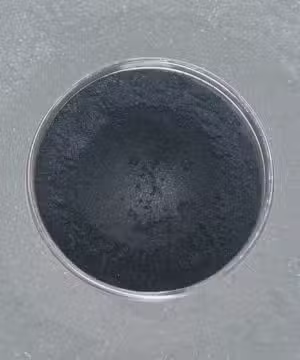
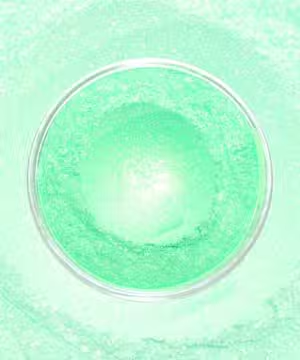
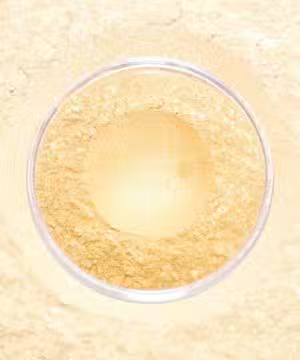
Once your base is ready, you can move on to the fun part: the color. For eyeshadow, we primarily use mica powders and oxides. Micas are shimmering mineral powders that provide the glow and sparkle often found in popular eyeshadows.
Oxides and ultramarines, by contrast, are matte, highly concentrated pigments. You only need a tiny amount of these to achieve deep, intense color. Looking for something more festive? You can incorporate cosmetic glitters. However, never substitute these with craft glitter, as the sharp edges can cause serious injury to your eyes.
-
 €2.44 €1,818.18Price range: €2.95€2.44 through €2,200.00€1,818.18 incl. VAT inc. VATExcl. VATSelect options This product has multiple variants. The options may be chosen on the product page
 -
 €1.61 €22.52Price range: €1.95€1.61 through €27.25€22.52 incl. VAT inc. VATExcl. VATSelect options This product has multiple variants. The options may be chosen on the product page
 -
 €1.61 €22.52Price range: €1.95€1.61 through €27.25€22.52 incl. VAT inc. VATExcl. VATSelect options This product has multiple variants. The options may be chosen on the product page
 -
 €1.61 €22.52Price range: €1.95€1.61 through €27.25€22.52 incl. VAT inc. VATExcl. VATSelect options This product has multiple variants. The options may be chosen on the product page
 -
 €1.61 €1,652.89Price range: €1.95€1.61 through €2,000.00€1,652.89 incl. VAT inc. VATExcl. VATSelect options This product has multiple variants. The options may be chosen on the product page

Binding Agents for Pressed Eyeshadow
If you prefer a compact palette over loose powder, you’ll need a liquid binding agent. This helps the powders stick together so they can be pressed into a solid form. Isopropyl myristate is a lightweight, non-greasy ester that makes the powder compressible and allows it to blend smoothly across the skin. Glycerin can also be used as a binder to provide a touch of extra hydration.
-
 €4.92 €582.60Price range: €5.95€4.92 through €704.95€582.60 incl. VAT inc. VATExcl. VATSelect options This product has multiple variants. The options may be chosen on the product page
 -
 €1.86 €181.78Price range: €2.25€1.86 through €219.95€181.78 incl. VAT inc. VATExcl. VATSelect options This product has multiple variants. The options may be chosen on the product page


Basic Recipe: Loose Mineral Eyeshadow
The secret to a great eyeshadow lies in the ratio of base to pigment. A reliable starting point is 50% base and 50% color. For a sheerer, more transparent look, increase the base. For high-impact, extreme coverage, increase the pigment percentage.
To make a batch of roughly 5 to 10 grams, start with your base mix: combine 2 parts arrowroot powder (or cornstarch), 1 part kaolin clay, and 1 part zinc oxide. For extra staying power, you can add half a part of magnesium stearate. For the color, add approximately 3 parts mica powder and 1 part oxide pigment. Be careful with the oxides—they are incredibly potent.
Step-by-Step Mixing Instructions
Simply stirring powders together usually isn’t enough, especially when working with matte oxides. To avoid streaks and ensure the white base is fully tinted, you need a more thorough approach.
Always begin with a clean workspace. Sanitize your mortar and pestle, bowls, and jars with alcohol. First, blend your arrowroot, kaolin, and zinc oxide in a mortar or a clean coffee grinder until the mixture is uniform.
Next, add your matte pigments (oxides) to the base and grind thoroughly. You will see the color deepen and intensify as the pigments are evenly distributed through the base. Finally, add your micas. Be gentle here: do not grind too hard, as crushing mica particles can destroy their reflective properties and make them look dull. Stir them in lightly until blended. Test the result on your wrist—if you want more coverage, add kaolin; for more intensity, add more pigment.
-
 €3.26 €49.55Price range: €3.95€3.26 through €59.95€49.55 incl. VAT inc. VATExcl. VATSelect options This product has multiple variants. The options may be chosen on the product page
 -
€3.26 €53.68Price range: €3.95€3.26 through €64.95€53.68 incl. VAT inc. VATExcl. VATSelect options This product has multiple variants. The options may be chosen on the product page

Advanced: Pressing Your Eyeshadow
Loose powders are great, but a palette of pressed pans is much more convenient for daily use. To transform loose powder into a solid compact, you’ll need a binder and rubbing alcohol.
Take your custom loose powder and add your binding agent drop by drop. A mix of isopropyl myristate and a drop of Vitamin E oil works perfectly. As a rule of thumb, use about 30 to 40 drops of binder per 5 grams of powder, though this varies depending on your specific ingredients. Aim for the consistency of wet sand.
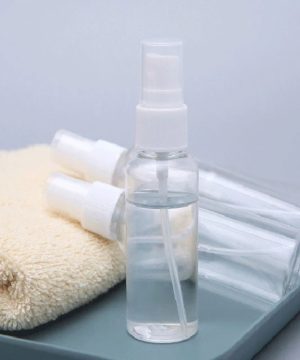
Mix this thoroughly in a mortar or a plastic bag until the binder is evenly incorporated and there are no clumps. Scoop the mixture into your eyeshadow pan. Fill a spray bottle with alcohol (70% or higher) and lightly mist the powder in the pan. Place a paper towel or tissue over the pan and press down firmly using a dedicated presser or a coin that fits the pan exactly. Let it dry for 24 hours to allow the alcohol to evaporate completely.
-
€4.92 €582.60Price range: €5.95€4.92 through €704.95€582.60 incl. VAT inc. VATExcl. VATSelect options This product has multiple variants. The options may be chosen on the product page
-
€2.89 €2,479.34Price range: €3.50€2.89 through €3,000.00€2,479.34 incl. VAT inc. VATExcl. VATSelect options This product has multiple variants. The options may be chosen on the product page
Safety and Preservation
When making cosmetics for the eye area, safety is the top priority. The skin around the eyes is exceptionally thin and sensitive, and you must prevent contamination.
Not every colorant is eye-safe. Some micas or neon pigments are only approved for use in soap or nail polish. Always check the product description to ensure a mica is “Eye Safe.” Pay close attention to oxides as well; certain greens and blues (like specific ultramarines or chrome oxides) may be permitted for the eyes but not for the lips. Always read the specifications.
If you are making loose powder, you generally don’t need broad-spectrum preservatives because bacteria and mold require water to grow. However, adding an antioxidant like Vitamin E is a good idea to prevent any oils in the mix from going rancid.
If you are pressing your eyeshadow, you are introducing liquids and potentially moisture from your brushes during use. While pressed powders are considered anhydrous (water-free) once the alcohol evaporates, many DIYers add a mild preservative, such as phenoxyethanol (at a maximum of 1%), as an extra precaution. Above all, always ensure your hands and tools are sterile.
-
 €3.26 €95.83Price range: €3.95€3.26 through €115.95€95.83 incl. VAT inc. VATExcl. VATSelect options This product has multiple variants. The options may be chosen on the product page
Tips for the Best Results
For a matte finish, increase the ratio of oxides and clay in your formula. If you want a “high shimmer” finish, use almost pure mica with just a small amount of binder (like magnesium stearate or zinc oxide) for adhesion.
If your eyeshadow feels patchy during application, it likely needs more thorough mixing in the mortar, or the ratio of base powder to pigment is too low. Start with small batches and keep detailed notes on your measurements. This allows you to recreate your perfect custom shades later. Making your own makeup involves a bit of trial and error, but the result is a personalized palette that is uniquely yours.


