
Have you ever wandered through a garden in full bloom and wished you could bottle that fragrance? For many DIY enthusiasts, the ultimate goal is to extract 100% pure essential oils from their own homegrown plants. While the process feels like a modern form of alchemy, it requires technical precision and a significant amount of patience. In this guide, we explore the mechanics of extraction and whether small-scale production is a realistic goal for the home hobbyist.
How Is Essential Oil Extracted?
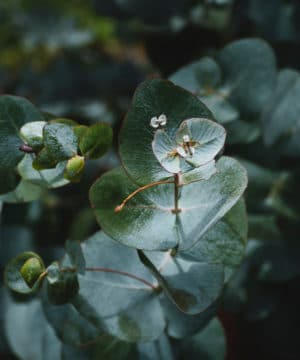
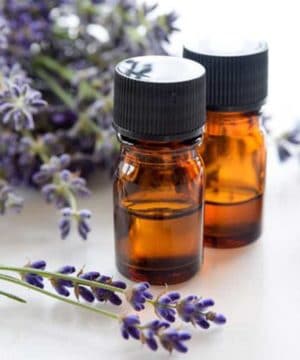
There are several methods used to capture the “aromatic soul” of a plant. The most common technique, and the one most accessible to hobbyists, is steam distillation. During this process, steam is passed through plant material—such as lavender flowers or eucalyptus leaves. The heat causes the plant’s microscopic oil sacs to burst, releasing volatile compounds that evaporate into the steam. This vapor then travels through a condenser where it cools and reverts to liquid form. Because oil and water are immiscible, the pure essential oil eventually rises to the surface, where it can be siphoned off.
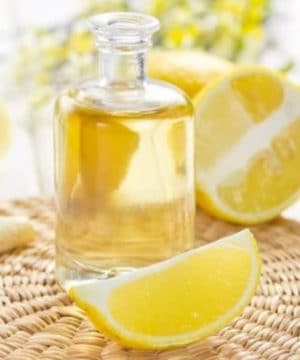
The process for citrus fruits is fundamentally different. The oils in lemons and oranges are stored in the peel and are typically extracted through cold pressing. This involves mechanically squeezing the peels to release the oil. Without specialized equipment, this is quite difficult to achieve at home. A popular alternative is maceration or infusion, where plants are soaked in a neutral carrier oil to absorb their scent. While this produces a lovely fragrant oil for massages or salves, it is not technically a pure essential oil because the aromatic molecules remain diluted within the carrier oil.
The Reality of Low Yields
Before investing in a copper still, it is vital to understand the numbers. The yield from botanical material is often surprisingly low. For example, producing just one kilogram of lavender oil can require up to one hundred kilograms of flowers—a yield of only 1%. For many other plants, the ratio is even more lopsided. To fill a standard 10 ml bottle, you need a substantial volume of fresh material.
For the average gardener, the yield from a few backyard plants might only amount to a few drops of oil. Your success depends entirely on the volume of raw material and the specific oil content of the plant you are using. With a small home setup, you will primarily produce hydrosols or floral waters. This is the aromatic water collected during distillation that contains a small amount of dissolved plant compounds.
-
 €2.89 €8.26Price range: €3.50€2.89 through €10.00€8.26 incl. VAT inc. VATExcl. VATSelect options This product has multiple variants. The options may be chosen on the product page
 -
 €2.69 €227.23Price range: €3.25€2.69 through €274.95€227.23 incl. VAT inc. VATExcl. VATSelect options This product has multiple variants. The options may be chosen on the product page
 -
 €4.13 €165.25Price range: €5.00€4.13 through €199.95€165.25 incl. VAT inc. VATExcl. VATSelect options This product has multiple variants. The options may be chosen on the product page


Hydrosols: The Hidden Benefit of Distillation
During the distillation process, you create more than just those precious drops of oil. The water remaining after the oil has been separated is known as a hydrosol. These liquids are much milder than concentrated essential oils and contain the water-soluble components of the plant. Unlike essential oils, hydrosols can be applied directly to the skin without dilution. They are excellent as natural facial toners or as a foundation for a room and linen spray base. Many makers find hydrosols to be the most rewarding part of home distillation because they provide a usable, high-quality product in much larger quantities.
Is DIY Distillation Right for Your Project?
Distillation is a beautiful craft, but it is undeniably labor-intensive. If you require consistent quality and specific scent potency for flowers and herbs used in soaps or cosmetics, purchasing ready-to-use, professional-grade oils is often more practical. Professional producers operate at a scale that guarantees purity and safety—standards that are difficult to replicate in a home kitchen.
Homemade oils can also vary significantly from batch to batch depending on soil quality and climate. For a commercial product line, this lack of consistency can be a challenge. At YouWish, we provide pure oils that offer reliable concentration for all your recipes. Whether you need the invigorating scent of peppermint or the calming properties of lavender, you can count on a standardized, high-quality result.
-
 €3.26 €371.86Price range: €3.95€3.26 through €449.95€371.86 incl. VAT inc. VATExcl. VATSelect options This product has multiple variants. The options may be chosen on the product page
 -
 €3.26 €347.07Price range: €3.95€3.26 through €419.95€347.07 incl. VAT inc. VATExcl. VATSelect options This product has multiple variants. The options may be chosen on the product page
 -
 €3.26 €330.54Price range: €3.95€3.26 through €399.95€330.54 incl. VAT inc. VATExcl. VATSelect options This product has multiple variants. The options may be chosen on the product page
 -
 €3.26 €495.83Price range: €3.95€3.26 through €599.95€495.83 incl. VAT inc. VATExcl. VATSelect options This product has multiple variants. The options may be chosen on the product page
 -
 €3.26 €495.83Price range: €3.95€3.26 through €599.95€495.83 incl. VAT inc. VATExcl. VATSelect options This product has multiple variants. The options may be chosen on the product page
 -
 €3.26 €495.83Price range: €3.95€3.26 through €599.95€495.83 incl. VAT inc. VATExcl. VATSelect options This product has multiple variants. The options may be chosen on the product page
 -
 €3.26 €495.83Price range: €3.95€3.26 through €599.95€495.83 incl. VAT inc. VATExcl. VATSelect options This product has multiple variants. The options may be chosen on the product page


Safety and the Art of Storage
Whether you have distilled your own oil or purchased it, these potent extracts must be handled with care. Essential oils are highly concentrated and should almost never be applied to the skin undiluted. As a general rule, a 2% dilution is standard for most body products, while a lower concentration of 0.5% to 1% is recommended for facial applications. Always prioritize safety when using essential oils and ensure you understand how to dilute them correctly.
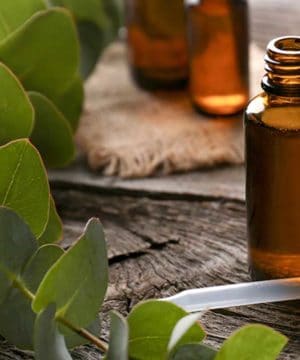
Proper storage is equally critical. Oils should be kept in dark glass—typically amber bottles—to block UV radiation. Light, heat, and oxygen are the primary causes of oxidation, which degrades the oil and strips it of its therapeutic properties. You can usually identify oxidized oil by a flat or sharp, alcohol-like scent; these oils should not be used on the skin as they can cause irritation. For more details on maintaining your collection, visit our page on storing essential oils.
Extracting your own essential oil is a fascinating way to connect with the power of nature. Even if the final yield is modest, the process builds a deep appreciation for the ingredients we use in our handmade creations. If you prefer to jump straight into blending, browse our aromatherapy category for all the supplies you need to give your personal care products a signature scent.


