
Have you ever wondered why some soaps leave your skin feeling tight while others leave it silky smooth? The answer often lies in a simple, syrupy ingredient that is an absolute powerhouse in the world of DIY cosmetics: glycerin. For many makers, this substance is the secret ally that transforms an ordinary cream into a hydrating wonder. It is a versatile additive that not only retains moisture but also significantly improves the texture of your creations.
The Basics: Glycerin vs. Glycerol
In the world of ingredients, you will often see the names glycerin and glycerol used interchangeably. There is no need for confusion; they refer to the exact same substance. In a laboratory or chemistry setting, it is usually called glycerol (the official name), while the cosmetics industry prefers the term glycerin. It is a naturally occurring sugar alcohol found in vegetable and animal fats. The variant we provide is 100% plant-based and is typically derived from rapeseed.
Glycerin is a colorless, odorless, and viscous liquid with a slightly sweet taste. What makes this ingredient truly special is its classification as a humectant. This means it has a powerful affinity for water, drawing moisture from the environment and locking it into the skin. This makes it one of the most effective ways to boost hydration without making a finished product feel greasy or heavy.
-
 €1.86 €181.78Price range: €2.25€1.86 through €219.95€181.78 incl. VAT inc. VATExcl. VATSelect options This product has multiple variants. The options may be chosen on the product page

How Glycerin Benefits the Skin
Glycerin is a vital component of the skin’s own natural moisturizing factor (NMF). By incorporating it into your homemade cosmetics, you help strengthen the skin barrier. It acts as a protective shield that prevents trans-epidermal water loss, keeping the skin supple and soft. This is especially beneficial for those with dry or sensitive skin prone to irritation.
This ingredient supports the skin’s natural recovery process and protects against harsh environmental factors like wind or dry indoor heating. In your formulations, it also improves “slip” and spreadability. Creams containing a small percentage of glycerin glide more easily over the skin and leave behind a well-nourished feel. Furthermore, because it is non-comedogenic, it won’t clog pores, making it suitable for almost every skin type.
Glycerin in Handmade Soap
When you make soap using the cold process method, glycerin is naturally produced as a byproduct of the saponification process. In commercial mass-produced soaps, this glycerin is often extracted to be sold separately as a valuable commodity. However, in artisanal bars, it remains intact. This is exactly why handmade soap is often much gentler on the skin than supermarket varieties.
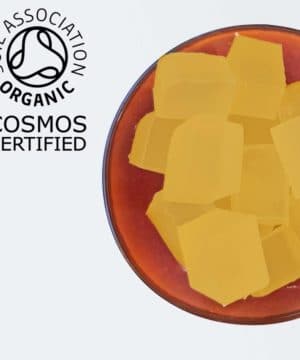
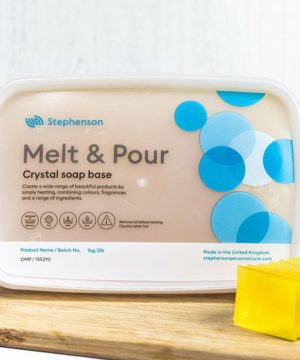
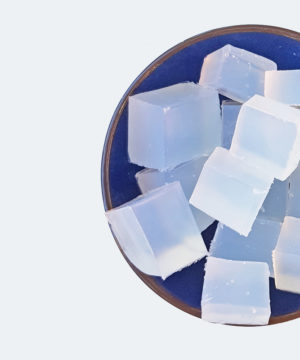
If you prefer working with melt and pour soap, the base usually already contains a high glycerin content for extra hydration. While you can choose to add extra glycerin to soap, it is important to do so in moderation. Adding too much can cause your soap to “sweat”—a phenomenon where small droplets of moisture appear on the surface because the glycerin is attracting moisture from the air. For a clean finish in humid environments, it is best to use a specialized low-sweat soap base.
-
-
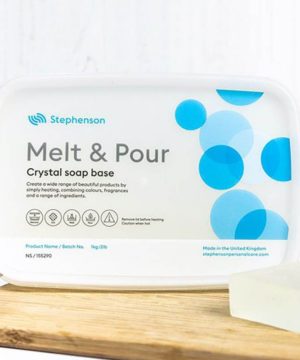 €13.75 €90.87Price range: €13.75€13.75 through €109.95€90.87 incl. VAT inc. VATExcl. VATSelect options This product has multiple variants. The options may be chosen on the product page
 -
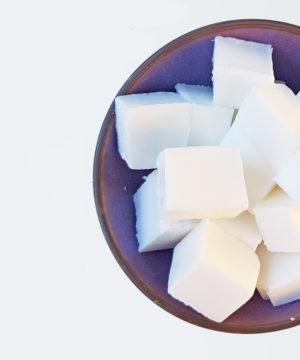
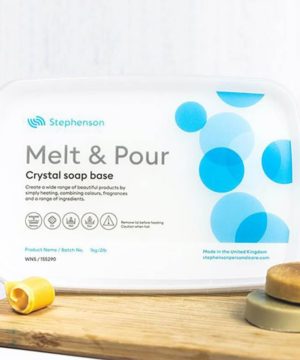 €13.75 €90.87Price range: €13.75€13.75 through €109.95€90.87 incl. VAT inc. VATExcl. VATSelect options This product has multiple variants. The options may be chosen on the product page


Using Glycerin in Lotions and Serums
In liquid formulations such as body lotions or facial serums, glycerin is virtually indispensable. It is typically added to the water phase of your recipe before the emulsification process begins. A standard guideline for leave-on products (such as face creams) is a concentration between 2% and 5%. For rinse-off products, such as facial cleansers, you can safely use up to 10%.
Glycerin works synergistically with other humectants for more intensive results. It pairs beautifully with ingredients that soothe the skin or provide deep hydration across different layers of the epidermis. You can find these high-performance additives in our range of lotion ingredients. For those who want to avoid a sticky skin feel at higher concentrations, alternative humectants can be used to improve the absorption of active ingredients.
-
 €6.95 €360.00Price range: €6.95€6.95 through €360.00€360.00 incl. VAT inc. VATExcl. VATSelect options This product has multiple variants. The options may be chosen on the product page
 -
 €6.95 €749.95Price range: €6.95€6.95 through €749.95€749.95 incl. VAT inc. VATExcl. VATSelect options This product has multiple variants. The options may be chosen on the product page
 -
 €4.95 €250.00Price range: €4.95€4.95 through €250.00€250.00 incl. VAT inc. VATExcl. VATSelect options This product has multiple variants. The options may be chosen on the product page
 -
€2.44 €1,570.25Price range: €2.95€2.44 through €1,900.00€1,570.25 incl. VAT inc. VATExcl. VATSelect options This product has multiple variants. The options may be chosen on the product page

Tips for Better Formulations
If you are using glycerin in a facial spray or toner, always mix it with distilled water. When applied at full strength to the skin in very low humidity, it can actually have the opposite effect: it may draw moisture out of the deeper layers of the skin. By diluting it properly, you ensure that your toner provides maximum hydration.
Stability and Mixing
To achieve a smooth, stable emulsion, it helps to understand the role of a cosmetic emulsifier. While glycerin mixes effortlessly with water, you will need an emulsifier to bind it with oils and butters. Additionally, pay close attention to preservation. Any formulation containing water and glycerin is a potential breeding ground for bacteria and mold. Always use a suitable broad-spectrum preservative to ensure your creations remain safe for use.
Getting Started
Whether you are crafting a simple hydrating mist or following a complex hand soap recipe, glycerin provides that professional, soft finish. It is an accessible, affordable ingredient that makes a noticeable difference in the sensory profile of your products. Try experimenting with a small percentage in your next batch and discover how this “liquid gold” can elevate your skincare routine.


