
 View documents


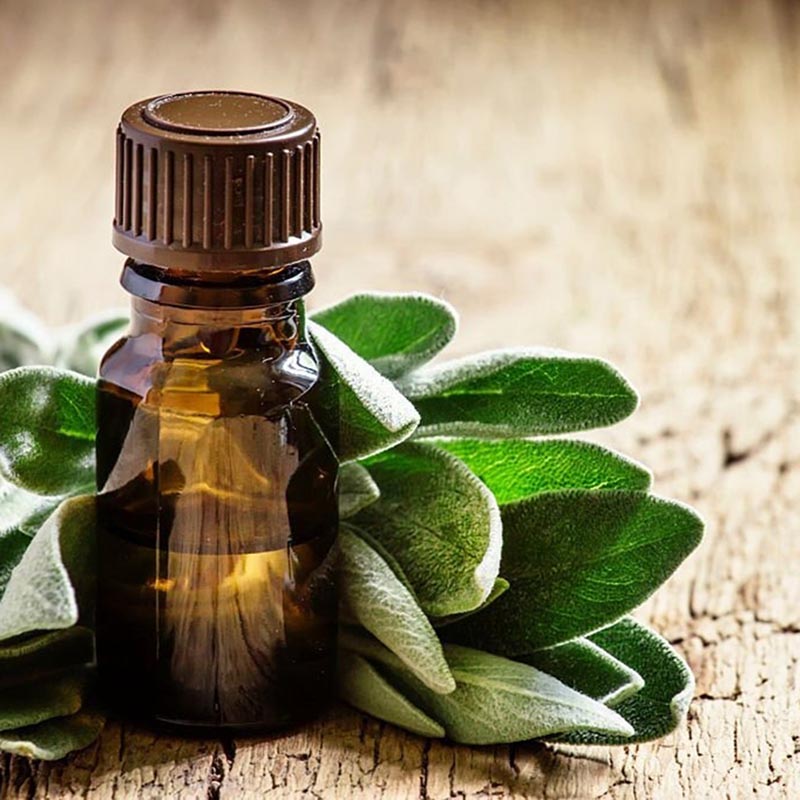
Sage Essential Oil Organic
Sage Essential Oil Organic is derived from Salvia officinalis. The plant grows naturally around the Mediterranean region. Major growing areas include Albania, Croatia, Spain and Morocco. Sunshine, chalky soils and cool nights produce a spicy, slightly camphoraceous profile that smells clean and clear. Dalmatian sage is known for its distinct, dry spiciness.
How the oil is made
The oil is created via steam distillation of leaves and flowering top shoots. Fresh or short-dried plant material goes into the boiler, steam through it, then oil and hydrolate separate. The harvest time around peak flowering provides the best balance of fresh top notes and spicy depth. Quiet distillation at controlled temperature prevents too sharp a tone.
Uses and applications
In aroma blends, choose sage for focus and order with a spicy, dry edge. A few drops in the diffuser instantly creates an uncluttered atmosphere in a workspace. In wellness, the oil is used in massage and bath preparations when you want a bright, herbal accent without getting sweet. Start low in dosage and build up. Sage takes charge quickly.
Sage in soap and cosmetics
In skincare and bodycare, sage gives a clean, herbal-fresh signature. Popular in cleansers, toners, body wash and modern deodorant concepts where you want to stay sleek and non-floral. In cold process soap, the scent remains easily recognizable, although sage can make the batter thicken faster. Therefore, work at a lower temperature and add fragrance phase controlled. Nice combinations are cedar, rosemary or a hint of lemon for elevator.
Candles and home perfume with Sage Essential Oil Organic
Sage provides rapid diffusion in candles, fragrance sticks and room sprays. Ideal for entryways and studios where you want an immediate fresh, orderly impression. In candles, add some body with vetiver, pine or cedar. Guideline from practice. A 180 g soy wax candle with around 6 percent total fragrance content, blend of sage, cedar and a dash of grapefruit, delivers a neat throw without getting too sharp. In cream sprays, sage works well with bergamot or lavandin.
Features and benefits
-
Aroma. Spicy, dry, slightly camphoraceous and bright.
-
Experience. Tidy, focused, clean.
-
Performance. Top to heart note with direct projection, well controlled with wood and citrus.
-
Profile. Naturally rich in components such as 1,8-cineol, camphor and thujone, which account for its tight, spicy freshness.
Quality and safety
Always dilute before skin use and do a patch test first. Avoid contact with eyes and mucous membranes. Do not use internally. Use with caution in pregnancy, lactation, epilepsy and in young children. Sage oil contains thujone and requires conservative dosages in leave-on products. Sage is not phototoxic. Store cool and dark. Work with fresh oil and seal bottles tightly to reduce oxidation.
Why choose organic
Organic cultivation avoids synthetic pesticides and supports soil health and biodiversity. The result is clean, transparent origins and a consistent herbal profile on which to build formulations. Whether you’re developing a sleek face wash, a CP soap with a dry herbal tone or a cream spray that needs to say “fresh and ordered.” Sage Essential Oil Organic fits logically into a modern, natural product line.


Reviews
There are no reviews yet.