
Makeup routines are moving away from heavy, thick formulas that cover the skin and toward lighter, breathable formulas that enhance the skin. More and more people prefer products that even out the complexion while keeping skin fresh and natural, rather than applying a lot of heavy foundation. Natural skin tone is currently getting a lot of attention because of this trend. We are going to talk about what natural skin tone is, why it has become popular in beauty routines, how to make your own skin tone and what raw materials can help you create a formula that feels professional and soothing to the skin.
What is a natural skin tone and why is it popular?
A natural skin tint is a makeup with light coverage that evens out your skin tone without hiding its natural texture. Skin tints give your skin a “your skin, but better” look that is soft, radiant and easy to apply. Foundations with full coverage do not do this.
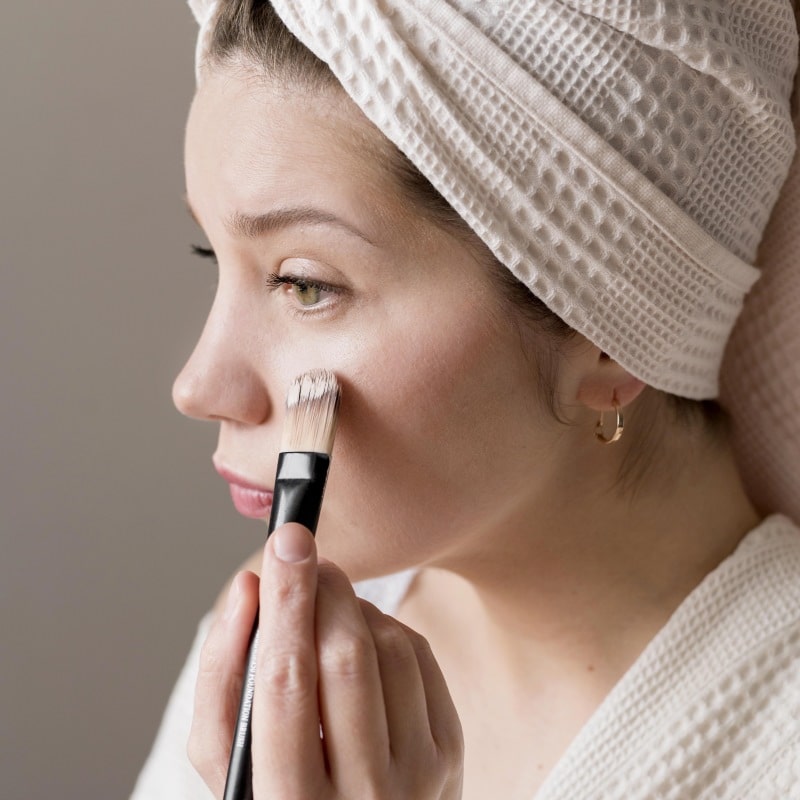
The clean beauty movement has also contributed to the popularity of natural skin tint. Many people now want skin-like makeup that contains no heavy silicones or fillers, but instead gentle ingredients. When you make your own skin tint, it becomes even more meaningful because the ingredients, color and texture reflect your personal preferences rather than a one-size-fits-all approach.
Why make your own skin tone?
Making your own skin care product is not only fun, but also convenient. When you make your own skin tint, you can choose exactly how much moisture, oil and finish you want. Aloe vera can make the formula light and easy to spread, jojoba oil can add nutrients, and vitamin E can prevent oils from oxidizing and keep skin soft. Cosmetic mica powder gives you a sophisticated shine without glitter.
A homemade product is also inexpensive. Once you purchase a few essential cosmetic-making ingredients, such as pigments and nourishing oils, you can make several shades and batches without having to purchase multiple products over time.
Another advantage of making your own DIY skin tint is that you can make sure it suits your values and skin type. Some people who love beauty products want vegan ingredients, some want formulas that don’t smell and some stay away from silicones and preservatives. When you
Understanding the role of ingredients in the composition of skin tone
For an even and light skin tone, you need balance, not a long list of ingredients. Each component has a purpose:
- Aloe vera gel: light hydration and spreadability
- Jojoba oil: nourishes without feeling heavy
- Mica powder: provides pigment and a natural shine
- Vitamin E: adds antioxidant protection and extends shelf life
- Arrowroot or corn starch (optional): reduces sheen for a soft matte effect
This simple texture makes natural skin tone feel light and airy while evening out the complexion. It enhances the skin rather than hiding it.
How to choose the right mica powder for a natural finish?
Different pigments work differently on the skin. Some can look too flat, chalky or shiny, while others change color and oxidize when you wear them. Mica powder , on the other hand, blends well, works with different skin tones and reflects light in a way that looks like real skin, not glitter.
The pigment source makes a skin tone look balanced and real. Therefore, mica powder is the best choice for products that make your skin look better. It spreads evenly, is easy for beginners to use and gives you a lot of control over depth and undertones.
Colors that work well for skin tones include:
- Nude
- Soft caramel
- Beige
- Light bronze
- Pink nude
Users who like to make cosmetics often mix multiple mica colors to create the perfect undertone, something that is not always possible with premixed products.
Step-by-step recipe for a homemade natural skin tint
Here’s a home-friendly formula that balances moisture, color and wearability.
Ingredients
- 1 teaspoon of aloe vera gel
- 0.5 teaspoon jojoba oil
- 0.6 teaspoon of mica powder (adjust to skin tone and intensity)
- 1-2 drops of vitamin E
Instructions
- Mix aloe vera gel and jojoba oil until completely blended.
- Add the mica powder gradually, stirring well to avoid streaks.
- Add vitamin E and blend until the shade is smooth and even.
- Test the shade on your hand and adjust as needed.
- Put the mixture in a clean glass jar and store it out of direct sunlight.
This formula provides a natural skin tone that is air-permeable and ideal for everyday use. You can add a little arrowroot powder if you want a more matte finish.
Get the most out of your natural skin tone
For dry skin
Richer oils and humectants work very well on dry skin. Adding a few drops of squalane or argan oil nourishes the skin better and gives it a radiant finish. These additional ingredients help the homemade skin tint blend better instead of just staying on the skin.
You can also add a few drops of hyaluronic acid serum or a moisturizer with glycerin to the mixture if you have dry skin. These moisturizers help the skin retain more water, keeping it hydrated throughout the day and not flaking. This change makes a natural skin tint a really comfortable product that keeps the skin healthy and gives it a natural glow, especially in winter or when it is hot inside.
For oily or combination skin
Light oils are good for oily and combination skin. If you use less jojoba and add a little arrowroot, you can keep the soft glow without making your skin too shiny.
Adding a small amount of niacinamide serum or zinc PCA to the mixture can also help oily and combination skin. Both ingredients help control sebum production, make skin feel better and keep it clear over time. This change keeps a homemade skin tint from slipping throughout the day while maintaining a light, natural look. The end result is a tint product that makes your skin look more radiant without making it too shiny. This is the perfect middle ground for people who want to be able to breathe without constantly touching up their powder.
Tips for professional results and stability
Keep in mind the following points to achieve even better results:
- Add pigments slowly; you can always darken the color later.
- Stir well to make sure everything is evenly distributed.
- Test on skin in natural light to get the right undertone.
- Store in an airtight container and away from heat sources.
- Use only mica powder that is safe for cosmetic making. Food dyes and cocoa cannot be used as safe facial pigments.
These little things make a homemade skin tint feel like a real makeup product.
Choosing mica powder responsibly for skin tint formulas
Color is not the only thing that matters in skin care products; safety and particle size are just as important. Mica powder that is safe for skin tint should be cosmetic grade, finely ground and have a label stating that it is safe for use on the face. This prevents the product from being too shiny, blotchy or irritating, making it look fake. Instead of choosing pigments based solely on their color, you can avoid common mistakes by taking a moment to read the instructions for use.
Some manufacturers buy mica powder with two or three different undertones that match well and blend them slowly. This gives you more control over color matching than with store-bought shades or foundations. Clear descriptions of colors and how to use them make it easier to choose, especially for people who are new to cosmetics making and want to be sure of their ingredient choices rather than guessing through trial and error.
Frequently asked questions (FAQ)
V1. How long does a homemade skin tint last?
If vitamin E is added and the product is kept away from heat and sunlight, it will keep for about 2-3 months.
V2. Is it safe to use mica powder on the face?
Yes, mica that is safe for use in facial products that you do not rinse off is safe. You should not use pigments that are not intended for cosmetics.
V3. Can I mix different colors of mica?
Yes. That’s one of the best ways to get just the right undertone.
V4. Is skin tint the same as foundation?
Yes, for people who want light to medium coverage. You can layer it or use it together with concealer for full coverage.
Conclusion
A natural skin tone is a good balance between makeup and skin care. It evens out the complexion and keeps skin fresh and breathable. When you make your own skin tint, you can choose the texture, shine, ingredients and undertones so that the end result is perfect for your skin. The formula is clean, nourishing and can be customized by adding things like aloe vera gel, jojoba oil, vitamin E and high-quality mica powder.
Skin tinting is a fun project for anyone who enjoys making cosmetics because you can be creative and create something that is uniquely yours. If you start playing with pigments and undertones, you can create an infinite number of natural and easy-to-wear skin tones. Many makers


