
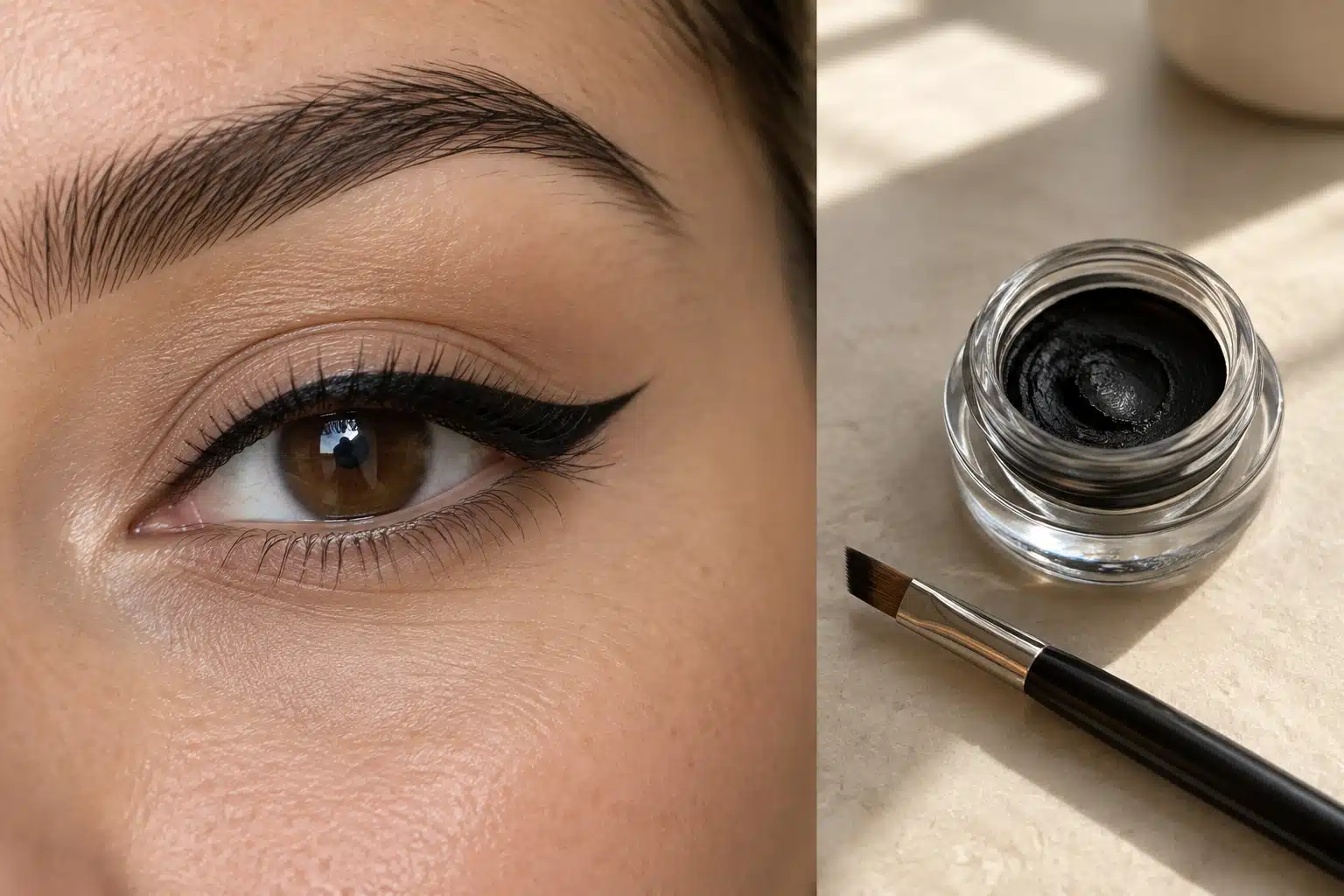
Few things are more frustrating than perfecting a crisp winged liner, only to catch a glimpse of yourself two hours later and find a murky shadow pooled beneath your eyes. It is one of the most common complaints when it comes to DIY makeup. Why does conventional eyeliner stay locked in place all day while homemade versions tend to slip and slide? The answer comes down to the interplay between body heat, natural oils, and formulation chemistry.
The sebum naturally produced by your eyelids functions as an effective solvent for the oils in your cosmetics. Add body heat into the mix, and an overly soft formula will quickly migrate into fine lines or smudge down toward the lower lash line. Fortunately, correcting this comes down to basic cosmetic formulating. By selecting the best natural ingredients for makeup, you can build a resilient, long-wearing base that holds up from morning to night.
The Foundation of a Melt-Proof Formula
When formulating an eyeliner pencil or potted gel-balm, balance is everything. A basic blend of liquid carrier oils and pigments will melt almost immediately on warm skin. To stand up to daily wear, your formula requires structural integrity.
Choose Hard Waxes for Stability
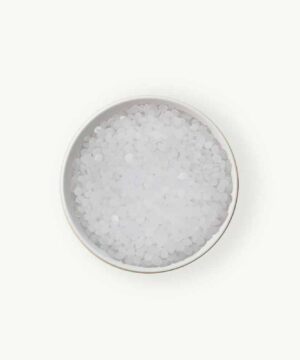
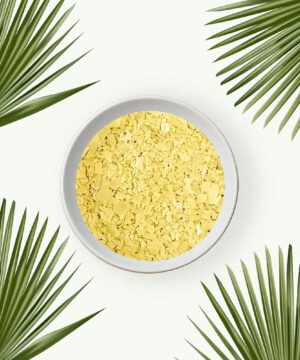
Waxes provide the structural backbone of any solid cosmetic. While a lip balm can afford to be plush and soft, an eyeliner needs genuine firmness. Beeswax is the classic choice here; white beeswax is generally preferred over unrefined yellow beeswax, as the natural yellow hue can muddy rich, deep pigments.
If you are formulating vegan cosmetics or need a higher melting point, carnauba wax provides exceptional hardness and a high-gloss finish. Cera Bellina is another valuable co-wax: it helps transform liquid oils into stable gels without leaving the product stiff or draggy. If you have ever experimented with making mascara, you will recognize these waxes as a trusted combination for reliable wear and smooth payoff.
-
 €5.74 €702.48Price range: €6.95€5.74 through €850.00€702.48 incl. VAT inc. VATExcl. VATSelect options This product has multiple variants. The options may be chosen on the product page
 -
 €5.74 €123.93Price range: €6.95€5.74 through €149.95€123.93 incl. VAT inc. VATExcl. VATSelect options This product has multiple variants. The options may be chosen on the product page

Use Viscous Oils with Good Adhesion
Not every cosmetic oil performs well on the eyelid. Lightweight, fast-spreading oils tend to bleed rapidly into micro-creases. Castor oil, on the other hand, is an industry staple for good reason: its high viscosity allows it to suspend pigments evenly and grip the skin, giving you an effortless glide that does not break down immediately. While you can include a touch of shea butter for conditioning, keep soft butters to an absolute minimum. Always round out your oil phase with an antioxidant, like vitamin E, to protect your plant-based fats from going rancid.
-
€2.89 €2,479.34Price range: €3.50€2.89 through €3,000.00€2,479.34 incl. VAT inc. VATExcl. VATSelect options This product has multiple variants. The options may be chosen on the product page

Raise the Melting Point
To give your eyeliner a truly steadfast grip, consider adding an auxiliary texturizer and thickener like stearic acid (palm stearin). Introducing stearic acid elevates the overall melting temperature of your balm base, ensuring the formula maintains its integrity even on warm, humid days.
Cake Eyeliner and Liquid Formulas
If pencil and balm textures consistently crease on your skin, cake eyeliner may be the ideal alternative. Instead of relying on an oil-and-wax foundation, cake liner consists of a dry, firmly pressed pan of pigments, filler powders, and binders.
To apply it, simply wet a fine detailing brush with water or a botanical mixing medium, work up a paste from the pan, and paint on your line. As the moisture evaporates, it leaves behind an ultra-crisp, smudge-resistant film of pure pigment. Because cake liner contains little to no lipid content, natural eyelid oils have a much harder time breaking it down. If you prefer a ready-to-use liquid eyeliner, build a fast-drying aqueous base thickened with cosmetic gums or hydrocolloids to achieve clean suspension and optimal brush control.
-
 €4.09 €243.80Price range: €4.95€4.09 through €295.00€243.80 incl. VAT inc. VATExcl. VATSelect options This product has multiple variants. The options may be chosen on the product page
 -
 €4.09 €156.98Price range: €4.95€4.09 through €189.95€156.98 incl. VAT inc. VATExcl. VATSelect options This product has multiple variants. The options may be chosen on the product page
Pigments and Oil-Absorbing Powders
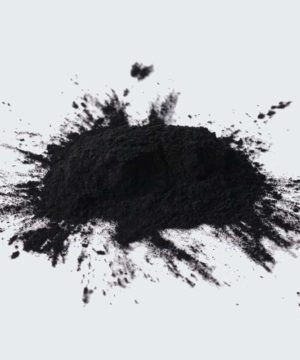
Iron oxides and mineral powders provide rich, opaque payoff with exceptional safety profiles. If you are creating mineral makeup for sensitive skin, using dedicated eye-safe mineral pigments is non-negotiable. Still, pigment alone cannot keep eyelid shine in check.
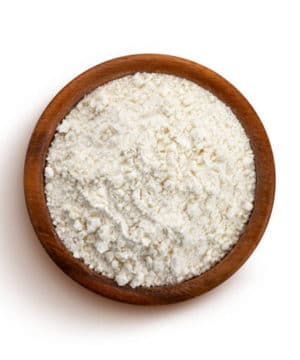
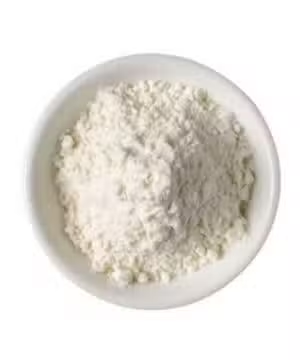
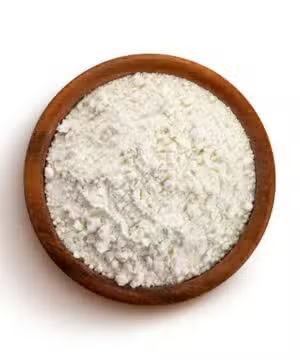
To prevent bleeding throughout the day, incorporate functional, oil-absorbing powders into your base. Ingredients such as kaolin clay, cosmetic-grade cornstarch, or silk and rice powders actively absorb sebum as it surfaces. This maintains a clean, velvet-matte finish and keeps pigments from bunching in the eyelid crease. Whether sourcing natural colorants or shimmering mica powder, always verify that the batch is specifically certified safe for the immediate eye area.
-
 €1.45 €165.25Price range: €1.75€1.45 through €199.95€165.25 incl. VAT inc. VATExcl. VATSelect options This product has multiple variants. The options may be chosen on the product page
 -
 €1.61 €22.52Price range: €1.95€1.61 through €27.25€22.52 incl. VAT inc. VATExcl. VATSelect options This product has multiple variants. The options may be chosen on the product page

Eye Area Hygiene and Safety
Because the ocular area is vulnerable to infection, proper sanitation during formulation cannot be overlooked. A few essential safety practices should guide every batch you make:
- Sanitize all mixing tools, bowls, glass beakers, and packaging components thoroughly with isopropyl alcohol (70% or higher) before starting.
- In anhydrous products (formulas made entirely of oils, butters, and waxes with no water content), microbial growth is unlikely, but keeping brushes and applicators clean between uses remains critical.
- Any formula containing water, floral hydrosols, or aloe vera requires a broad-spectrum cosmetic preservative. Water-based cosmetics without adequate preservation quickly turn into breeding grounds for bacteria and mold.
- Never share eye makeup, and discontinue use immediately if you experience irritation or an active infection.
- For safety and comfort, apply your eyeliner along the outer lash line rather than directly on the wet waterline.
At the end of the day, clean removal is just as important as wear-time. Consult our guide on making a natural makeup remover to discover how to dissolve long-wear pigments gently without stripping delicate skin.
Pro Application Techniques to Prevent Smudging
Even the most balanced formula can shift on naturally oily eyelids. Applying a few professional makeup artist techniques will help anchor your eyeliner for uninterrupted wear:
- Prep with an oil-free base: Start with a clean, dry eyelid. Learning to make a natural primer allows you to mattify the skin and create a uniform canvas before laying down color.
- Try the sandwich method: Lightly dust your lid with translucent powder, draw your eyeliner, and then seal the line once more.
- Set the line with powder: Take an angled detail brush, dip it into a matching mineral shadow or translucent setting powder, and press it directly over the freshly drawn liner. The powder immediately absorbs surface oils and locks the waxes in place.
- Lock it in with a setting spray: Knowing how to make a natural makeup setting spray gives you the power to set your full-face look with a light, protective barrier.
Ready to start formulating? Explore our DIY makeup starter kit for an all-in-one setup, or hand-pick individual raw materials and formulating additives to fine-tune your liner’s firmness, glide, and pigmentation to your exact preferences.


