
Have you ever scrutinized the fine print on the back of your favorite foundation bottle? Many commercial cosmetics are loaded with unpronounceable chemicals and occlusive agents that stop your skin from breathing naturally. Formulating your own makeup puts you firmly back in control: you decide precisely what touches your skin—and what stays out. Here is everything you need to know about crafting high-performance makeup with pure botanical ingredients and mineral pigments.

The Base: Plant Oils, Butters, and Waxes
Conventional makeup typically relies on mineral oil or petroleum jelly as a primary base. These petroleum byproducts sit on top of the skin as a suffocating barrier without delivering any real nourishment. Plant-based alternatives behave entirely differently: they suspend color pigments evenly while actively feeding and protecting the skin barrier.
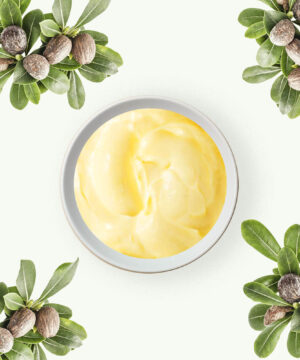
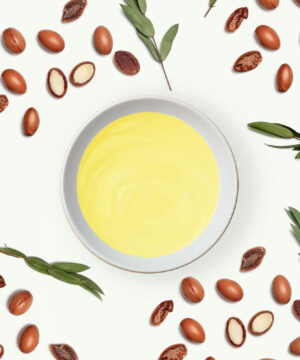
Castor oil is a time-tested staple for DIY lip gloss and mascara. Its rich, viscous texture lends high shine and leaves lashes and brows deeply conditioned. When you need solid structure for sticks and balms, shea butter is an unbeatable option—melting effortlessly on contact with the skin to soften dry patches. Lightweight oils such as jojoba oil and deodorized argan oil sink in rapidly without leaving a greasy film. Natural waxes, such as yellow beeswax, provide firm texture and lock in lasting moisture. Together, these raw ingredients form a reliable foundation for making your own lipstick. Browse our full selection of plant oils and butters to build the ideal base for your formula.
-
€4.92 €1,446.24Price range: €5.95€4.92 through €1,749.95€1,446.24 incl. VAT inc. VATExcl. VATSelect options This product has multiple variants. The options may be chosen on the product page
-
 €6.57 €2,851.20Price range: €7.95€6.57 through €3,449.95€2,851.20 incl. VAT inc. VATExcl. VATSelect options This product has multiple variants. The options may be chosen on the product page
 -
€10.96 €1,188.07Price range: €11.95€10.96 through €1,295.00€1,188.07 incl. VAT inc. VATExcl. VATSelect options This product has multiple variants. The options may be chosen on the product page
-
€2.64 €270.45Price range: €3.19€2.64 through €327.25€270.45 incl. VAT inc. VATExcl. VATSelect options This product has multiple variants. The options may be chosen on the product page
-
 €9.63 €247.66Price range: €10.50€9.63 through €269.95€247.66 incl. VAT inc. VATExcl. VATSelect options This product has multiple variants. The options may be chosen on the product page




Pigments and Colorants from Nature
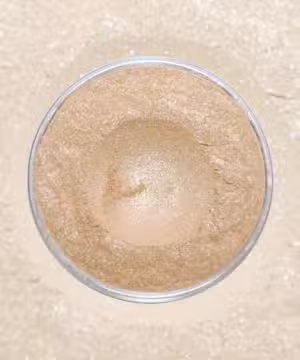
Makeup is all about color, but you do not need synthetic dyes to achieve vibrant results. Most natural cosmetics derive their rich shades from pure mineral pigments like mica and iron oxides. Mica adds an ethereal shimmer that scatters light beautifully, while iron oxides yield authentic skin tones ranging from soft yellows and warm terracottas to rich, deep browns.
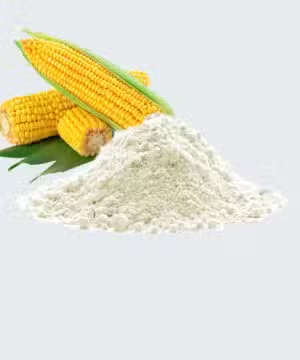
Botanical powders and cosmetic clays bring even greater versatility to your palette. Kaolin clay absorbs excess oil and creates a velvety, matte finish in setting powders. Madder root powder lends a delicate rosy flush to blushes and lip tints. Organic cornstarch serves as a featherlight powder base and an effective natural swap for talc. When mixing powdered formulas, always add pigments pinch by pinch; this gives you complete control over opacity and stops shades from turning overly dark or muddy. Read our guide to natural skin tones to master precise shade matching, or learn more about mineral makeup for sensitive skin. You can also discover our curated ranges of mineral mica powders, natural colorants, and cosmetic clays.
-
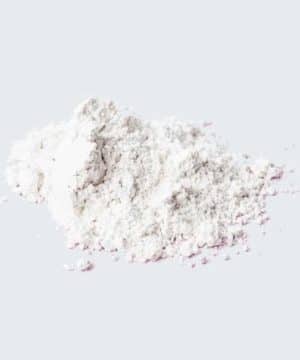 €0.79 €247.89Price range: €0.95€0.79 through €299.95€247.89 incl. VAT inc. VATExcl. VATSelect options This product has multiple variants. The options may be chosen on the product page
 -
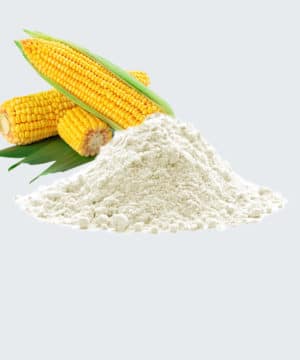 €1.61 €33.02Price range: €1.95€1.61 through €39.95€33.02 incl. VAT inc. VATExcl. VATSelect options This product has multiple variants. The options may be chosen on the product page
 -
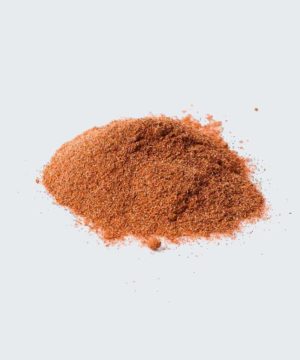 €1.31 €8.12Price range: €1.59€1.31 through €9.82€8.12 incl. VAT inc. VATExcl. VATSelect options This product has multiple variants. The options may be chosen on the product page
 -
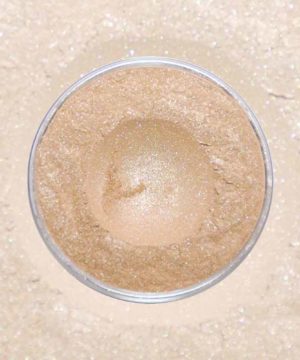 €1.61 €22.52Price range: €1.95€1.61 through €27.25€22.52 incl. VAT inc. VATExcl. VATSelect options This product has multiple variants. The options may be chosen on the product page


Hydration, Texture, and Emulsifiers
Great makeup should wear comfortably from morning to night without feeling tight, dry, or chalky. Hydrating ingredients give your products that smooth, supple slip. Glycerin acts as a powerful humectant, drawing moisture from the air to keep foundations from settling into fine lines—just keep your concentrations low to avoid any stickiness.
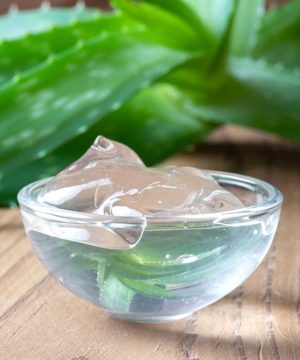
An aloe vera gel base provides an instant cooling, soothing carrier for liquid foundations, gel blushes, and lightweight primers. When blending water- and oil-based ingredients into a tinted moisturizer or BB cream, you will need a gentle, plant-derived emulsifier like cetyl alcohol or Montanov 68 to bind them into a silky, stable emulsion. Our tutorial on making natural foundation at home walks you through balancing an emulsion-based recipe from scratch. You can also explore our broader introduction to how to make cosmetics at home.
-
 €4.09 €206.61Price range: €4.95€4.09 through €250.00€206.61 incl. VAT inc. VATExcl. VATSelect options This product has multiple variants. The options may be chosen on the product page
Ingredients to Avoid
Formulating your own cosmetics gives you the freedom to steer clear of problematic fillers and irritants entirely. Watch out for:
- Parabens: Synthetic preservatives linked to potential endocrine disruption.
- Synthetic fragrances: Blanket label terms that frequently hide allergens and contact irritants.
- Silicones (such as dimethicone): Compounds that coat the skin in a non-breathable layer and resist natural biodegradation.
- Contaminated pigments and heavy metals: Low-grade mineral powders that may contain trace amounts of lead, arsenic, or cadmium.
- Traditional kohl or kajal recipes: Unregulated formulations that often carry hazardous levels of lead and should never be used around the eyes.
Always source your cosmetic ingredients from reputable suppliers who provide full technical documentation and certificates of analysis. To dig deeper, read our guides on conscious choices with non-toxic makeup and the EU safety assessment for foundations.
The Importance of Safe Preservation
There is a widespread misconception that natural makeup never requires a preservative. While waterless (anhydrous) formulas like balms and powder blushes do not support microbial growth, they still require an antioxidant—such as vitamin E—to keep delicate plant oils from oxidizing and turning rancid.
The moment you introduce water, hydrosols, or aloe vera juice into a recipe—as with liquid foundations, setting sprays, and cream mascaras—you create a breeding ground for bacteria, yeast, and mold. Using contaminated products around your eyes and face poses real health risks. Always incorporate a reliable, broad-spectrum preservative (such as a blend of sodium benzoate and potassium sorbate) into water-based formulations. Working in a sanitized environment with distilled water will keep your creations clean and long-lasting. For more storage strategies, consult our guide on how to store homemade cosmetics safely.
Getting Started with Safe Cosmetics
Making your own beauty products gives you the power to cater to your skin’s unique preferences, tone, and sensitivities. Begin with small test batches, and introduce new raw materials one at a time. If you prefer plant-only formulations, take a look at our guides to vegan makeup ingredients and vegan alternatives in cosmetics.
Ready to start experimenting? Learn how to assemble your own DIY makeup starter kit and discover skin-loving raw materials in our comprehensive cosmetics collection.


