
Did you know that coconut oil can reduce skin moisture loss by nearly 37 percent? For handmade skincare formulators, it is an indispensable studio staple—yet not all varieties behave the same way in a formula. Deciding between a firm, unrefined butter and a lightweight liquid MCT oil directly shapes the texture, glide, and absorption of your balms, soaps, and lotions. With high-quality ingredients from our range of oils and butters, formulating professional-grade skincare at home is both accessible and deeply rewarding.
Why Coconut Oil Works for Skin
Coconut oil is exceptionally rich in saturated fatty acids, predominantly lauric acid. Thanks to its natural antimicrobial and antibacterial properties, lauric acid helps keep the skin clean, balanced, and clear. Applied topically, coconut oil acts as an occlusive barrier that locks in moisture, quickly soothing tightness and smoothing rough, chapped patches. Head over to our oil and butter knowledge base to learn how different botanical fats behave across various cosmetic applications.
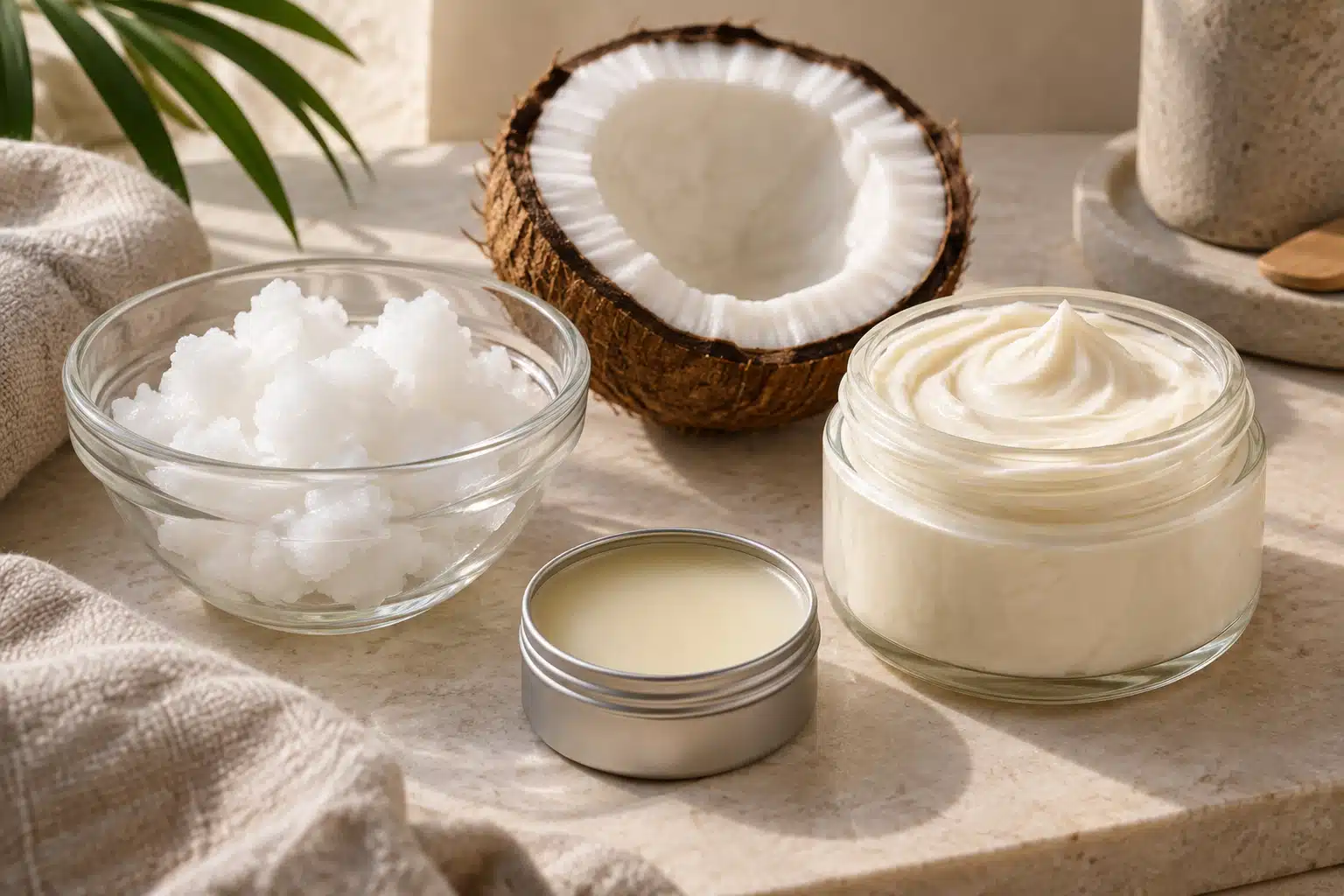
Organic, unrefined virgin coconut oil is cold-pressed from fresh coconut meat, preserving its characteristic tropical scent and nutrient profile. With a melting point between 24 and 26 degrees Celsius, it remains a firm solid at cooler room temperatures but melts effortlessly on contact with warm skin.
-
 €2.44 €190.04Price range: €2.95€2.44 through €229.95€190.04 incl. VAT inc. VATExcl. VATSelect options This product has multiple variants. The options may be chosen on the product page
Skin Types and Safe Formulation Practices
Skin needs vary dramatically from person to person. Ranking at a 4 on the 5-point comedogenic scale, pure coconut oil can easily clog pores on oily or acne-prone complexions. For facial care, it is best used sparingly in leave-on treatments, or formulated into saponified rinse-off products such as a gentle cleansing bar.
For dry, mature, or barrier-compromised skin, however, its dense lipid profile offers deeply restorative nourishment and weather protection. Searching for complementary ingredients to replenish dry skin? Discover how to incorporate shea butter for skin into rich salves, or read up on using tallow moisturizer for intensive care.
Whenever you create a new recipe, always perform a patch test before regular use. Dab a small amount onto your inner forearm or the crook of your elbow twice daily for 7 to 10 days. If redness, itching, or irritation develops, wash the area thoroughly and discontinue use.

Working with Coconut Oil in DIY Recipes
When formulating your own products, you have complete control over the final feel and consistency. Because coconut oil transitions smoothly from a solid to a liquid at body heat, it makes an ideal base for salves, lip care, and whipped body butters.
- Lip balms: Pair coconut oil with beeswax or carnauba wax alongside a softer butter to create a glossy finish with plenty of structural hold.
- Body butters: Gently melt it with shea or cocoa butter, chill the blend until semi-solid, and whip it into an airy, cloud-like cream.
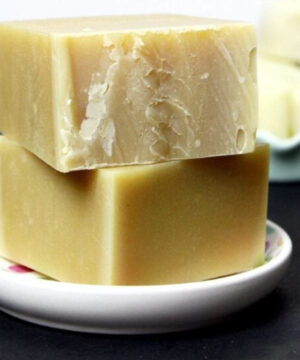
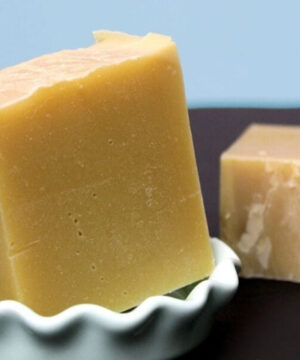
- Soaps: In cold-process soapmaking, coconut oil contributes to a hard bar with abundant, fluffy lather and impressive cleansing power; it can also be incorporated seamlessly into melt-and-pour bases.
Looking for dependable recipes and raw materials to get started right away? Browse our curated selection of tested formulas and ingredients.


Getting Started with Your Formulations
Whether you prefer the rich, natural aroma of unrefined virgin coconut oil or the silky, fast-absorbing feel of fractionated liquid coconut oil, both provide a versatile canvas for your creations. Blend them with your favorite cosmetic waxes, plant butters, and pure essential oils to develop customized skincare suited to your skin’s unique needs. For gentle cleansing ideas, take a look at our guide to making soap for dry skin. Pick up your raw ingredients in the shop today and bring your next formulation project to life.


