
Ever experienced that uncomfortable, tight, or itchy sensation immediately after showering? Many commercial soaps rely on harsh synthetic detergents that strip away the skin’s natural oils. The beauty of making your own soap is the ability to take full control of the formula, ensuring every bar is as nourishing and gentle as your skin requires. In this guide, we’ll explore recipes featuring soothing oatmeal, rich olive oil, and decadent butters specifically designed to restore suppleness and hydration.
Why Dry Skin Needs a Specialized Blend
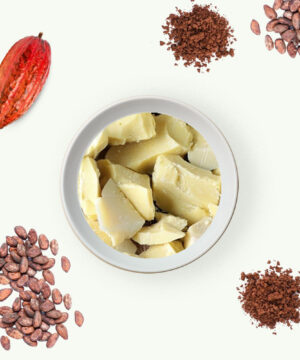
Dry skin lacks the essential lipids needed to retain moisture effectively. In the craft of soapmaking, we prioritize “conditioning” ingredients to protect these lipids. Olive oil is a fundamental choice for dry skin, as its high oleic acid content provides deep hydration. Organic deodorized cocoa butter is another excellent addition, creating a breathable protective barrier that locks in moisture.
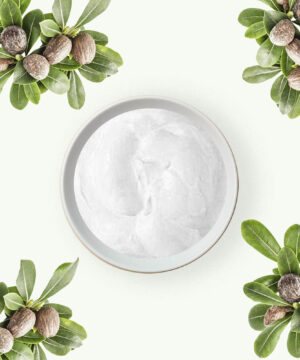
Oatmeal is a time-tested staple for sensitive and irritated skin. It acts as a soothing agent, helping to calm inflammation. For the best results in soap, use colloidal oatmeal or very finely ground oats to provide a silky feel and extremely mild exfoliation. Incorporating refined shea butter further reinforces the skin barrier, offering extra protection against the elements.
-
€12.40 €537.15Price range: €15.00€12.40 through €649.95€537.15 incl. VAT inc. VATExcl. VATSelect options This product has multiple variants. The options may be chosen on the product page
-
€6.87 €247.66Price range: €7.49€6.87 through €269.95€247.66 incl. VAT inc. VATExcl. VATSelect options This product has multiple variants. The options may be chosen on the product page

The Art of Superfatting
When using the cold process method, you have the opportunity to “superfat” your soap. This involves adding a surplus of oils that remain unconverted by the lye. While a 5% superfat is standard for balanced skin, a recipe for dry skin can be increased to 8%. This ensures that extra, unreacted oils remain in the finished bar, directly nourishing the skin during the cleansing process. You can explore the technical side of this further on our page about superfatting in soap.
Balancing Conditioning and Cleansing Oils
A successful recipe for dry skin requires a careful balance of fatty acids. While coconut oil is prized for its big bubbles and deep cleansing power, it can be overly stripping in high concentrations. For dry skin, it is best to keep coconut oil below 25% of your total oil blend. Instead, build your base with nourishing oils and butters, such as avocado oil. Natural grass-fed tallow is another traditional favorite; it produces a creamy, mild lather and closely mimics the natural fats found in human skin.
-
€6.20 €5,289.26Price range: €7.50€6.20 through €6,400.00€5,289.26 incl. VAT inc. VATExcl. VATSelect options This product has multiple variants. The options may be chosen on the product page
-
 €1.86 €181.78Price range: €2.25€1.86 through €219.95€181.78 incl. VAT inc. VATExcl. VATSelect options This product has multiple variants. The options may be chosen on the product page


Recipe: Oatmeal and Cocoa Butter Cold Process Soap
This recipe yields approximately 1 kilogram of soap. It produces a hard, durable bar with a luxurious, velvety feel.
Ingredients:
- 400g Olive oil
- 200g Cocoa butter
- 100g Oat oil (or additional olive oil)
- 94g Shea butter
- 136g Sodium hydroxide (NaOH)
- 281g Distilled water
- 2 tbsp Finely ground oatmeal
Instructions:
First, equip yourself with safety goggles and gloves. Always add the lye to the water (never the reverse) in a well-ventilated area to avoid dangerous splashes or fumes. While the lye solution cools, melt your butters and combine them with the liquid oils. Ensure both the oils and the lye solution are between 37°C and 43°C (100–110°F) before mixing. Pour the lye into the oils and use a stick blender until you reach a light “trace”—the point where the mixture thickens to the consistency of thin pudding. Stir in the oatmeal by hand, then pour the batter into your mold. Allow the soap to set for 24 to 48 hours before unmolding and slicing. Finally, let the bars cure in a cool, dry place for 4 to 6 weeks to ensure a mild, long-lasting bar.
Melt and Pour: A Beginner-Friendly Alternative
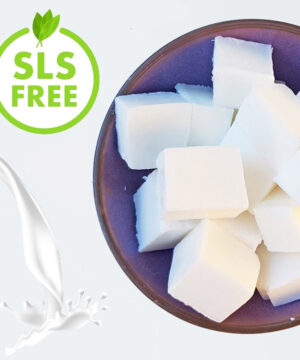
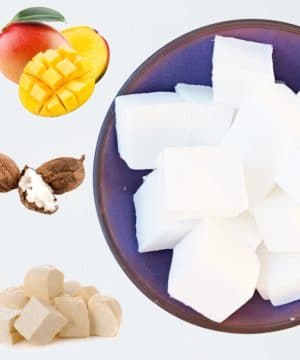
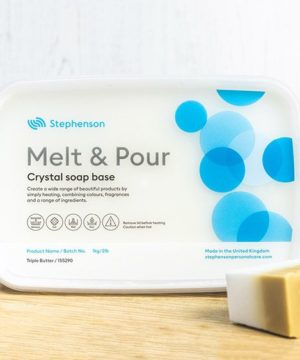
If you prefer to avoid working with lye or want a faster project, melt and pour soap making is a fantastic alternative. You can choose pre-made bases specifically formulated for hydration, such as a goat milk soap base or a triple butter soap base. Goat milk is particularly beneficial as it contains lactic acid for gentle renewal and fats for deep hydration.
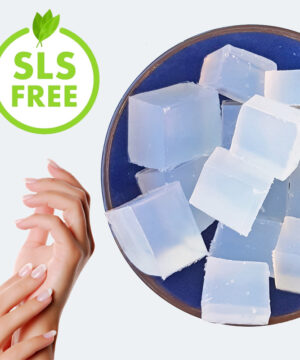
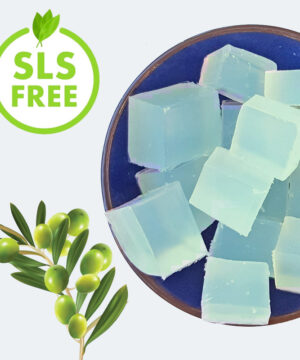
When selecting a base, look for “SLS-free” options. Sodium Lauryl Sulfate is a foaming agent that can cause irritation for those with sensitive skin. Choosing an SLS-free base ensures your soap remains kind to your skin barrier.
-
 €7.85 €247.89Price range: €9.50€7.85 through €299.95€247.89 incl. VAT inc. VATExcl. VATSelect options This product has multiple variants. The options may be chosen on the product page
 -
€8.22 €49.13Price range: €9.95€8.22 through €59.45€49.13 incl. VAT inc. VATExcl. VATNotify me when in stock This product has multiple variants. The options may be chosen on the product page
-
 €9.71 €115.66Price range: €11.75€9.71 through €139.95€115.66 incl. VAT inc. VATExcl. VATSelect options This product has multiple variants. The options may be chosen on the product page


Best Practices for Storing Natural Soap
Handmade soap is naturally rich in vegetable glycerin, a humectant that draws moisture from the air. To prevent your soap from becoming soft, always allow the bar to dry completely between uses by using a draining soap dish. For more tips on maintaining the quality of your handmade batches, visit our guide on storing soap and shelf life.
Gentle Additives and Scents for Sensitive Skin
If your skin is extremely dry or prone to eczema, consider leaving your soap unscented. Fragrance oils are a common source of skin irritation. If you do choose to add a scent, keep the usage rate low and select oils formulated for sensitive skin. Natural colorants and powders, such as cosmetic clays, can add beautiful earthy tones and gentle minerals without drying out the skin. You can find everything needed for DIY soap making through specialized suppliers.
-
€8.22 €49.13Price range: €9.95€8.22 through €59.45€49.13 incl. VAT inc. VATExcl. VATSelect options This product has multiple variants. The options may be chosen on the product page
-
 €9.71 €57.81Price range: €11.75€9.71 through €69.95€57.81 incl. VAT inc. VATExcl. VATSelect options This product has multiple variants. The options may be chosen on the product page


Crafting your own soap is more than just a creative hobby; it is an act of self-care. By selecting rich butters and mild oils, you transform a daily necessity into a ritual that supports and replenishes your skin. Start with a simple recipe and discover the perfect blend for your skin’s unique needs.


