
Would you rather smell like a freshly gathered bouquet or a clinical chemistry lab? Creating your own perfume gives you complete control over what you apply to your skin, replacing vague synthetic ingredient lists with the purity of botanical extracts. While the process may seem like a complex scientific endeavor, it is remarkably accessible once you master the basic ratios. Here is how to blend essential oils into a harmonious fragrance that truly reflects your personality.

The Fragrance Pyramid: Your Foundation for Blending
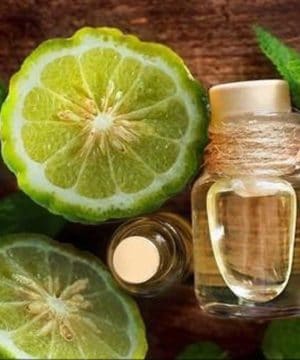
Understanding the fragrance pyramid is the first step toward achieving professional results. A high-quality perfume is built in three layers, each evaporating at a different rate. Top notes provide the first impression but typically fade within fifteen minutes. These are usually light, bright aromas like lemon or bergamot that greet you immediately upon application.
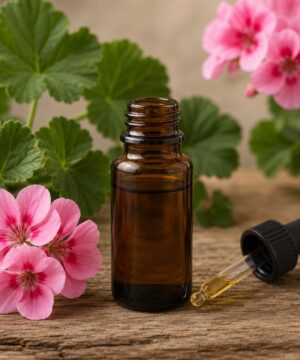
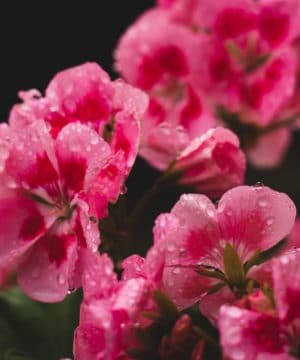
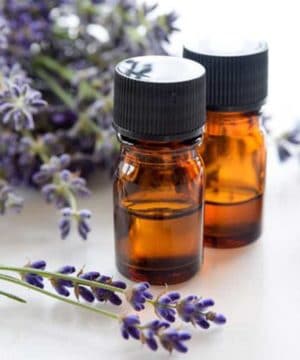
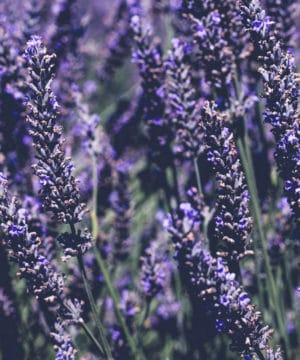
Heart notes (or middle notes) form the core of the fragrance and linger for several hours. Florals such as lavender or geranium are classic choices for this layer. Finally, base notes provide the foundation, often remaining noticeable for days. Woody scents like cedarwood or rich vanilla give your perfume its depth and staying power. For a balanced blend, a good rule of thumb is the 30/50/20 rule: 30% top notes, 50% heart notes, and 20% base notes.
-
 €3.26 €495.83Price range: €3.95€3.26 through €599.95€495.83 incl. VAT inc. VATExcl. VATSelect options This product has multiple variants. The options may be chosen on the product page
 -
 €6.57 €1,322.27Price range: €7.95€6.57 through €1,599.95€1,322.27 incl. VAT inc. VATExcl. VATSelect options This product has multiple variants. The options may be chosen on the product page
 -
 €3.26 €495.83Price range: €3.95€3.26 through €599.95€495.83 incl. VAT inc. VATExcl. VATSelect options This product has multiple variants. The options may be chosen on the product page


Choosing Your Carrier: Alcohol or Oil?
Before you begin blending, you must choose a carrier. The most common format is an alcohol-based spray. For this, you should use a specialized perfume base with a high ethanol content. This allows the fragrance molecules to evaporate quickly, dispersing the scent into the air the moment it is sprayed. However, keep in mind that frequent alcohol use can be drying for some skin types.
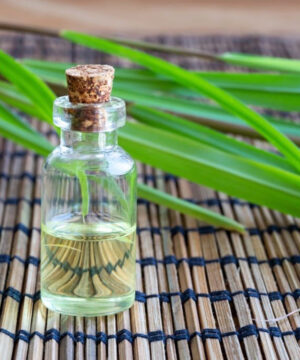
If you have sensitive skin or prefer a more intimate, subtle scent, a perfume oil is an excellent alternative. In this method, you dilute your essential oils in an odorless carrier oil, such as organic jojoba. Technically a liquid wax, jojoba is skin-compatible and has a long shelf life. This mixture can be easily applied to pulse points using a rollerball. If you are looking for something different, you can also make a solid perfume by blending oils with beeswax and botanical butters to create a portable fragrance balm.
-
 €4.09 €826.45Price range: €4.95€4.09 through €1,000.00€826.45 incl. VAT inc. VATExcl. VATSelect options This product has multiple variants. The options may be chosen on the product page
 -

 €6.57 €2,851.20Price range: €7.95€6.57 through €3,449.95€2,851.20 incl. VAT inc. VATExcl. VATSelect options This product has multiple variants. The options may be chosen on the product page
 -
 €7.40 €1,900.83Price range: €8.95€7.40 through €2,300.00€1,900.83 incl. VAT inc. VATExcl. VATSelect options This product has multiple variants. The options may be chosen on the product page


A Simple Recipe for Your First Blend
Starting your first formulation doesn’t have to be daunting. For a 10 ml rollerball, begin with your essential oils and fill the remainder of the bottle with your carrier oil. Aim for a total of 15 to 20 drops of essential oil for an ideal concentration.
- 6 drops bergamot (top note)
- 10 drops lavender (heart note)
- 4 drops cedarwood or sandalwood (base note)
Mix the drops in a small glass dish or directly into your perfume bottle. Test the aroma to see if the balance suits your preference. To increase the longevity of the scent, consider adding a fixative like dipropylene glycol (DPG). This helps “anchor” volatile fragrance molecules to the skin without altering the scent profile.
-
 €2.44 €198.31Price range: €2.95€2.44 through €239.95€198.31 incl. VAT inc. VATExcl. VATSelect options This product has multiple variants. The options may be chosen on the product page
 -
 €10.70 €710.70Price range: €12.95€10.70 through €859.95€710.70 incl. VAT inc. VATExcl. VATSelect options This product has multiple variants. The options may be chosen on the product page
 -
 €4.92 €371.86Price range: €5.95€4.92 through €449.95€371.86 incl. VAT inc. VATExcl. VATSelect options This product has multiple variants. The options may be chosen on the product page
 -
 €6.57 €991.69Price range: €7.95€6.57 through €1,199.95€991.69 incl. VAT inc. VATExcl. VATSelect options This product has multiple variants. The options may be chosen on the product page


Safety and Sun Exposure
Working with natural ingredients does not mean they are inherently risk-free. Some essential oils—particularly citrus oils like bergamot and lemon—are phototoxic. This means they can cause skin irritation or discoloration when the treated skin is exposed to UV rays. Use these oils sparingly in products intended for skin that sees direct sunlight.
Always perform a patch test before using a new creation. Apply a small amount of the diluted perfume to the inside of your elbow and wait 24 hours to ensure no redness or itching occurs. Finally, always adhere to safe concentration and dilution guidelines; for an Eau de Parfum, this is typically between 15% and 20%.
-
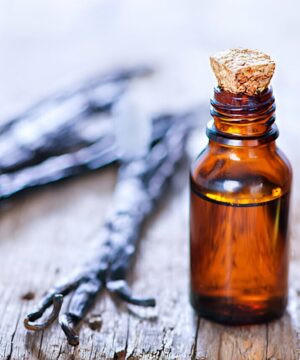 €8.22 €6,611.57Price range: €9.95€8.22 through €8,000.00€6,611.57 incl. VAT inc. VATExcl. VATSelect options This product has multiple variants. The options may be chosen on the product page
 -
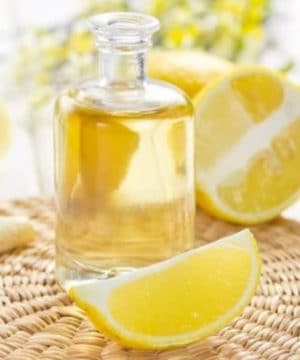 €3.26 €347.07Price range: €3.95€3.26 through €419.95€347.07 incl. VAT inc. VATExcl. VATSelect options This product has multiple variants. The options may be chosen on the product page


The Art of Maceration: Why Patience Pays Off
Once you have mixed your ingredients, it may be tempting to wear it immediately. However, a fragrance needs time to “mature,” a process known as maceration. During this resting period, the various notes fuse together into a singular, harmonious scent. To preserve the quality of the oils, store your bottle in a cool, dark place. Storing DIY perfume in a bathroom is generally discouraged due to the constant fluctuations in temperature and humidity.
Let your mixture sit for at least 48 hours, though two to four weeks is ideal for the best results. You will find that the scent becomes much smoother and more “complete” than it was immediately after mixing. Check the progress occasionally and keep a logbook of your recipes and adjustments. This systematic approach will help you refine your skills as you develop your signature scent.
Ready to start your olfactory journey? Explore our perfume making category to find the perfect ingredients for your next creation.


