
Discover how cold process soap works. Learn about the chemical reaction between lye and oils, the saponification process, and curing for a mild, gentle result.
Discover how cold process soap works. Learn about the chemical reaction between lye and oils, the saponification process, and curing for a mild, gentle result.
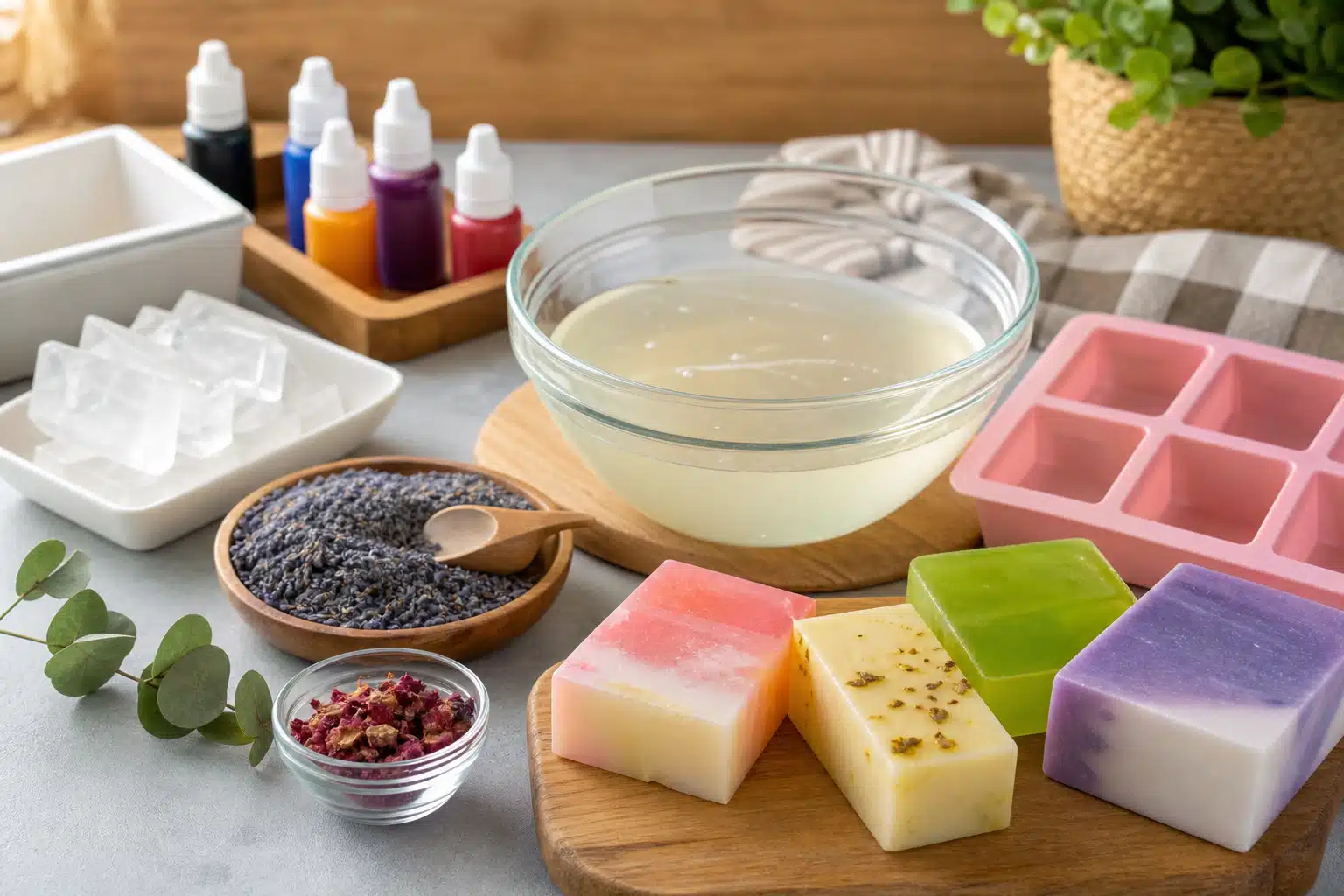
Discover the best melt and pour soap bases for your DIY projects. Choose from transparent, white, and nourishing shea butter. Easily make soap without lye.
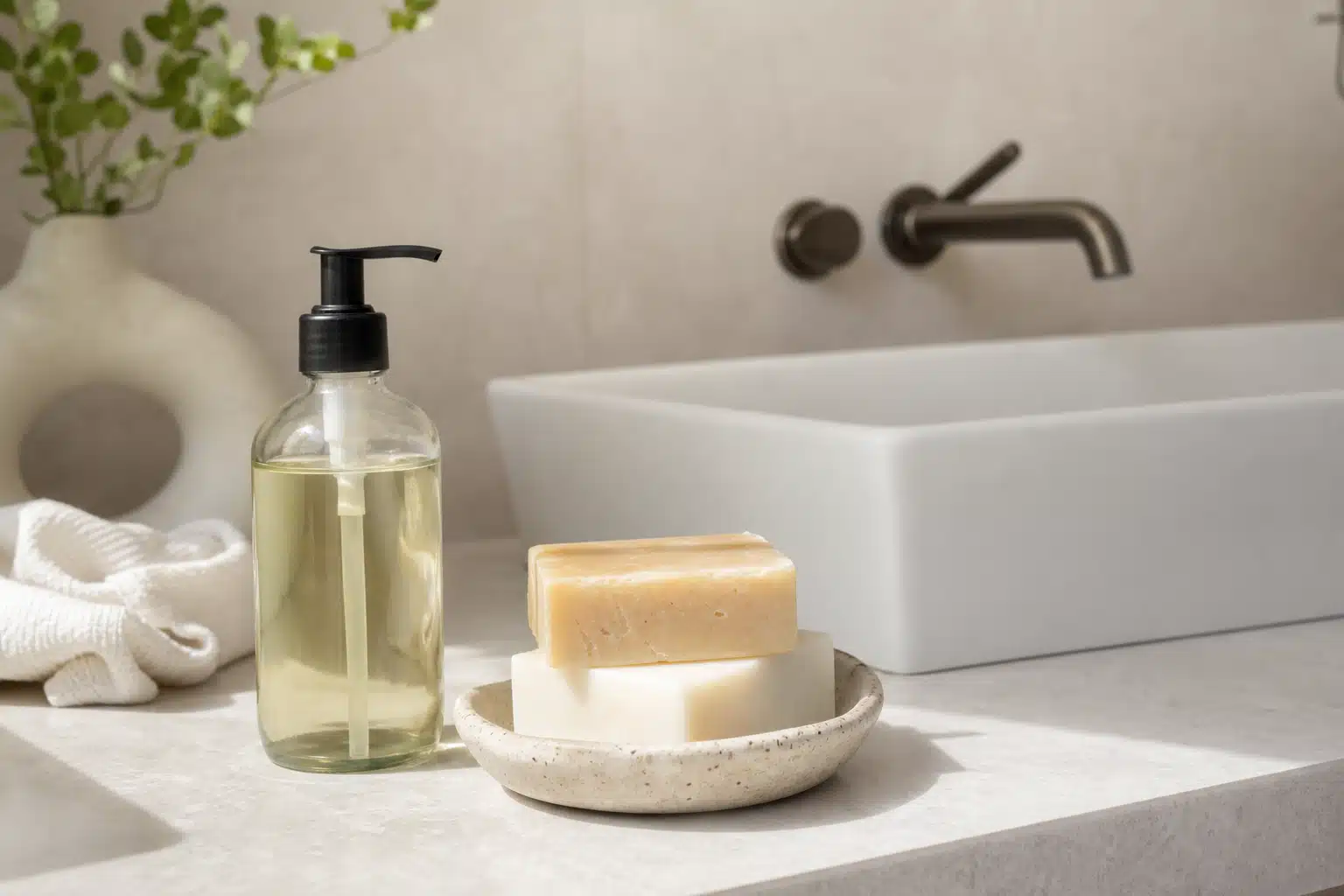
Learn how to make pH-neutral soap to protect your skin’s natural barrier. Discover syndet bars, liquid bases, and essential techniques for measuring pH levels.
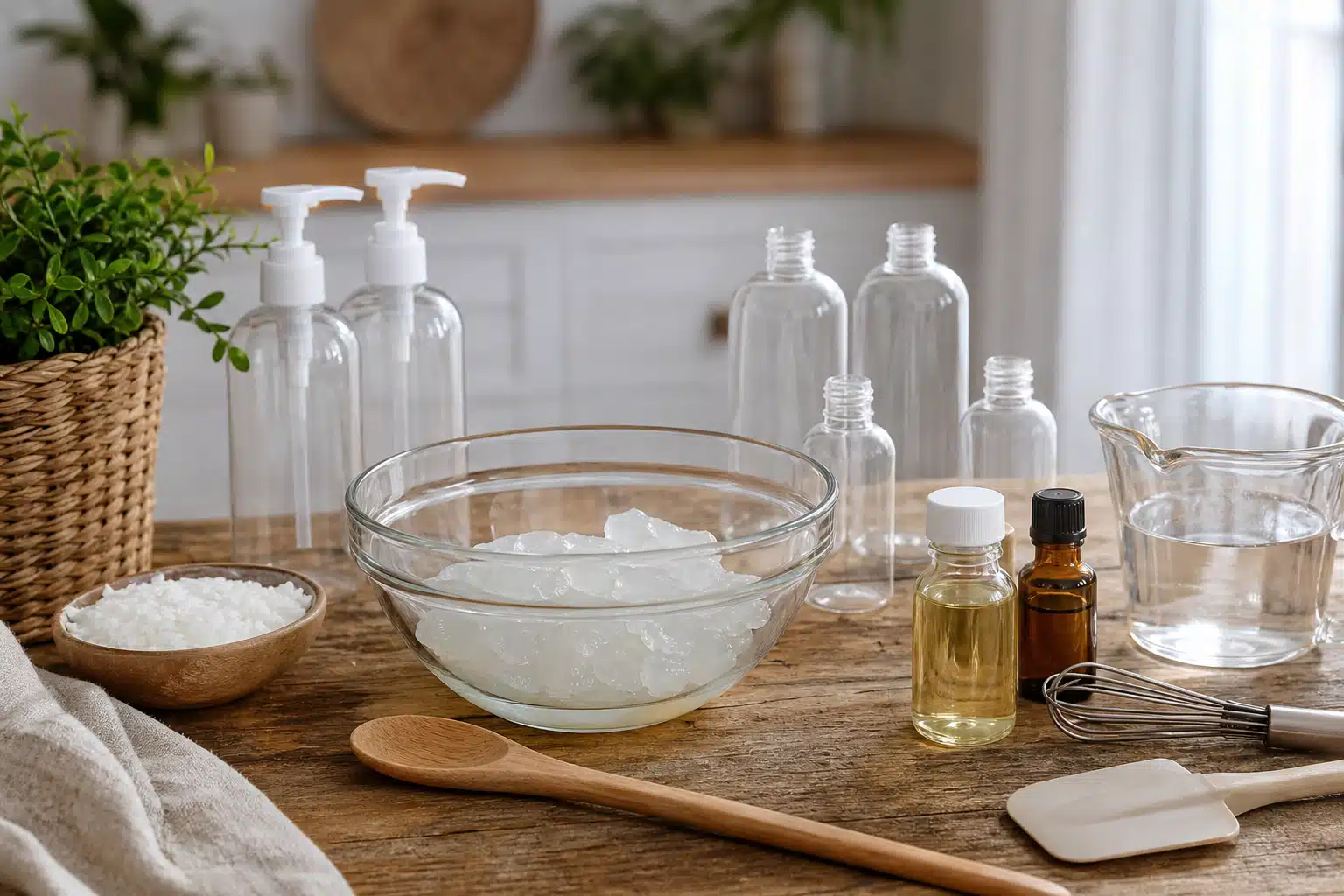
Learn to make liquid soap using ready-to-use bases or custom formulations. Discover surfactants, thickening techniques, scents, and traditional lye methods.
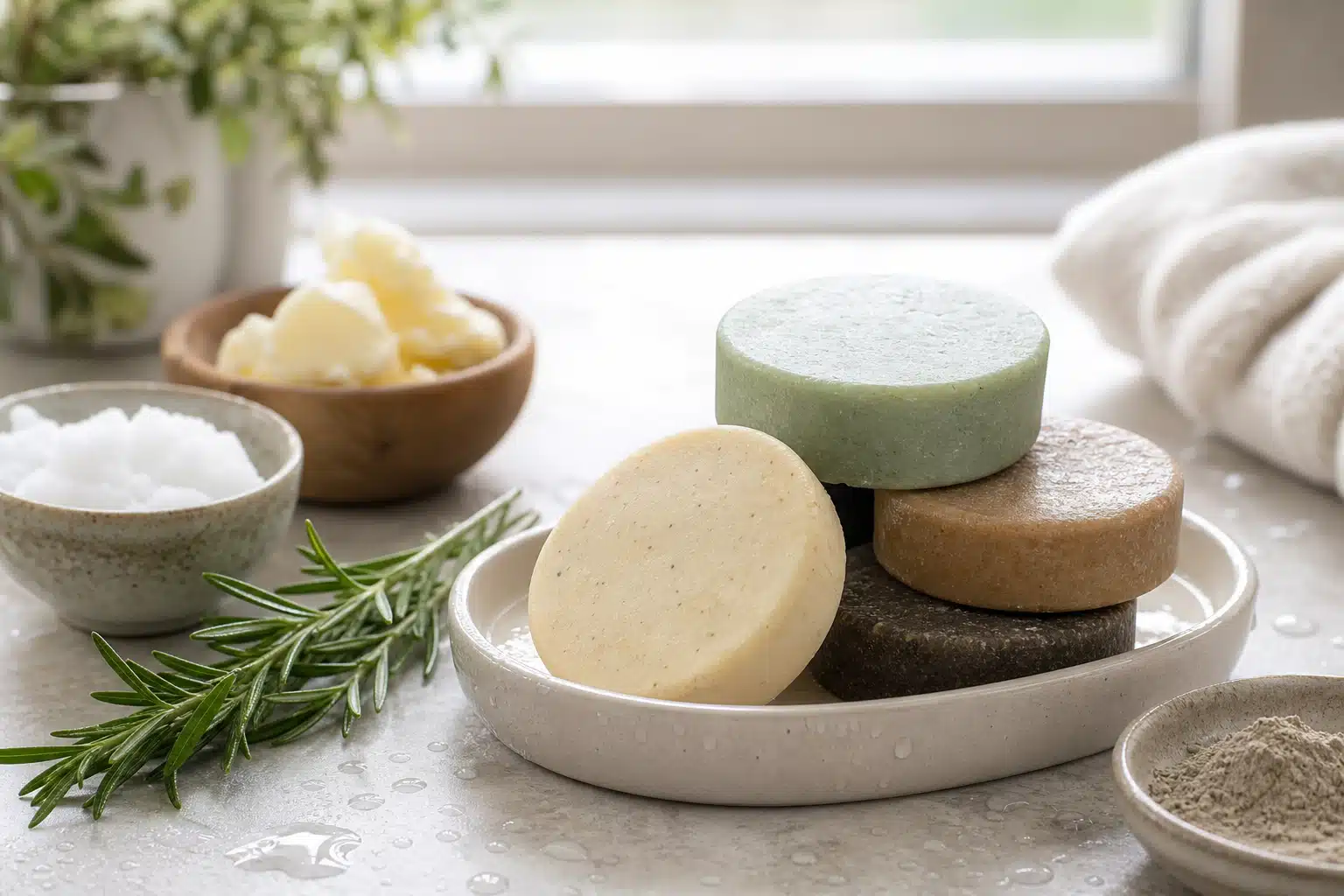
Learn how to make your own shampoo bars with ingredients like SCI and shea butter. This guide covers pH-balanced recipes for a mild, shiny, and healthy result.

Learn how to use mica powder safely for vibrant, shimmering soap colors. Discover expert tips for melt and pour, cold process, mixing techniques, and ethical

Learn how to test the pH of handmade soap for safety and quality. Use pH strips or a meter to ensure your soap falls within the ideal range of 8 to 10.

Making your own soap at home is one of those hobbies that starts small and then grows into a very…
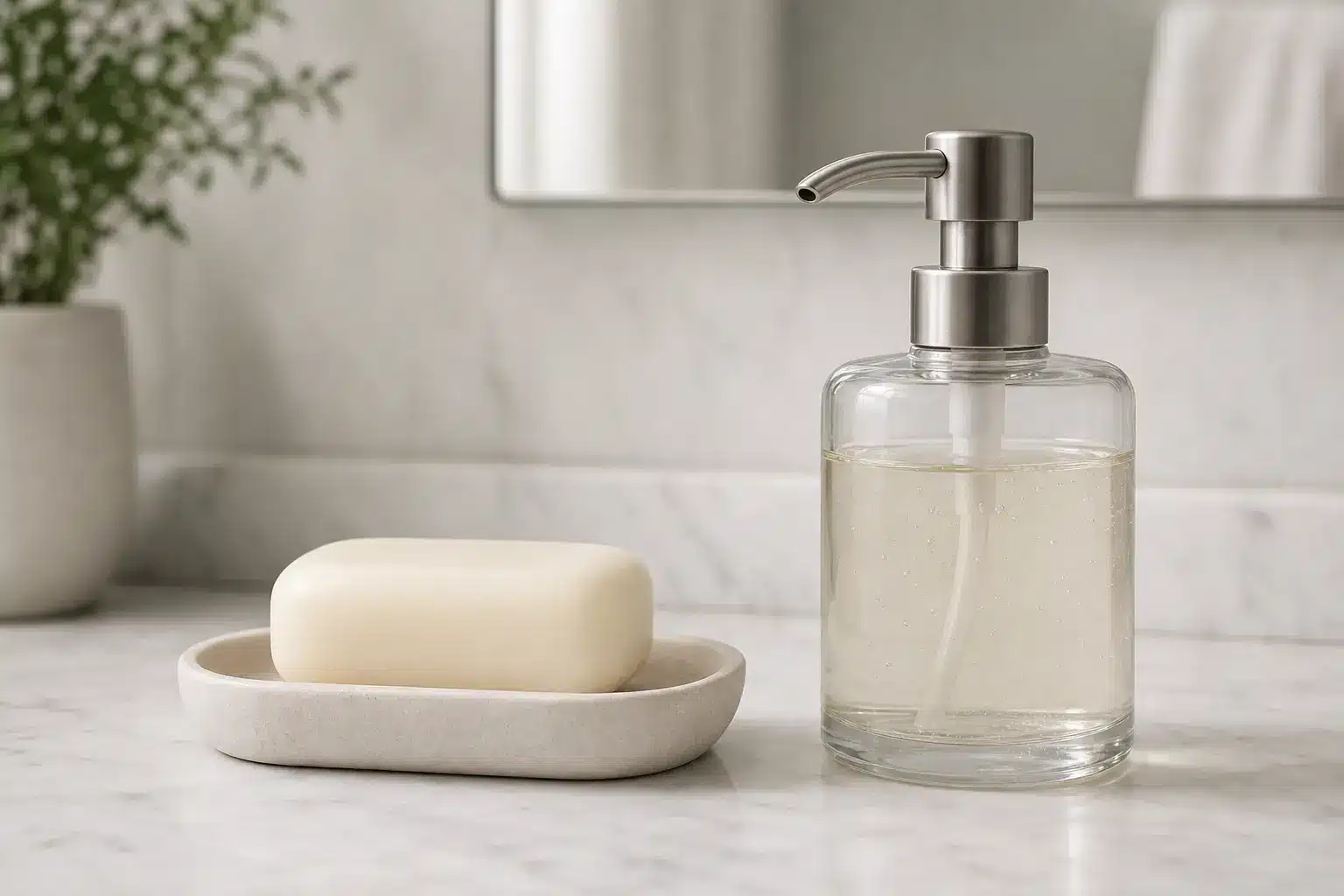
Compare liquid and bar soap to find the best choice for your skin and the planet. Explore hygiene and cost factors, and learn to make your own soap at home.
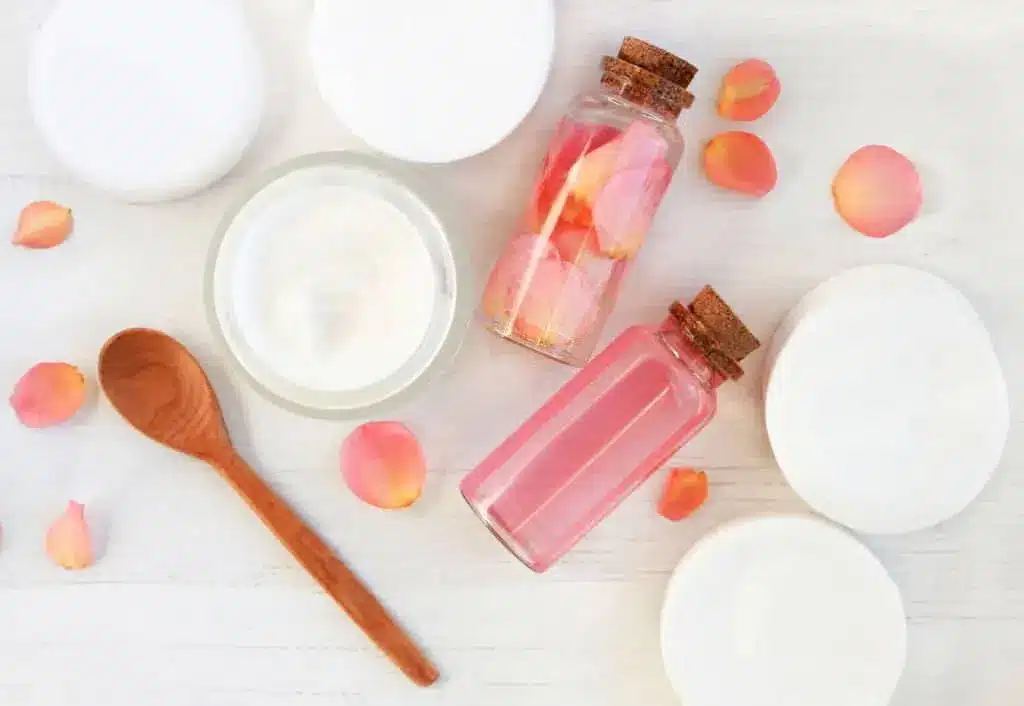
What is a hydrosol? Discover the benefits of these natural botanical waters for your DIY skincare and soap projects and how they differ from essential oils.


