
Learn how to test the pH of handmade soap for safety and quality. Use pH strips or a meter to ensure your soap falls within the ideal range of 8 to 10.

Learn how to test the pH of handmade soap for safety and quality. Use pH strips or a meter to ensure your soap falls within the ideal range of 8 to 10.

Making your own soap at home is one of those hobbies that starts small and then grows into a very…
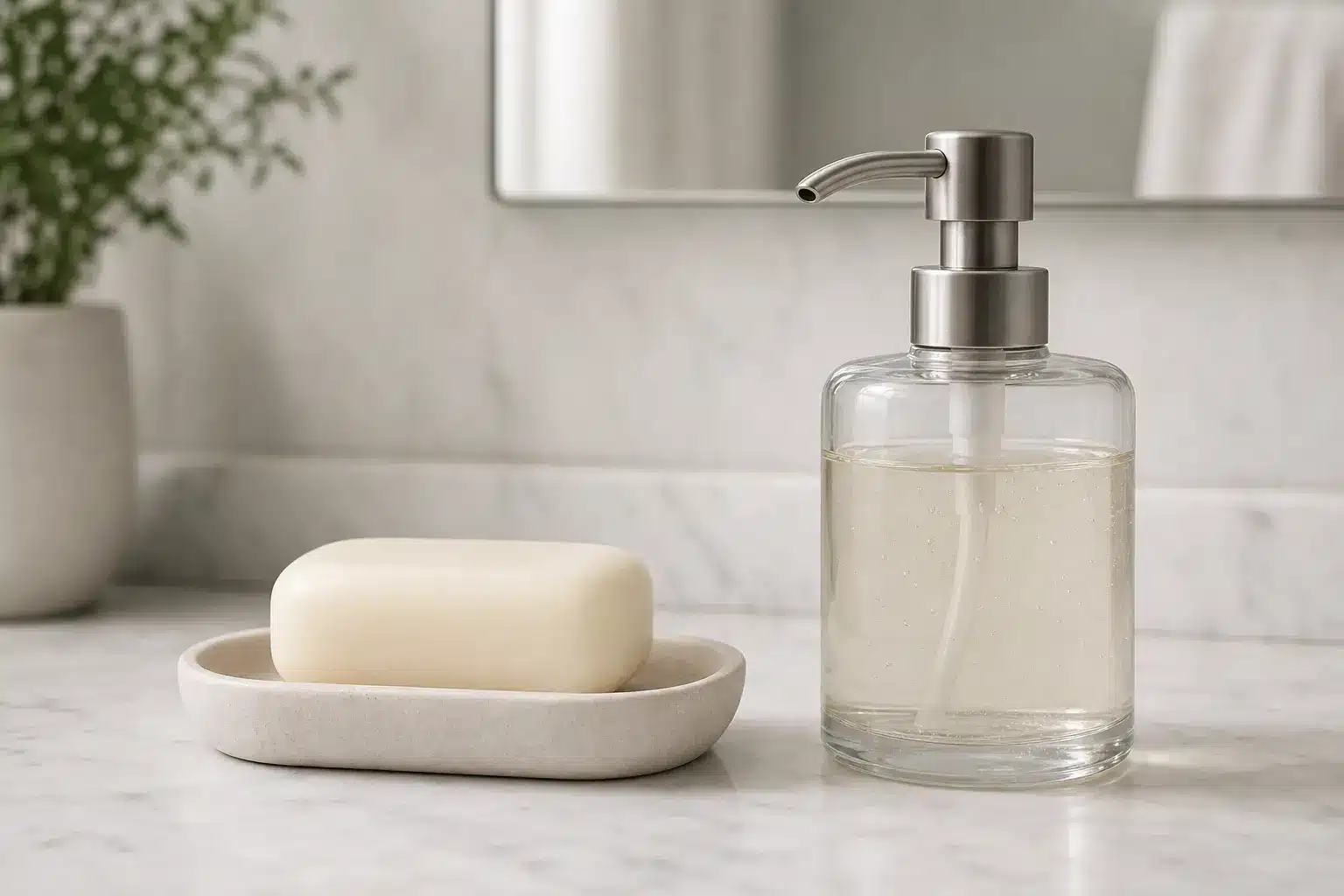
Compare liquid and bar soap to find the best choice for your skin and the planet. Explore hygiene and cost factors, and learn to make your own soap at home.
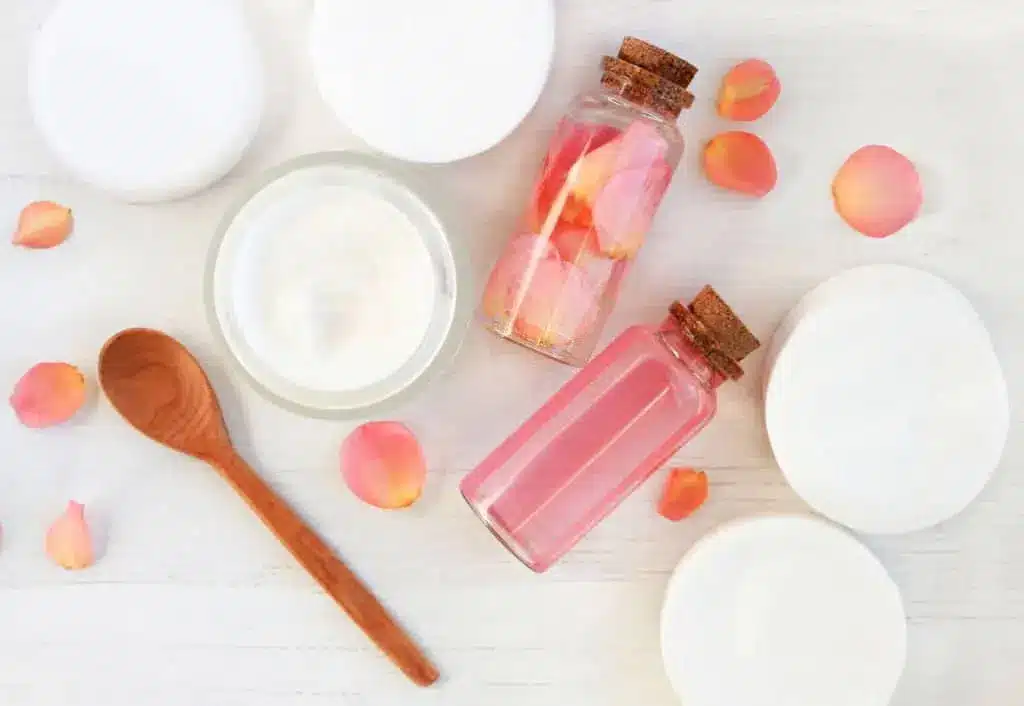
What is a hydrosol? Discover the benefits of these natural botanical waters for your DIY skincare and soap projects and how they differ from essential oils.
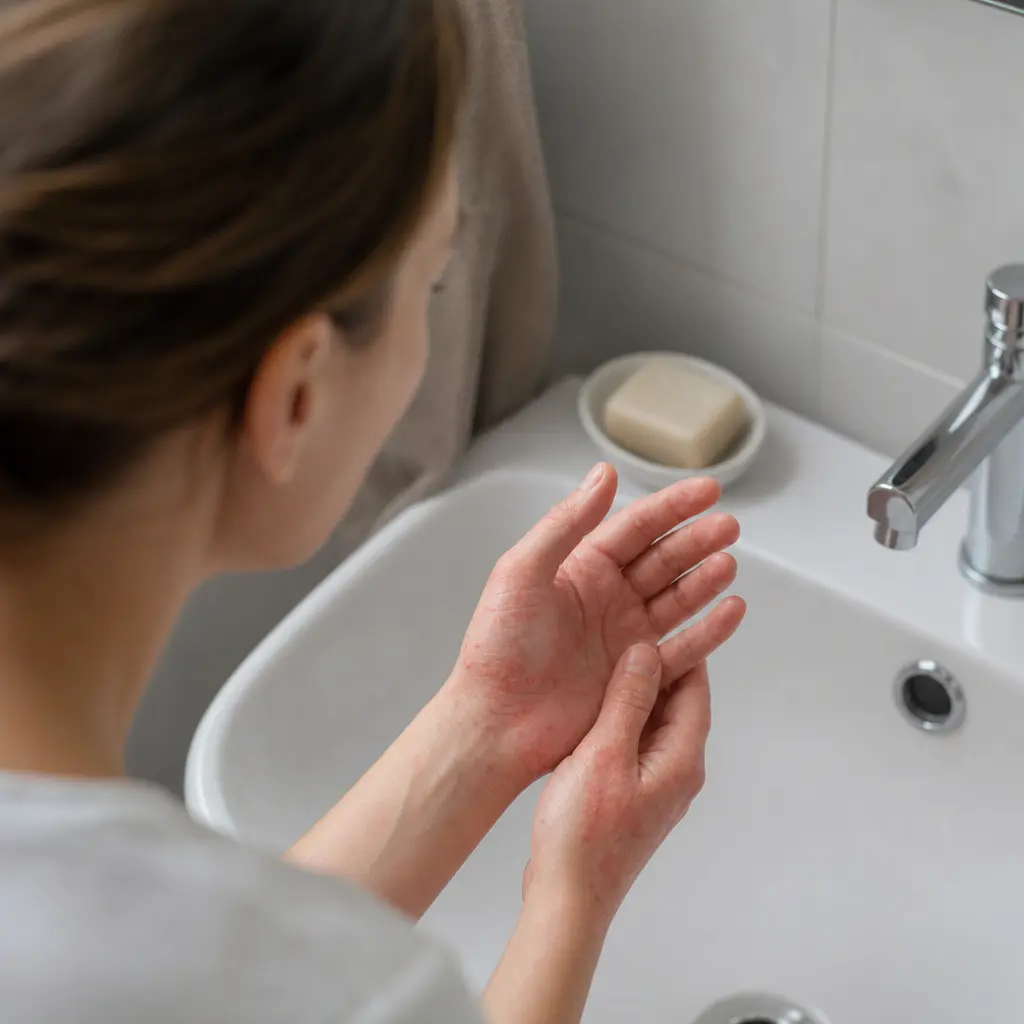
Learn how to recognize, treat, and prevent skin rashes caused by soap. Discover the importance of mild ingredients and proper pH levels for skin barrier health.
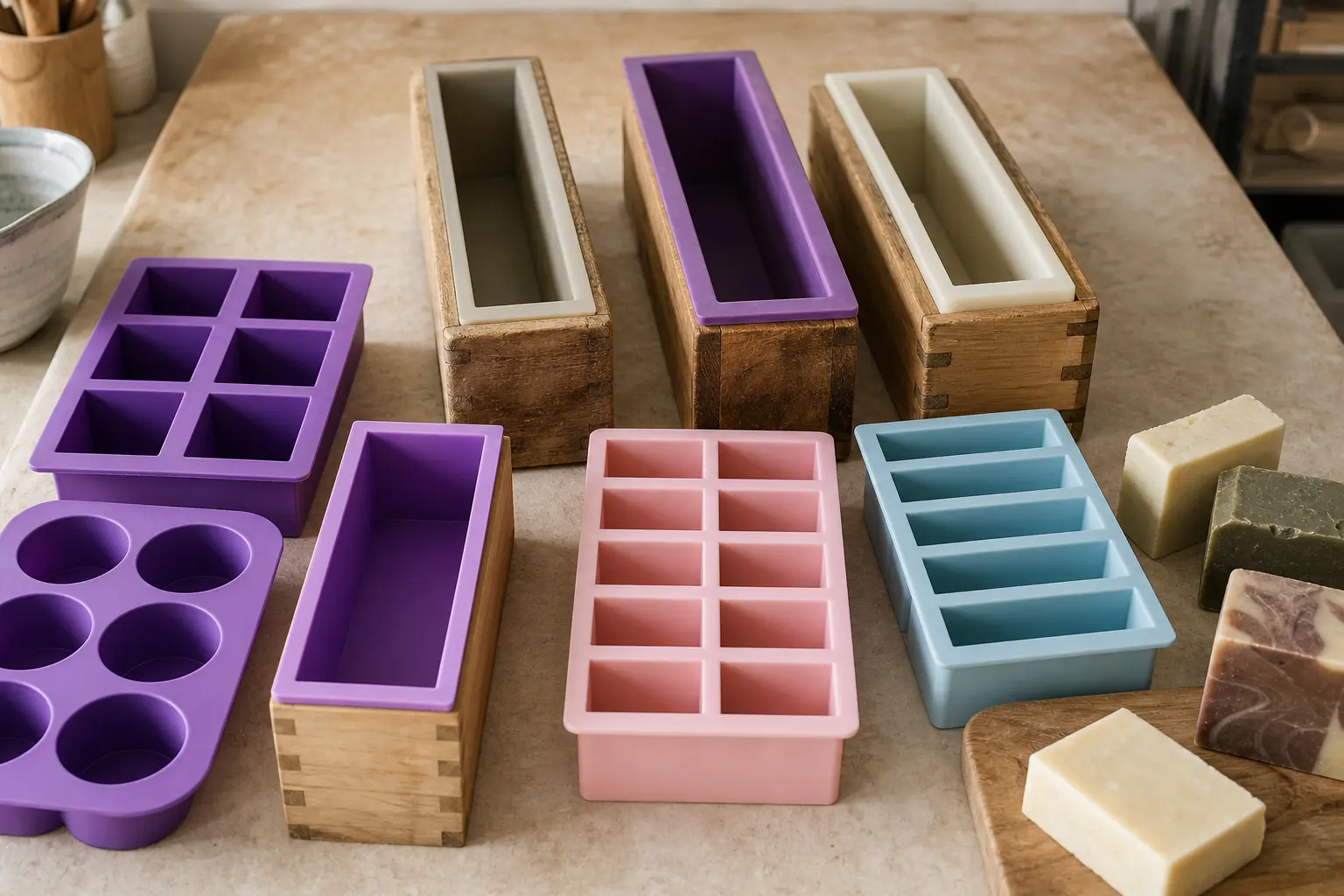
Learn how to choose the right soap mold for your project. Explore the benefits of silicone and wooden molds for melt and pour and cold process for sleek
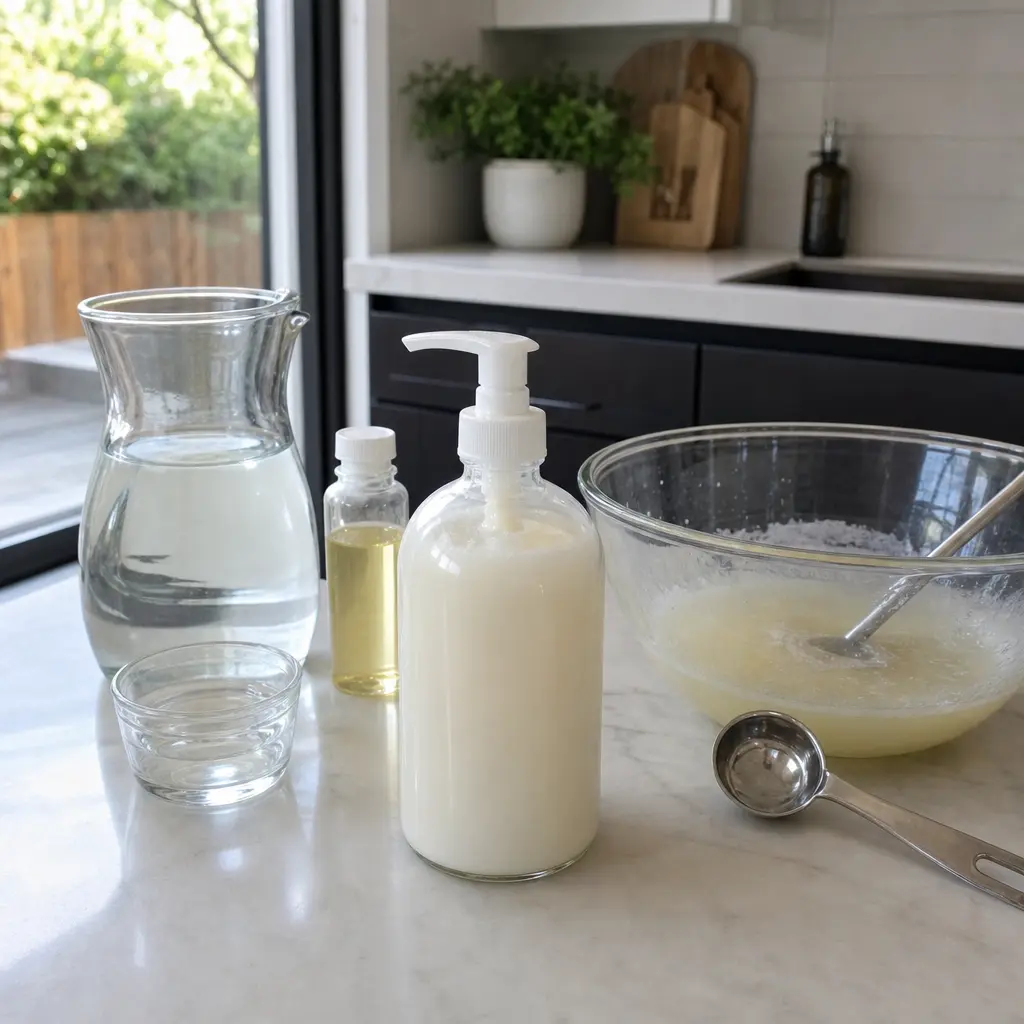
Create your own liquid hand soap with this easy DIY recipe. Use mild surfactants and glycerin for a hydrating result that keeps your hands feeling soft and
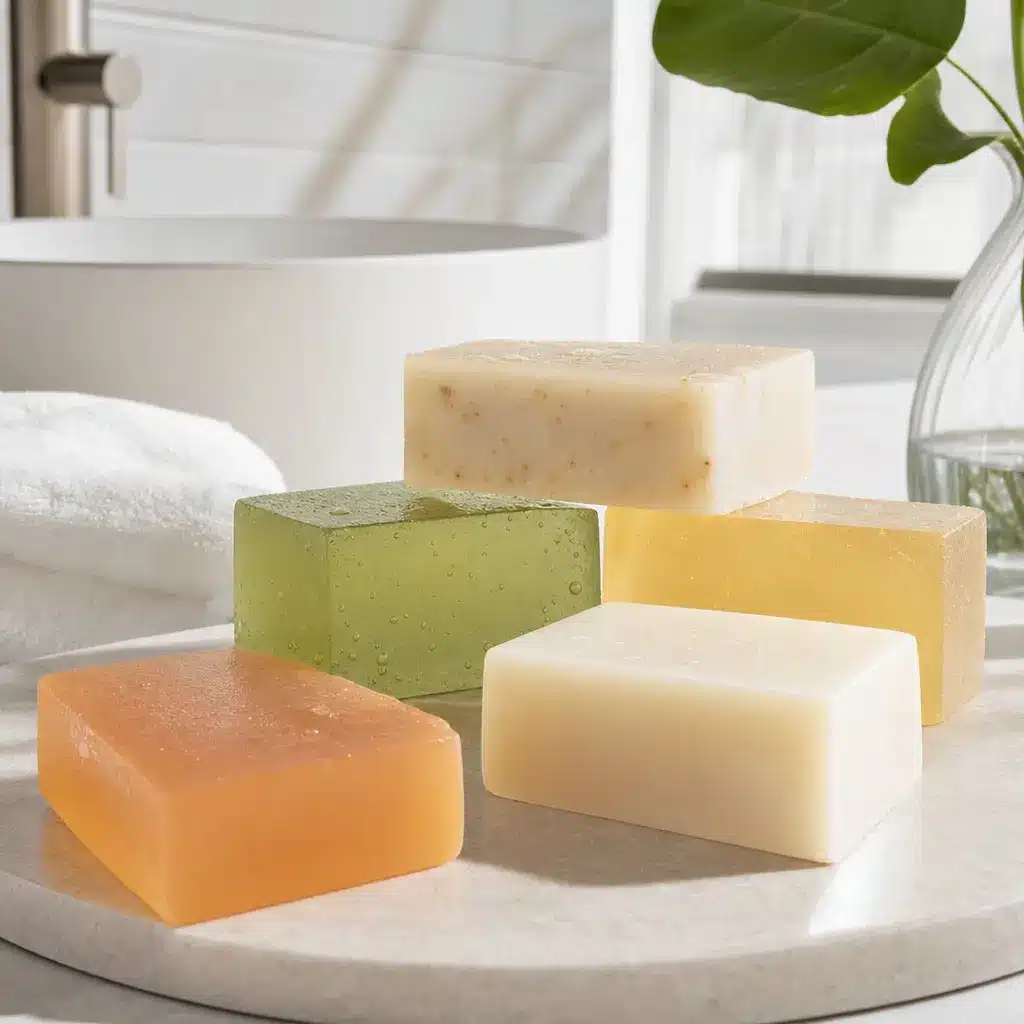
Learn how to add glycerin to soap for hydrated, soft skin. Discover the right ratios for melt and pour bases and expert tips to prevent soap sweating.
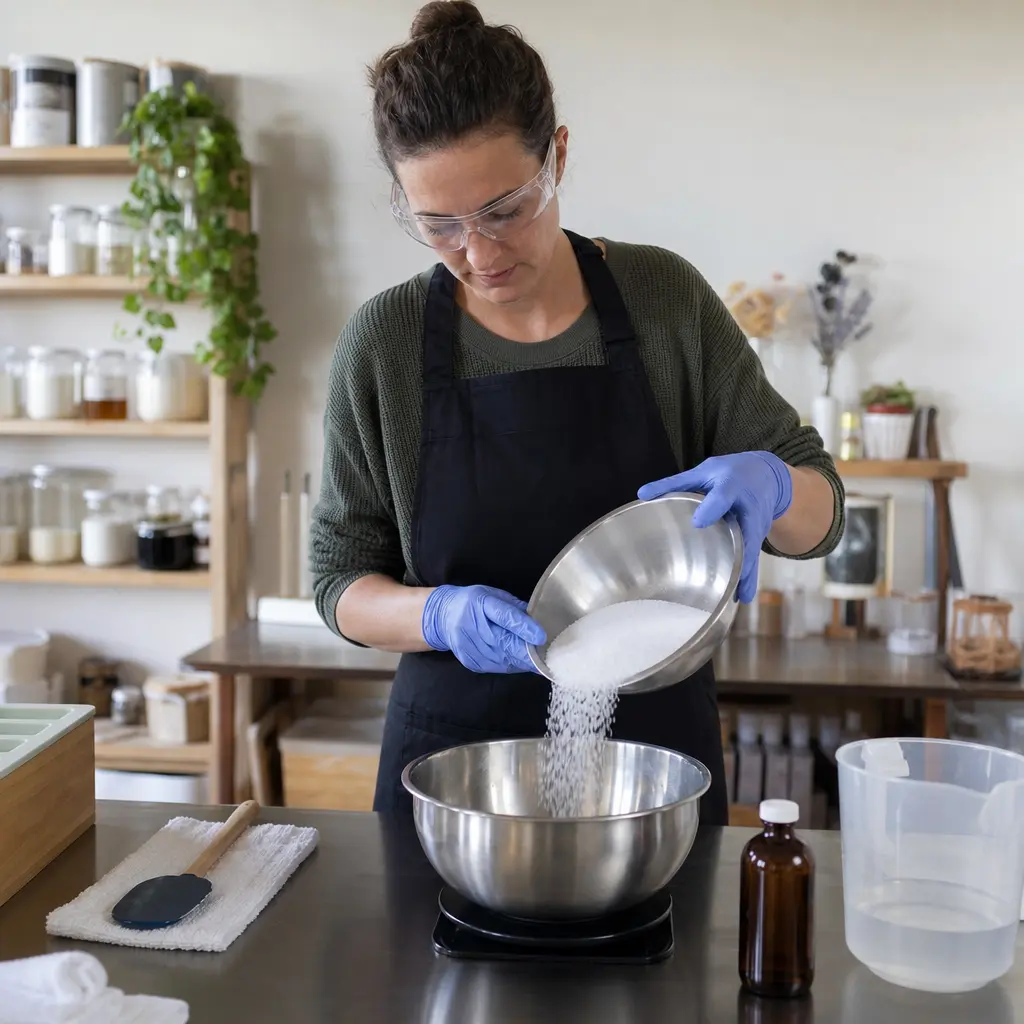
Learn to use lye safely in soap making. This guide covers essential protective gear, the golden mixing rule, and choosing the right equipment for safe results.
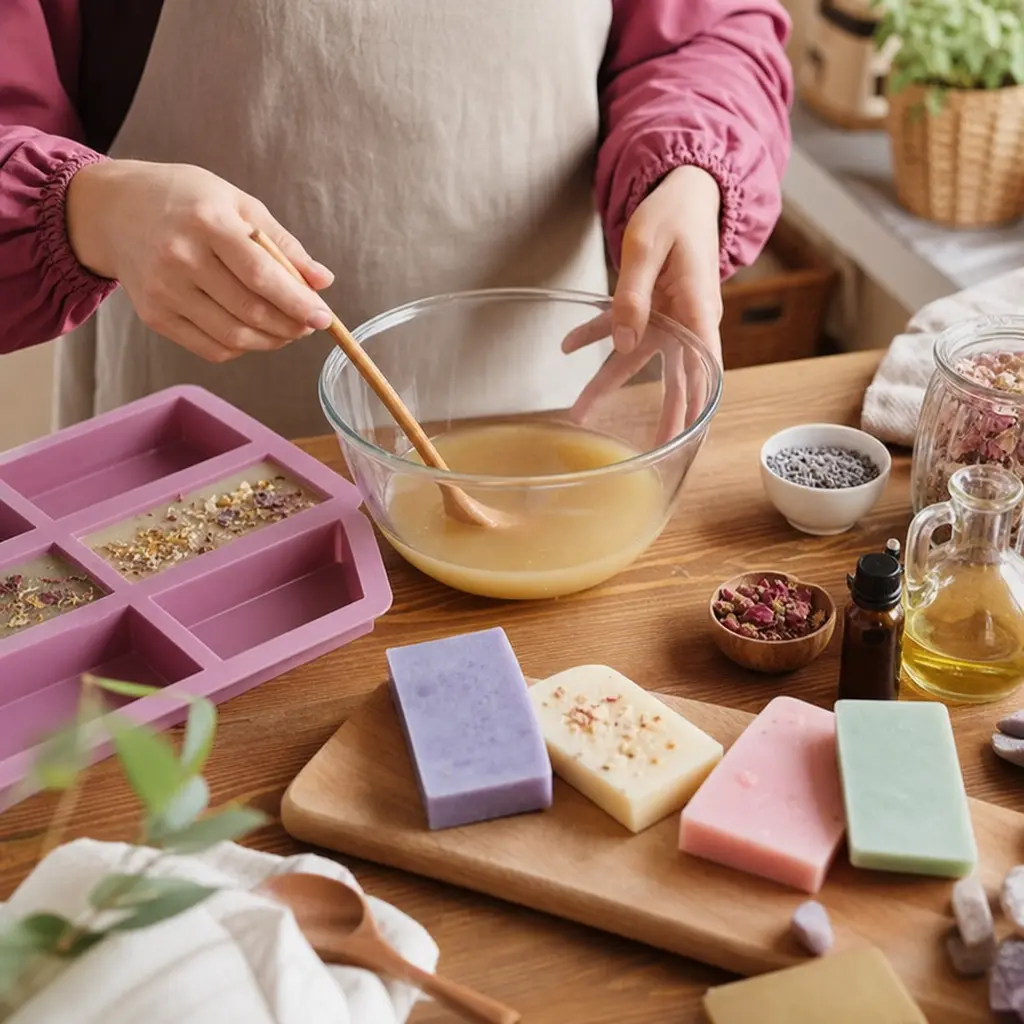
Learn to make your own soap with this beginner guide. Explore melt and pour, cold process methods, essential supplies, and safety tips for working with lye.


