
Fruit flies seem to materialize out of thin air. Leave a bowl of ripe fruit on the counter, and within hours, a cloud of tiny pests takes over your kitchen. For home cooks and makers crafting delicate homemade cosmetics or candles, this is especially frustrating. Fortunately, you can reclaim your space using smart preventative habits and plant-based solutions.
Despite their tiny size, fruit flies are notoriously persistent. They are unhygienic, and their presence is a surefire sign that something nearby is quietly fermenting or decaying.
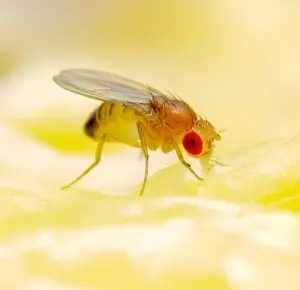
Their rapid life cycle explains why infestations seem to explode overnight. A single female fruit fly can lay hundreds of eggs, which hatch in under twenty-four hours. Within a week, an entire generation reaches maturity. To put an end to the swarm, you need to eliminate their food supply and break their breeding cycle with a few clever strategies.
Why Fruit Flies Invade Your Kitchen
Overripe produce is almost always the primary culprit. As soon as fruit softens, items like bananas, melons, peaches, and tomatoes turn into ideal breeding grounds. Even if an apple looks fine on the outside, early fermentation produces sweet aromas that attract flies from across the house. A single forgotten piece of fruit can sustain an entire colony.
Trash cans and recycling bins are equally tempting targets. A splash of leftover wine, a trace of fruit juice in a carton, or discarded vegetable peels provide ample nourishment. Even if you toss your scraps into the bin, failing to empty and rinse it regularly will keep drawing flies back.
Fruit flies can also nest in less obvious spots, particularly damp drains and sinks. Food residue that clings to the inside of pipes creates a warm, protected environment for eggs and larvae. This is why wiping down counters often fails to solve the issue entirely. Overwatered houseplants with damp potting soil or decaying leaves can also shelter pests.
Practical Steps for Prevention
Stopping an infestation before it begins is far easier than battling established swarms. Your main goal is to remove anything they can feed on or lay eggs in:
- Store ripe produce in the refrigerator rather than out on the countertop.
- Rinse fresh fruits and vegetables thoroughly as soon as you bring them home to wash away hidden eggs.
- Empty trash cans daily and wash bins periodically with warm, soapy water.
- Rinse bottles, cans, and jars clean before dropping them into recycling bins. Even trace amounts of beer, wine, or soda can fuel an infestation.
- Wipe down counters, cutting boards, and stovetops immediately after cooking.
- Avoid letting dirty dishes and unwashed glasses sit in the sink.
- Install fine-mesh window and door screens during warmer weather.
For problem drains, clean them with a blend of baking soda and vinegar. Use a long-handled brush to loosen stubborn grime clinging to the pipe walls, then flush the system thoroughly with boiling water to destroy lingering larvae.
Effective DIY Traps
If fruit flies are already buzzing around your kitchen, you can assemble effective traps using common household supplies:
- The apple cider vinegar trap: Pour a small amount of apple cider vinegar into a shallow dish and stir in a single drop of liquid dish soap. Cover the bowl with plastic wrap and poke several small holes in the surface with a toothpick. The vinegar lures the flies in, while the dish soap breaks the liquid’s surface tension, preventing them from escaping.
- The wine or beer bottle trap: Leave an inch of leftover wine or beer in the bottom of a bottle. Secure a piece of plastic wrap with a few tiny pinholes over the top. Flies will squeeze through the holes to reach the alcohol but will not be able to find their way out.
- The overripe fruit jar: Place a chunk of overripe banana or melon into a small jar. Cover it with punctured plastic wrap. Once the flies gather inside, carry the jar outdoors to empty and clean it.
- The vacuum cleaner method: For dense swarms hovering over a specific surface, use a vacuum hose attachment to clear them from the air. Empty the dust canister or vacuum bag outdoors right away to prevent them from crawling back out.
Essential Oils as a Natural Deterrent
Diffusing essential oils for aromatherapy offers an aromatic, botanical approach to pest control. Many insects find potent plant essences overwhelming and actively steer clear of them.
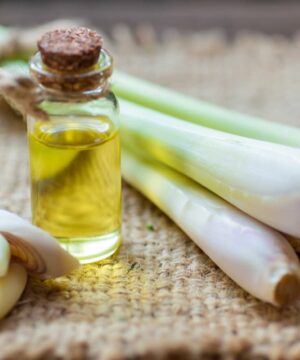
Lemongrass is one of the most reliable options, thanks to its bright, sharp citrus profile. Mix several drops into a spray bottle with water and mist around trash cans, exterior doors, and windowsills. Peppermint oil is another powerhouse; its crisp, refreshing scent drives off pests while keeping your kitchen smelling spotless.
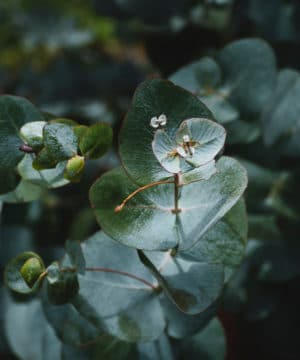
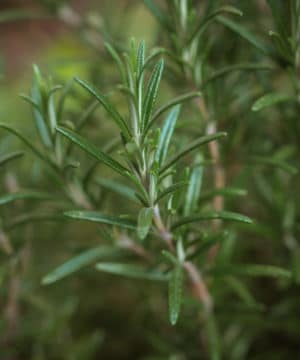
Lavender oil is also worth keeping on hand. While people love its calming floral notes, fruit flies avoid it completely. Citronella, eucalyptus, and rosemary offer similarly strong repellent qualities. In fact, studies show that rosemary oil provides an exceptionally high degree of natural protection against fruit flies.
-
 €4.09 €2,892.56Price range: €4.95€4.09 through €3,500.00€2,892.56 incl. VAT inc. VATExcl. VATSelect options This product has multiple variants. The options may be chosen on the product page
 -
 €3.26 €495.83Price range: €3.95€3.26 through €599.95€495.83 incl. VAT inc. VATExcl. VATSelect options This product has multiple variants. The options may be chosen on the product page
 -
 €3.26 €495.83Price range: €3.95€3.26 through €599.95€495.83 incl. VAT inc. VATExcl. VATSelect options This product has multiple variants. The options may be chosen on the product page


If you enjoy making your own home fragrances, these botanical oils work seamlessly in diffusers and handcrafted candles. When making candles, wait until your melted wax cools to roughly 60–65°C before stirring in the oil. Aim for a fragrance load of 6% to 10% per 100 grams of wax, stirring gently for a full two minutes so the oil binds properly with the wax.
-

 €3.26 €330.54Price range: €3.95€3.26 through €399.95€330.54 incl. VAT inc. VATExcl. VATSelect options This product has multiple variants. The options may be chosen on the product page
 -

 €3.26 €495.83Price range: €3.95€3.26 through €599.95€495.83 incl. VAT inc. VATExcl. VATSelect options This product has multiple variants. The options may be chosen on the product page
 -

 €3.26 €495.83Price range: €3.95€3.26 through €599.95€495.83 incl. VAT inc. VATExcl. VATSelect options This product has multiple variants. The options may be chosen on the product page


Safe Handling of Essential Oils
Because pure plant extracts are highly concentrated, they should always be handled with care. Never apply neat essential oils directly to your skin, and avoid diffusing strong blends around children under the age of six without consulting proper dilution guidelines. Take time to read through basic safety guidelines for essential oils before you start blending.
When crafting a DIY room spray, always dilute essential oils using water combined with a small amount of high-proof alcohol or a dispersant so the oils distribute evenly throughout the solution. Keep your household pets in mind as well, since certain oils can be harmful to dogs and cats.
-
 €2.44 €82.60Price range: €2.95€2.44 through €99.95€82.60 incl. VAT inc. VATExcl. VATSelect options This product has multiple variants. The options may be chosen on the product page
 -
 €4.92 €578.47Price range: €5.95€4.92 through €699.95€578.47 incl. VAT inc. VATExcl. VATSelect options This product has multiple variants. The options may be chosen on the product page
 -
 €3.26 €495.83Price range: €3.95€3.26 through €599.95€495.83 incl. VAT inc. VATExcl. VATSelect options This product has multiple variants. The options may be chosen on the product page
 -

 €3.26 €495.83Price range: €3.95€3.26 through €599.95€495.83 incl. VAT inc. VATExcl. VATSelect options This product has multiple variants. The options may be chosen on the product page


Keeping your home free of fruit flies comes down to combining consistent sanitation with natural deterrents. By maintaining clean surfaces and utilizing the protective power of botanicals, you can keep your kitchen fresh, clean, and pest-free.
Explore our collection to find pure botanical extracts for your room sprays or to craft with essential oils in candles. With the right ingredients, you can easily create a home environment that fruit flies avoid entirely.


