
Seeing “alcohol” on a skincare label often triggers a red flag for many people. We tend to associate it with harsh, stinging liquids that leave the skin feeling stripped and dry. However, when it comes to cetyl alcohol, there is absolutely no reason for concern. This is what’s known as a “fatty alcohol,” and it is used specifically to hydrate the skin and provide a silky-smooth finish. For DIY cosmetic makers, cetyl alcohol is a key ingredient for achieving professional-grade textures, transforming simple oil-and-water mixtures into stable, high-end creams.
Not All Alcohols Are Created Equal
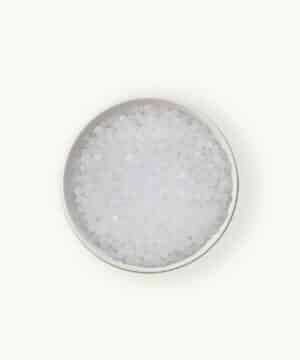
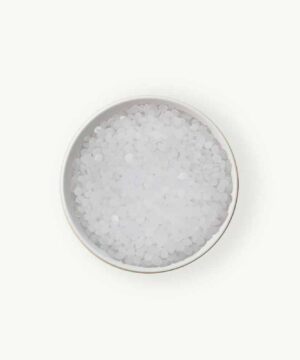
Unlike ethanol or isopropyl alcohol, cetyl alcohol is non-drying. It is a waxy substance typically derived from plant-based sources like coconut or palm oil fatty acids. Because of this fatty acid composition, it acts as an emollient, creating a fine protective barrier on the skin that helps lock in essential moisture. In your recipes, you will usually find it in the form of small white pastilles or flakes. This format is ideal for home formulators; it is easy to weigh out and melts quickly into the oil phase of your emulsion.
-
 €3.26 €371.86Price range: €3.95€3.26 through €449.95€371.86 incl. VAT inc. VATExcl. VATSelect options This product has multiple variants. The options may be chosen on the product page
The Multifaceted Role of Cetyl Alcohol
When you begin making lotions, you quickly learn that water and oil do not naturally stay bonded. You need an emulsifier to bridge the gap. Cetyl alcohol often serves as a co-emulsifier, reinforcing the primary emulsifier to keep the formula stable. It is also an exceptional thickener, adding body and “heft” to your products without the greasy or sticky residue associated with heavier waxes. Most importantly, it provides a characteristic velvety “slip,” allowing creams to glide effortlessly across the skin.
While other ingredients can thicken a formula, the skin feel varies significantly between them. For instance, stearic acid creates a much firmer, stiffer structure. You might also use xanthan gum powder to thicken the water phase. However, cetyl alcohol remains a formulator favorite because of the elegant, matte finish it leaves behind.
-
 €1.86 €181.78Price range: €2.25€1.86 through €219.95€181.78 incl. VAT inc. VATExcl. VATSelect options This product has multiple variants. The options may be chosen on the product page
 -
 €3.26 €123.93Price range: €3.95€3.26 through €149.95€123.93 incl. VAT inc. VATExcl. VATSelect options This product has multiple variants. The options may be chosen on the product page
 -
 €4.09 €156.98Price range: €4.95€4.09 through €189.95€156.98 incl. VAT inc. VATExcl. VATSelect options This product has multiple variants. The options may be chosen on the product page


How to Formulate with Cetyl Alcohol
Working with cetyl alcohol is quite straightforward. Add the pastilles to the oil phase of your recipe and heat to approximately 60°C until fully melted. It is typically used at a concentration of 1% to 5%. Even a small amount can dramatically improve the skin feel of your finished product. However, be mindful of the dosage; using too much can make a cream feel “draggy” or cause a white “soaping effect” during application.
Beyond face creams and body lotions, cetyl alcohol is a fantastic addition to hair conditioners. It helps seal the hair cuticle to reduce frizz and improve manageability. For a deeply nourishing hair treatment, try combining it with a conditioning emulsifier like BTMS 25.
-
€5.74 €809.88Price range: €6.95€5.74 through €979.95€809.88 incl. VAT inc. VATExcl. VATSelect options This product has multiple variants. The options may be chosen on the product page
-
€4.09 €1,033.06Price range: €4.95€4.09 through €1,250.00€1,033.06 incl. VAT inc. VATExcl. VATSelect options This product has multiple variants. The options may be chosen on the product page
Reliable Stability and Professional Results
Few things are more frustrating than a homemade lotion separating into layers of oil and water after a few days. By incorporating cetyl alcohol, you create a robust structure that looks and feels professional. It ensures the product doesn’t “roll” on the skin and provides a glossy, premium appearance. If you want to dive deeper into the science of these bonds, read our guide on exactly what a cosmetic emulsifier does.
Cetyl alcohol also pairs beautifully with other specialized natural ingredients. Consider hydrogenated lecithin to strengthen the skin barrier or Montanov 202 for an even lighter texture. For a vegan-friendly alternative to beeswax in balms, sunflower wax makes an excellent companion.
-
 €4.92 €1,487.60Price range: €5.95€4.92 through €1,800.00€1,487.60 incl. VAT inc. VATExcl. VATSelect options This product has multiple variants. The options may be chosen on the product page
 -
€6.98 €2,066.12Price range: €8.45€6.98 through €2,500.00€2,066.12 incl. VAT inc. VATExcl. VATNotify me when in stock This product has multiple variants. The options may be chosen on the product page
-
 €5.74 €1,900.83Price range: €6.95€5.74 through €2,300.00€1,900.83 incl. VAT inc. VATExcl. VATSelect options This product has multiple variants. The options may be chosen on the product page
 -
 €5.74 €619.83Price range: €6.95€5.74 through €750.00€619.83 incl. VAT inc. VATExcl. VATSelect options This product has multiple variants. The options may be chosen on the product page


Once you experience the difference cetyl alcohol makes in a cream’s texture, it becomes an indispensable part of your maker’s toolkit. Browse our full range of cosmetic emulsifiers to find the perfect base for your next project.


