
Can a bar of soap actually spoil if left in a cupboard for too long? It is a common question among soap makers—whether you are wondering about the shelf life of cold-process soap or trying to understand why melt-and-pour bars sometimes start to sweat. Over time, light, air, and humidity can alter a soap’s texture, color, and fragrance. Fortunately, with proper storage techniques, you can keep your handmade creations fresh for months, if not years.
How Long Does Soap Last?
Artisanal cold-process soap generally stays at peak quality for 12 to 24 months, with well-formulated recipes remaining perfectly usable for up to three years. Commercial store-bought soaps last longer primarily because they rely on synthetic preservatives and chemical stabilizers to artificially extend shelf life.
For cold-process soap, curing is essential. After unmolding, freshly poured bars need 4 to 6 weeks to cure. During this phase, excess water evaporates, resulting in a harder, longer-lasting bar that is much gentler on the skin. A thorough curing process is fundamental to maximizing shelf life.
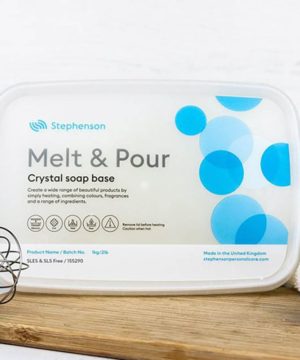
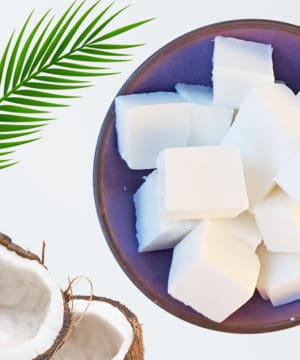
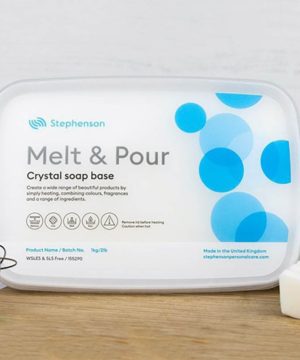
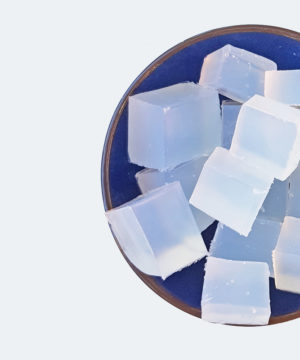
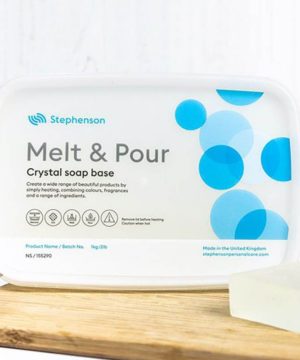
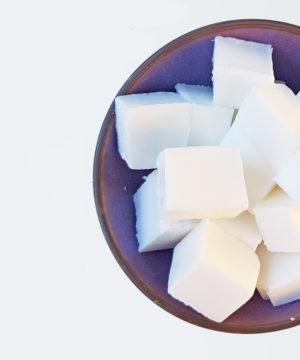
Melt-and-pour soap typically lasts 1 to 2 years. Because the soap base has already undergone full saponification, it requires no curing time. You can learn more about working with these bases in our guide to melt-and-pour soap making.
Liquid soap requires a slightly different approach. Store it in its original, tightly sealed container in a cool location. To prevent bacterial contamination, never dilute liquid soap with water in the bottle or mix fresh batches into old containers. If you are weighing your options between formats, read our guide on liquid soap vs. bar soap.
Five Golden Rules for Storing Your Soap
Moisture, heat, and direct sunlight accelerate the breakdown of soap ingredients. UV radiation degrades pigments and causes essential oils and fragrance oils to dissipate. Follow these core rules to keep your soap in prime condition:
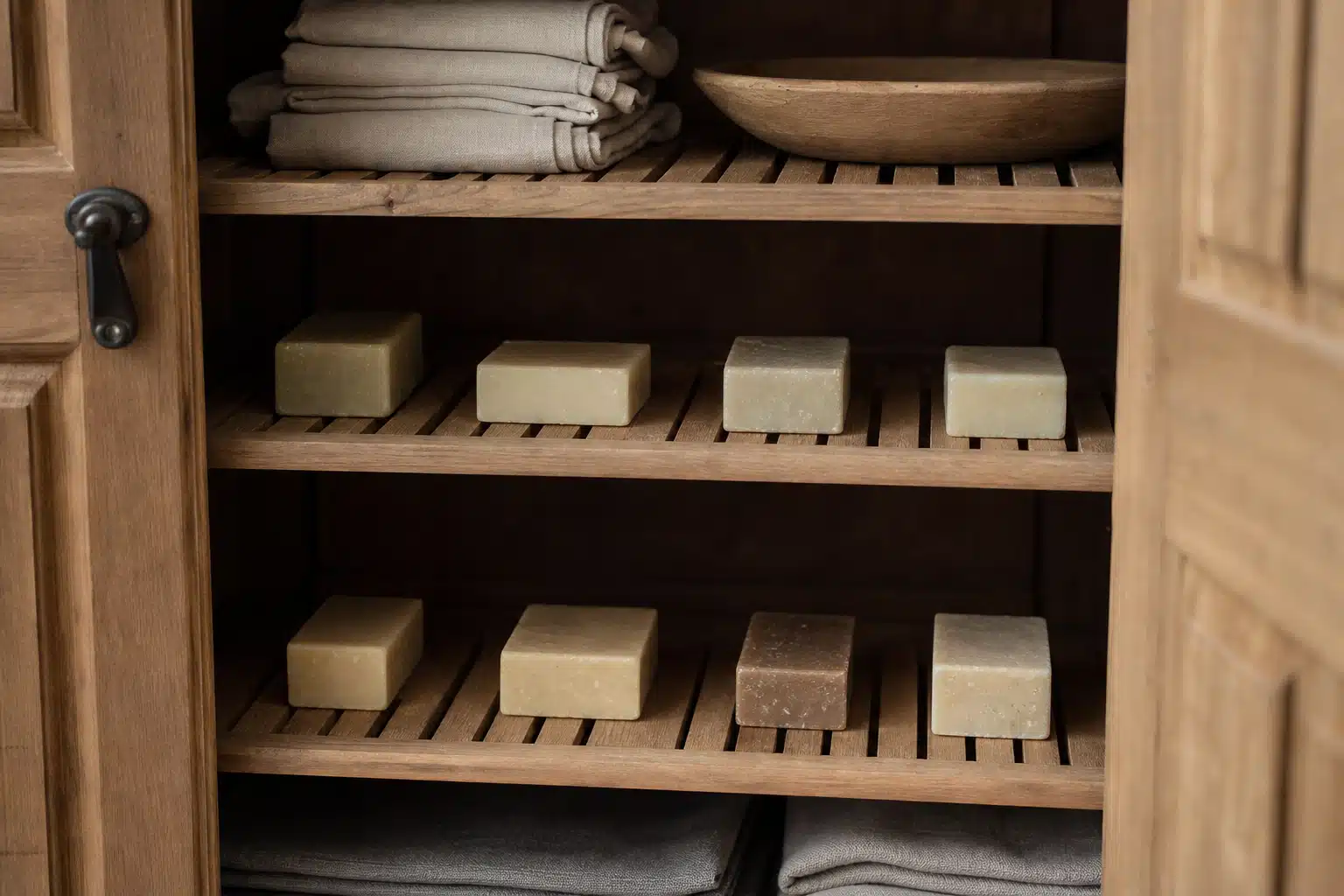
- Choose a cool, dry, dark location: A linen closet or bedroom drawer works far better than a humid bathroom.
- Allow proper airflow: Ensure air can circulate freely around curing cold-process soap.
- Avoid the refrigerator or freezer: Temperature fluctuations cause condensation, which ruins the surface of your bars.
- Use a draining soap dish: For bars currently in use, make sure they dry thoroughly between washes.
- Store your ingredients properly: Protect your formulation supplies by following our guide on how to properly store essential oils.
Storing Melt-and-Pour Soap and Preventing “Sweating”
Melt-and-pour soap bases contain a high concentration of glycerin. While glycerin is fantastic for skin hydration, it is also highly hygroscopic—meaning it actively draws moisture from the surrounding air. In humid conditions, tiny water droplets form on the surface of the soap, a phenomenon known as “sweating.” Learn more about how this ingredient works on our page dedicated to glycerin in soap.
To prevent sweating, tightly wrap melt-and-pour bars in plastic wrap or shrink film immediately after they cool and harden. You can also store wrapped bars in an airtight container. Alternatively, consider formulating with a low-sweat base from our melt and pour soap base selection.
-
€8.10 €42.11Price range: €8.10€8.10 through €50.95€42.11 incl. VAT inc. VATExcl. VATSelect options This product has multiple variants. The options may be chosen on the product page
-
€8.10 €42.11Price range: €8.10€8.10 through €50.95€42.11 incl. VAT inc. VATExcl. VATSelect options This product has multiple variants. The options may be chosen on the product page
-
-
 €11.75 €94.95Price range: €11.75€11.75 through €94.95€94.95 incl. VAT inc. VATExcl. VATSelect options This product has multiple variants. The options may be chosen on the product page
 -
 €11.75 €94.95Price range: €11.75€11.75 through €94.95€94.95 incl. VAT inc. VATExcl. VATSelect options This product has multiple variants. The options may be chosen on the product page
 -
 €13.75 €90.87Price range: €13.75€13.75 through €109.95€90.87 incl. VAT inc. VATExcl. VATSelect options This product has multiple variants. The options may be chosen on the product page
 -
 €13.75 €90.87Price range: €13.75€13.75 through €109.95€90.87 incl. VAT inc. VATExcl. VATSelect options This product has multiple variants. The options may be chosen on the product page
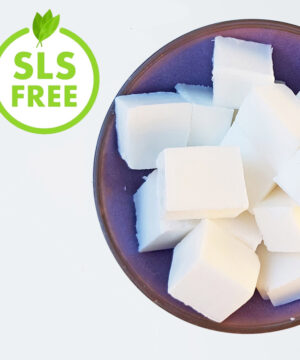


How to Spot Spoilage and Dreaded Orange Spots (DOS)
If tiny orange, yellow, or brown specks appear on your soap after a few months, you are likely dealing with Dreaded Orange Spots (DOS). DOS occurs when the oils and fats within the soap oxidize and go rancid.
Oxidation is typically triggered by exposure to oxygen, heat, light, or contact with reactive metals. Formulations high in polyunsaturated fatty acids (such as sunflower or hemp seed oil) carry a higher risk of rancidity. Always check the expiration dates and freshness of your oils before starting a batch.
You can spot rancid soap by looking for:
- Small orange or brown spots on the surface or edges
- A stale, off-putting odor similar to old frying oil
- A sticky or oily film coating the bar
If your soap is not rancid but simply looks uneven or aged, you do not have to discard it. You can grate and remelt it using the rebatching method. Read our article on beginner homemade soap making to explore your options.
Packaging Soap for Gifting or Sale
Proper packaging shields your soap from dust, moisture, and light damage while presenting a polished product. The ideal packaging material depends on the type of soap you make.
For cold-process soap, choose breathable materials. Cardboard boxes or kraft paper wraps allow residual moisture to evaporate without softening the bar. Browse our collection of soap packaging for sturdy boxes and decorative wraps.
Melt-and-pour soap, on the other hand, must remain sealed in an airtight wrapper until use to prevent it from absorbing humidity and developing a dull surface.
With fresh ingredients and smart storage habits, your handmade soap bars will maintain their scent, texture, and visual appeal for a long time. Ready to build your next recipe? Get started with making your own soap.


