
What Exactly Happens During the Gel Phase?
When you make cold process soap, the chemical reaction between lye and oils (saponification) is exothermic—meaning it naturally generates heat. As this heat builds up within the mold, the temperature climbs, causing the fresh soap batter to transform into a warm, semi-translucent, gelatinous state known as the gel phase. If you want to dive deeper into the chemistry at play, explore our guide to the science behind cold process soap.
Setting yourself up for success starts with your base ingredients. For instance, always using purified water helps prevent trace minerals from interfering with the saponification process.
-
 €1.03 €4.09Price range: €1.25€1.03 through €4.95€4.09 incl. VAT inc. VATExcl. VATSelect options This product has multiple variants. The options may be chosen on the product page
 -
 €3.26 €206.57Price range: €3.95€3.26 through €249.95€206.57 incl. VAT inc. VATExcl. VATSelect options This product has multiple variants. The options may be chosen on the product page


Why Force the Gel Phase?
Many soap makers deliberately encourage their batches to gel. Letting the temperature rise inside the mold offers several distinct advantages:
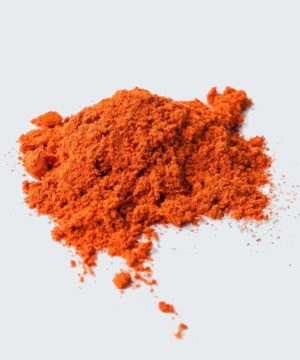
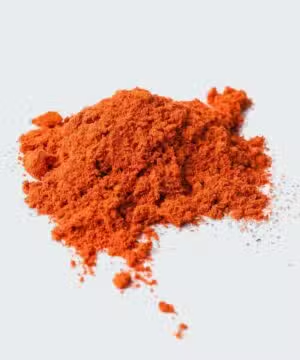
- Vibrant, popping colors: Gelling deepens hues, makes shades look more saturated, and gives the cured bars a slight sheen. It yields particularly stunning results when working with mica powder in soap.
- Truer natural colorants: Without gelling, botanical and plant-based powders can end up looking dull or chalky. For instance, soap colored with alkanet root powder develops into a rich, deep purple when fully gelled, but remains a dusty, muted mauve if kept cool.
- Quicker unmolding: Because internal heat speeds up saponification, gelled soap hardens much faster. You can typically unmold and slice your loaf sooner, though the finished bars will still require a full 4 to 6 weeks to cure properly.
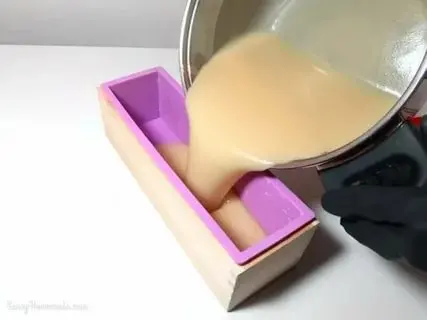
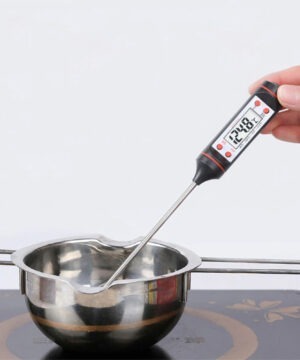
If you want to force the gel phase, aim to combine your lye solution and oils at around 50°C (122°F). After pouring the batter into the mold, cover it with a board or lid and wrap it securely in a thick blanket or heavy towels to trap the heat. In a drafty or cool workspace, resting the mold on a heating pad set to low can give it that extra push. Just be sure to monitor the batch with a reliable thermometer so it doesn’t overheat and crack down the center.
-
-
 €1.61 €22.52Price range: €1.95€1.61 through €27.25€22.52 incl. VAT inc. VATExcl. VATSelect options This product has multiple variants. The options may be chosen on the product page


When Should You Prevent the Gel Phase?
Higher temperatures aren’t ideal for every design. You may want to keep things cool and bypass the gel phase under the following conditions:
- You prefer a soft, matte look: Ungelled soap cures to a creamy, porcelain-like, opaque finish that complements pastel palettes beautifully.
- You are formulating with milk, honey, or purees: Ingredients packed with natural sugars tend to scorch when temperatures spike, which can cause dark streaks, discoloration, and an acrid, caramelized odor.
- You are using delicate natural powders: Certain herbal additives and botanical colorants maintain their true shade best when shielded from excessive heat.
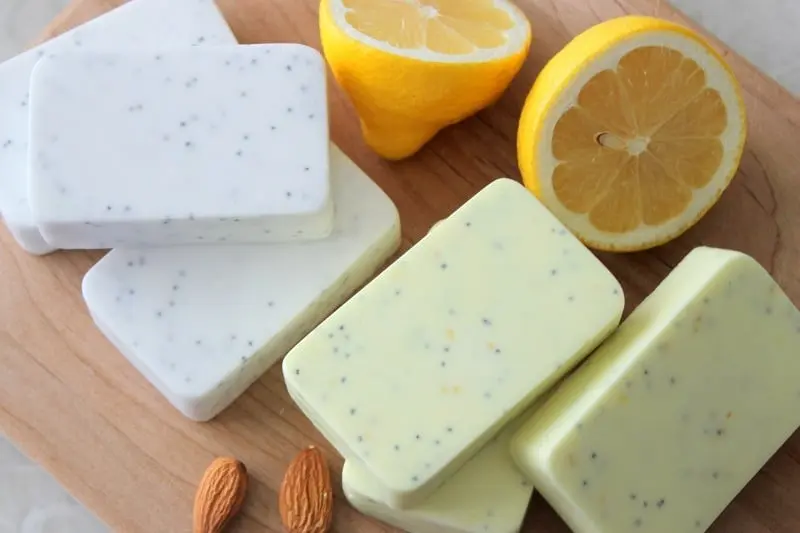
To keep your soap from gelling, combine your oils and lye solution at cooler temperatures—around 35°C (95°F). Once poured, place the mold directly into the refrigerator or freezer for the first 24 hours. Using individual cavity molds instead of a large loaf mold also helps disperse heat quickly, preventing the core from warming up.
-
 €1.45 €53.68Price range: €1.75€1.45 through €64.95€53.68 incl. VAT inc. VATExcl. VATSelect options This product has multiple variants. The options may be chosen on the product page
 -
 €1.45 €57.81Price range: €1.75€1.45 through €69.95€57.81 incl. VAT inc. VATExcl. VATSelect options This product has multiple variants. The options may be chosen on the product page
 -
 €1.45 €826.45Price range: €1.75€1.45 through €1,000.00€826.45 incl. VAT inc. VATExcl. VATSelect options This product has multiple variants. The options may be chosen on the product page


The Dreaded Partial Gel Phase
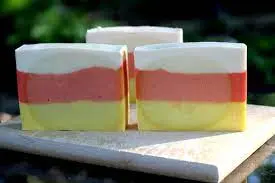
Problems arise when soap only gets warm enough to gel in the center. When this occurs, you will notice a darker, translucent ring right in the middle of each slice, framed by a lighter, matte outer border. This is known as a partial gel. While it leaves the bar with an uneven two-tone appearance, the soap remains completely skin-safe and gentle to use. Partial gelling typically happens when a loaf is left uncovered at room temperature, or when using wooden molds that insulate the core while letting heat escape through the top and sides.
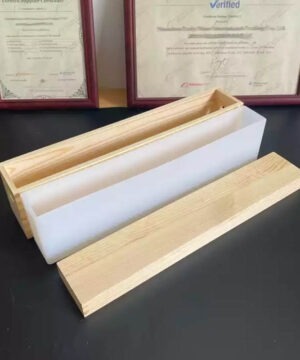
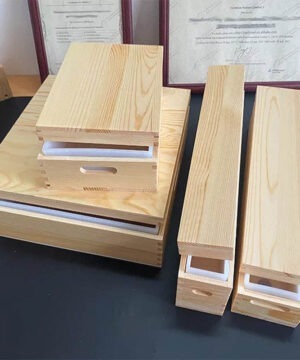
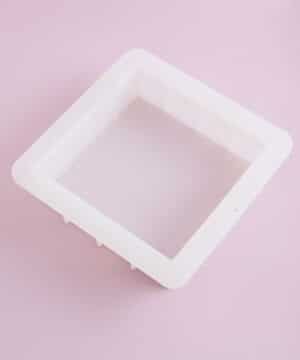
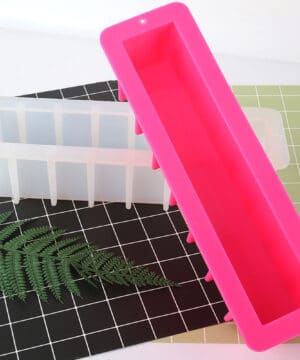
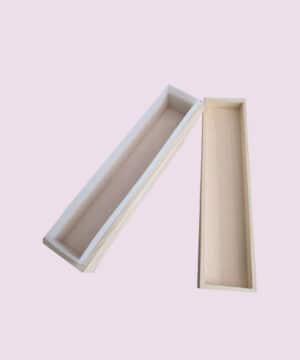
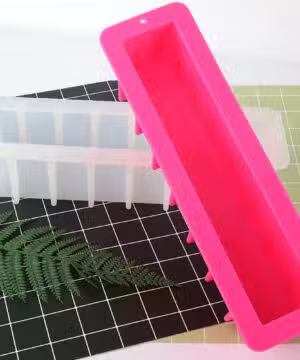
Your choice of soap mold plays a major role in heat management: a heavy silicone mold holds heat differently than thin plastic or wood lined with freezer paper.
-
-
-
-
-
Original price was: €17.95€14.83.€15.95€13.18Current price is: €15.95€13.18. incl. VAT inc. VATExcl. VATAdd to cart




Whether you love the vivid depth of a fully gelled bar or the soft, creamy character of an ungelled design, hands-on experimentation is the best way to discover what fits your personal aesthetic. Try running the same recipe through both methods and compare the cured bars side by side. Grab your supplies, pour a batch, and see the difference for yourself!


