
Have you ever bought a bronzer that looked stunning in the pan, only to realize it turned you a shade of “Oompa Loompa” once it hit your skin? Or maybe you’ve tried a contour powder that looked more like a muddy streak than a natural, subtle shadow. Finding the perfect match for your unique skin tone is one of the biggest challenges in makeup. Fortunately, there is a surprisingly simple solution: make it yourself.
Crafting your own bronzer and contour powder gives you total control over the ingredients and, more importantly, the undertones. Whether you prefer a lightweight loose powder or a professional-grade pressed compact infused with nourishing oils, you get to decide exactly how “sun-kissed” or “sculpted” you want to look. In this guide, we’ll dive into the world of pigments, carriers, and binders so you can feel confident about exactly what you’re putting on your skin.
The Difference Between Bronzer and Contour
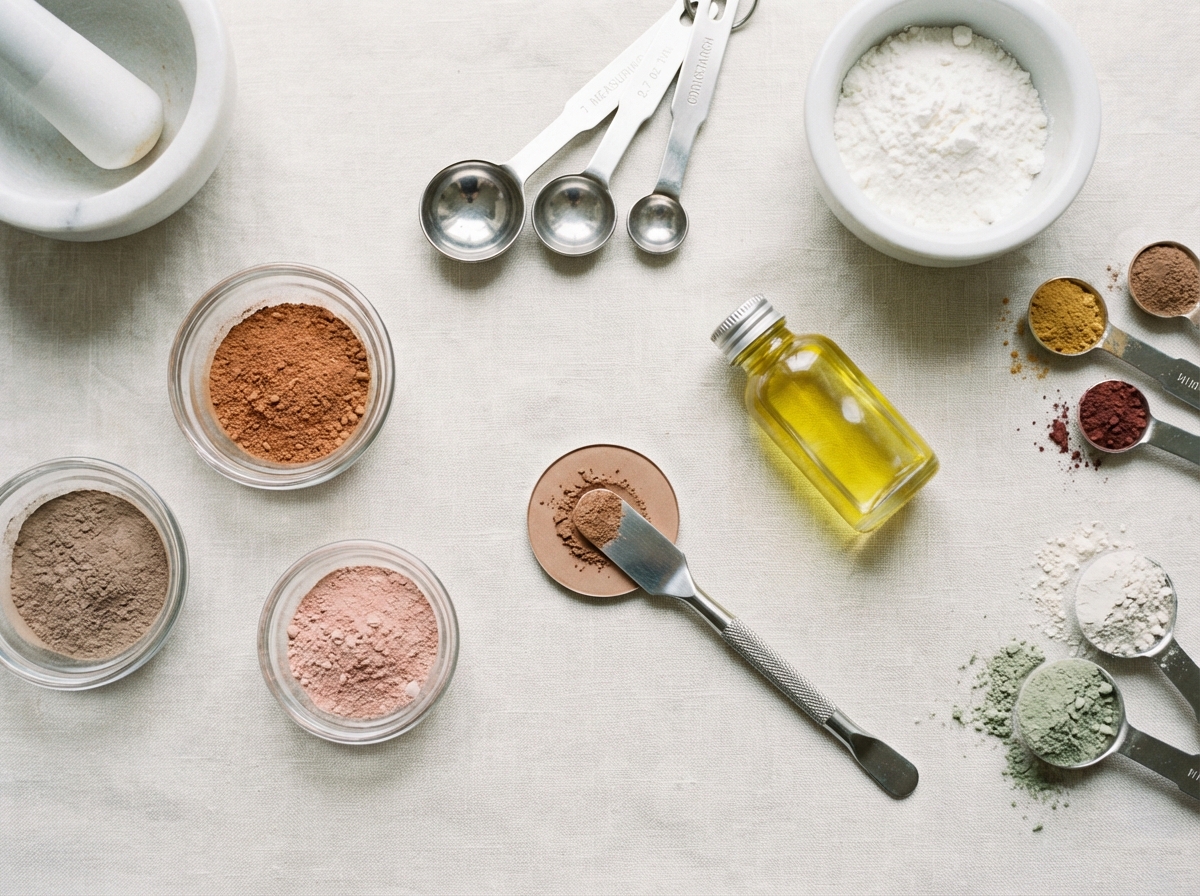
Before you start mixing, you need to define your goal. While these terms are often used interchangeably, they serve very different purposes and require different formulas. Bronzer is designed to add warmth to the face, mimicking that “just back from vacation” glow. It usually features warm, golden, or reddish undertones and often contains mica or shimmer for a luminous finish.
Contour powder, on the other hand, is all about creating depth and dimension—specifically under the cheekbones, along the temples, or under the jawline. Because natural shadows aren’t orange, a good contour powder should always be matte and have a cool, slightly grayish undertone to realistically mimic the look of a shadow.
The Essentials: Ingredients You’ll Need
Pure pigments are too intense and blotchy to be applied directly to the skin. To create a blendable product, you need a base (the carrier), the color (the pigment), and an optional binder if you want to press the powder into a compact.
The Carrier
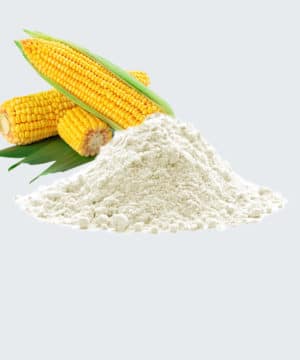
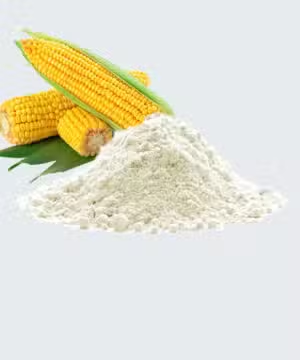
The carrier makes up the bulk of your recipe. It ensures the product feels silky, blends seamlessly, and isn’t too concentrated. Cornstarch is an excellent choice for this; it has a smooth texture and helps absorb excess oil throughout the day. While commercial makeup often uses talc or sericite mica for adhesion, cornstarch is a natural, accessible, and effective alternative for DIYers.
-
 €1.61 €33.02Price range: €1.95€1.61 through €39.95€33.02 incl. VAT inc. VATExcl. VATSelect options This product has multiple variants. The options may be chosen on the product page
The Color
This is where you can get creative. While many online tutorials suggest using cocoa powder or cinnamon, we advise against using food items for cosmetics you intend to keep. Food products are prone to bacterial growth, and spices like cinnamon can be highly irritating to the skin. Instead, use cosmetic-grade pigment powders or natural clays.
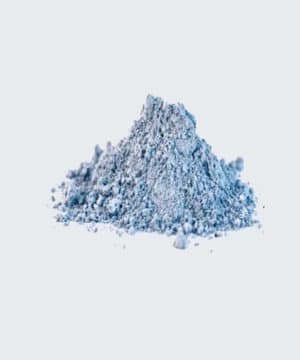
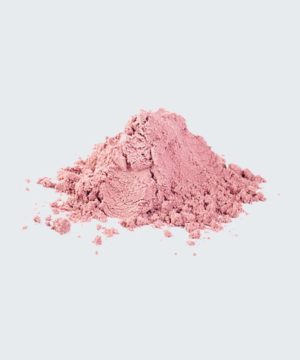
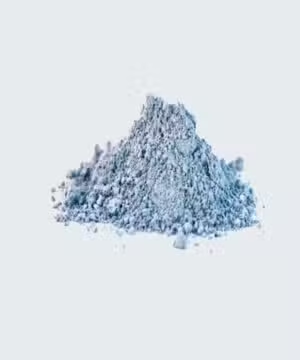
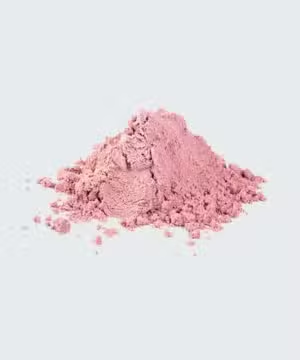
Iron oxides are incredibly concentrated, so a little goes a long way. For a softer look with added skin benefits, clays are ideal. French Pink Clay offers a soft, warm glow perfect for fair skin. If you need to “cool down” a mixture that looks too orange for a contour, Cambrian Blue Clay is a secret weapon for neutralizing warmth.
-
 €1.86 €165.25Price range: €2.25€1.86 through €199.95€165.25 incl. VAT inc. VATExcl. VATSelect options This product has multiple variants. The options may be chosen on the product page
 -
 €1.86 €74.34Price range: €2.25€1.86 through €89.95€74.34 incl. VAT inc. VATExcl. VATSelect options This product has multiple variants. The options may be chosen on the product page
The Shimmer (Optional)
If you’re making a bronzer, you might want to add some radiance. Use finely milled Mica powders or eco-friendly glitters to achieve that sun-drenched effect. If you’re making a contour powder, skip the shimmer entirely—you don’t want your “shadows” to catch the light.
Recipe 1: Simple Loose Bronzer
This is the easiest way to start making cosmetics. All you need is a small sifter jar. Use one tablespoon of cornstarch as your base, then add a teaspoon of clay or a tiny pinch of iron oxide.
Combine the base and pigments in a small bowl or mortar. It is essential to mix thoroughly; using a mortar and pestle helps “burst” the pigments and fuse them with the base, preventing streaks during application. Test the color on your jawline as you go. Too light? Add more pigment. Too dark? Add more cornstarch. Once you’ve hit your perfect shade, transfer it to your jar.
Recipe 2: Pressed Powder
If you prefer a traditional compact, you’ll need a binder to keep the powder from crumbling. Start with the loose powder mixture from the recipe above until you are happy with the color.
Add 3 to 5 drops of a light oil per tablespoon of powder. Castor oil provides great “grip,” but jojoba oil is also a popular choice. Stir the oil into the powder until it reaches the consistency of damp sand. For an extra touch of hydration, you can also add a drop of Glycerin.
Slowly add high-percentage alcohol (96% or 99%) until you have a thick paste. Scoop the paste into an empty makeup pan and tap it on the table to remove air bubbles. Let it sit for about an hour to firm up, then place a clean paper towel or cloth over it and press down firmly with a coin or a press that fits the pan. The more pressure you apply, the more durable the powder will be. Let it dry for at least 24 hours to allow the alcohol to fully evaporate.
-
€4.08 €165.09Price range: €4.45€4.08 through €179.95€165.09 incl. VAT inc. VATExcl. VATSelect options This product has multiple variants. The options may be chosen on the product page
-
 €1.86 €181.78Price range: €2.25€1.86 through €219.95€181.78 incl. VAT inc. VATExcl. VATSelect options This product has multiple variants. The options may be chosen on the product page
 -
 €3.26 €49.55Price range: €3.95€3.26 through €59.95€49.55 incl. VAT inc. VATExcl. VATSelect options This product has multiple variants. The options may be chosen on the product page
 -
€3.26 €53.68Price range: €3.95€3.26 through €64.95€53.68 incl. VAT inc. VATExcl. VATSelect options This product has multiple variants. The options may be chosen on the product page


Tips for the Perfect Color Match
The best part of DIY is that you aren’t limited to standard shades. Here’s how to troubleshoot your mix:
- Fair Skin: Be very careful with brown oxides. Use a generous amount of base and try pink clay for a more natural warmth.
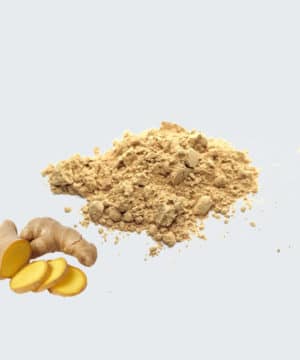
- Medium Skin: A blend of pigments usually works best. If the color looks too “ashy,” try adding Ginger root powder from the natural powders category to bring out golden undertones.
- Deep Skin: Use significantly less white base. Focus on deep brown oxides to add richness without making the skin look gray.
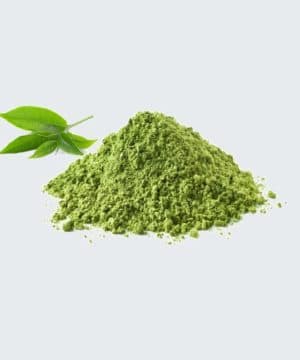
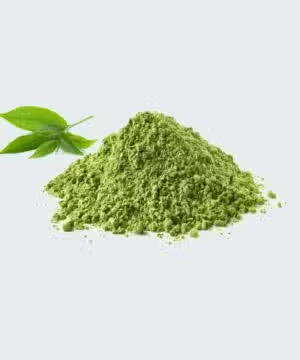
If your mixture looks too orange, you can neutralize it with a tiny bit of blue or green pigment (such as Matcha green tea powder). This is the quickest way to turn a bronzer into a true contour shade.
-
 €1.86 €74.34Price range: €2.25€1.86 through €89.95€74.34 incl. VAT inc. VATExcl. VATSelect options This product has multiple variants. The options may be chosen on the product page
 -
 €1.86 €41.28Price range: €2.25€1.86 through €49.95€41.28 incl. VAT inc. VATExcl. VATSelect options This product has multiple variants. The options may be chosen on the product page
Shelf Life and Safety
Water-free homemade makeup like loose powder has a relatively long shelf life—typically 6 to 12 months—since bacteria and mold need moisture to grow. However, adding oils for a pressed powder increases the risk of spoilage over time.
Always work with sanitized tools; the alcohol used for pressing is perfect for disinfecting your workspace. If you’re using vegetable oils that can oxidize, consider adding a drop of Vitamin E to keep them fresh longer. Store your makeup in a cool, dry place. If the smell or color changes, it’s time to toss it.
If you enjoy this process and want to try making liquid or cream products, be sure to research preservatives thoroughly. Any product containing water requires a proper preservation system to remain safe. You can learn more in our guide on making lotions.
Making your own makeup is all about experimentation and fun. Start with small batches, keep track of your ratios, and soon you’ll have a signature shade that fits you better than anything you could find in a store!


