
What Is a Natural Skin Tint and Why Is It So Popular?
A natural skin tint is an ultra-lightweight, sheer cosmetic designed to even out your complexion without masking your skin’s natural texture. Sitting somewhere between skincare and makeup, it offers a fresh, luminous alternative to traditional, heavy foundations. Its rising popularity goes hand in hand with the clean beauty movement: more people are ditching pore-clogging silicones and synthetic fillers in favor of nourishing, skin-friendly formulas. Formulating your own tint at home gives you total control over the ingredients, letting you tailor both hydration and coverage to your skin’s exact needs.
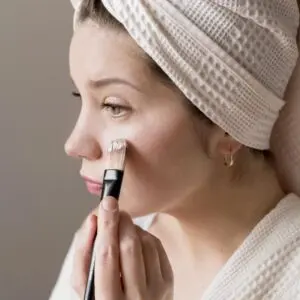
The Role of Mica and Iron Oxides in Your Formula
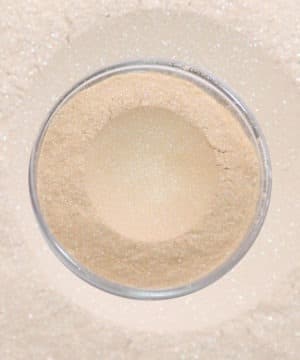
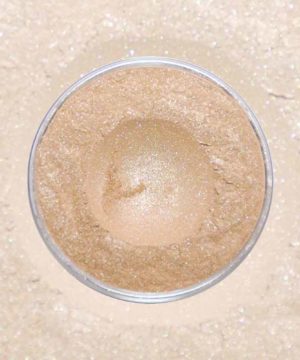
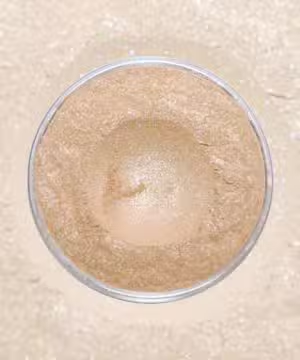
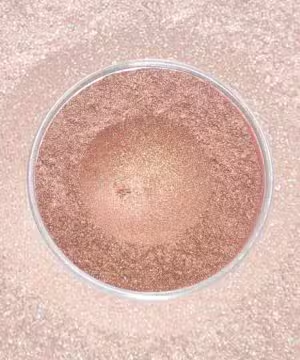
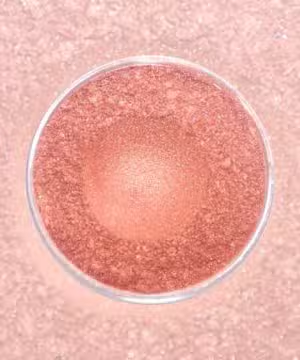
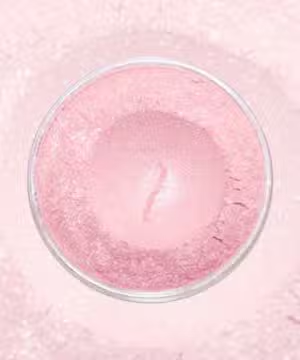
Pigments are the cornerstone of any homemade makeup product. In fact, most of the best natural ingredients for makeup rely on a balanced blend of mica powders and iron oxides to create realistic, skin-mimicking shades.
- Mica powder: This naturally occurring mineral adds radiance, light reflection, and a soft-focus glow. It gives the product slip so it glides effortlessly across the skin, leaving behind a subtle satin finish.
- Iron oxides: These pure mineral pigments provide actual coverage and color. Available in shades of yellow, red, brown, and black, they are the essential building blocks for creating any realistic complexion product.
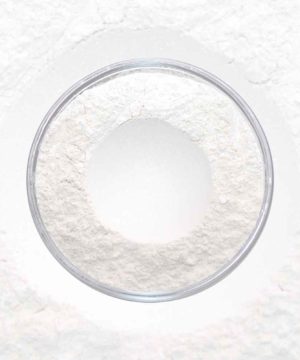
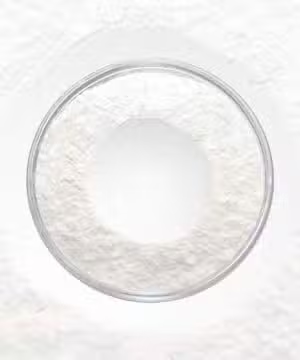
- Titanium dioxide: A bright white mineral pigment used to add opacity and lighten deeper mixtures, turning sheer shimmer into workable coverage.
To keep things simple, it is usually easiest to choose a pre-blended base pigment close to your natural tone and adjust from there.
-
 €1.95 €27.25Price range: €1.95€1.95 through €27.25€27.25 incl. VAT inc. VATExcl. VATSelect options This product has multiple variants. The options may be chosen on the product page
 -
 €1.95 €27.25Price range: €1.95€1.95 through €27.25€27.25 incl. VAT inc. VATExcl. VATSelect options This product has multiple variants. The options may be chosen on the product page
 -
 €1.95 €27.25Price range: €1.95€1.95 through €27.25€27.25 incl. VAT inc. VATExcl. VATSelect options This product has multiple variants. The options may be chosen on the product page

How to Choose the Right Undertone
Getting a flawless color match comes down to nailing your undertone. By combining iron oxides in varying proportions, you can reproduce virtually any skin tone. Yellow iron oxide typically forms the base of most shades, while red and brown add warmth and dimension.
- Fair complexions: Build around a base of yellow iron oxide, adding just a tiny speck of brown or red for subtle warmth.
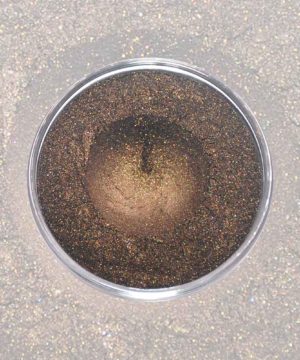
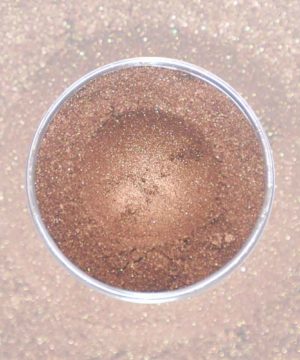
- Medium to deep complexions: Increase the ratio of brown iron oxide, introducing a minute pinch of black iron oxide to add depth without making the shade look muddy.
Always swatch your mixture along your jawline in natural daylight—a true match will melt into your skin with no obvious line of demarcation.
-
 €1.95 €27.25Price range: €1.95€1.95 through €27.25€27.25 incl. VAT inc. VATExcl. VATSelect options This product has multiple variants. The options may be chosen on the product page
 -
 €1.95 €27.25Price range: €1.95€1.95 through €27.25€27.25 incl. VAT inc. VATExcl. VATSelect options This product has multiple variants. The options may be chosen on the product page
 -
 €1.95 €27.25Price range: €1.95€1.95 through €27.25€27.25 incl. VAT inc. VATExcl. VATSelect options This product has multiple variants. The options may be chosen on the product page
 -
 €1.95 €27.25Price range: €1.95€1.95 through €27.25€27.25 incl. VAT inc. VATExcl. VATSelect options This product has multiple variants. The options may be chosen on the product page
 -
 €1.95 €27.25Price range: €1.95€1.95 through €27.25€27.25 incl. VAT inc. VATExcl. VATSelect options This product has multiple variants. The options may be chosen on the product page
 -
 €1.95 €27.25Price range: €1.95€1.95 through €27.25€27.25 incl. VAT inc. VATExcl. VATSelect options This product has multiple variants. The options may be chosen on the product page
 -
 €1.95 €27.25Price range: €1.95€1.95 through €27.25€27.25 incl. VAT inc. VATExcl. VATSelect options This product has multiple variants. The options may be chosen on the product page

Step-by-Step: Making Your Own Skin Tint
A great DIY skin tint should strike a balance between effortless blendability, light nourishment, and sheer, radiant color.
- Combine your base: In a small glass dish, mix 1 teaspoon of aloe vera gel with 0.5 teaspoon of jojoba oil until smoothly emulsified.
- Incorporate the pigments: Gradually add approximately 0.6 teaspoon of your custom mica and iron oxide blend.
- Grind and blend: Stir thoroughly to eliminate any streaks or clumps. Using a small cosmetic mortar and pestle ensures the iron oxides are fully crushed and dispersed.
- Add an antioxidant: Stir in 1 to 2 drops of vitamin E oil. This helps protect the carrier oil from oxidation while offering added skin-nourishing benefits.
- Test and adjust: Swatch a small amount on the back of your hand or jawline. Add pinches of pigment to deepen or correct the undertone, or add a bit more aloe base to sheer it out.
This base formula remains light and breathable throughout the day. If you lean oily, blend in a pinch of arrowroot powder for a velvety, soft-matte finish. If your skin is on the drier side, swap in a couple of drops of squalane oil for extra dewy hydration.
Safety and Results for Sensitive Skin
If your skin reacts easily to store-bought products, switching to mineral makeup for sensitive skin can be transformative. Mineral pigments sit gently on top of the skin rather than settling into pores, substantially lowering the risk of breakouts and irritation.
However, ingredient quality matters. Only use cosmetic-grade mica and pigments that are certified safe for facial use. Inexpensive craft glitters and industrial micas often contain sharp particles or heavy-metal impurities that can damage the skin barrier. Similarly, avoid kitchen substitutes like cocoa powder or food coloring; these can harbor mold, stain the skin, and spoil quickly once mixed into liquid bases.
Once you have mastered your base shade, you can use the same technique to make your own highlighter simply by omitting the iron oxides and increasing the proportion of shimmering mica.
Tips for a Professional Finish
Working with loose mineral pigments takes a little practice, but these tips will help you achieve consistent, mess-free results:
- Work incrementally: Pigments are exceptionally potent. Add them in pinches; it is far easier to deepen a shade than to lighten one that has turned too dark.
- Proper storage: Keep your finished tint in a clean, airtight glass jar or dropper bottle, away from heat and direct sunlight.
- Mind the shelf life: Any DIY product combining water (from the aloe) and oil without a dedicated broad-spectrum preservative will spoil over time. Mix small batches and aim to use your tint within two to three months.
- Maintain hygiene: Apply your tint using clean fingertips, a spatula, or a freshly washed makeup brush to avoid introducing bacteria into your jar.
Formulating your own makeup is an empowering, creative way to give your skin exactly what it needs. With a little patience and the right mineral pigments, you will create a custom skin tint that matches your natural complexion better than anything off the shelf.


