
Have you ever crafted a homemade soap or perfume, only to find the scent vanishes after ten minutes? Or blended a formula so dense and heavy that it immediately suffocates every fresh, bright note? The secret to creating a rich, multi-dimensional fragrance lies in balancing evaporation rates with complementary scent families. Once you understand how volatile aromatic molecules interact, you can elevate a simple blend into a polished, professional composition. With a few foundational principles and the classic 30/50/20 ratio, designing your own signature scents becomes second nature.
The Fragrance Pyramid and Evaporation Rates
Every well-crafted perfume unfolds on the skin over time. Perfumers visualize this progression using the fragrance pyramid, which divides aromatic materials into top, heart, and base notes according to their relative volatility.
Top notes are built from light, highly volatile molecules that deliver an immediate first impression as soon as you uncap the bottle. They provide that initial burst of brightness, but dissipate quickly—typically within 5 to 15 minutes. Think of sparkling citrus oils, crisp herbs like basil, or airy green notes.
Heart (or middle) notes form the true core and personality of your formula. They begin to emerge around 15 to 30 minutes after application and can linger for several hours. This layer is usually dominated by florals, aromatic greens, or delicate spices that round out the blend.
Base notes consist of heavy, slow-evaporating molecules that anchor the entire structure, remaining on the skin for hours or even days. Ingredients like woods, resins, rich vanillas, and musks provide essential depth while physically slowing the evaporation of the lighter layers above them.
In reality, all ingredients begin evaporating the moment they touch the skin. However, because they vaporize at vastly different speeds, the aroma shifts and reveals new facets throughout wear. To dive deeper into this concept, read our guide on understanding the fragrance pyramid.
The 30/50/20 Rule for a Balanced Formula
To prevent any single component from overwhelming the rest, perfumers frequently rely on a time-tested ratio: 30% top notes, 50% heart notes, and 20% base notes. This classic framework creates a well-rounded, long-lasting structure whether you are working with pure essential oils, synthetic aroma compounds, or a blend of both.
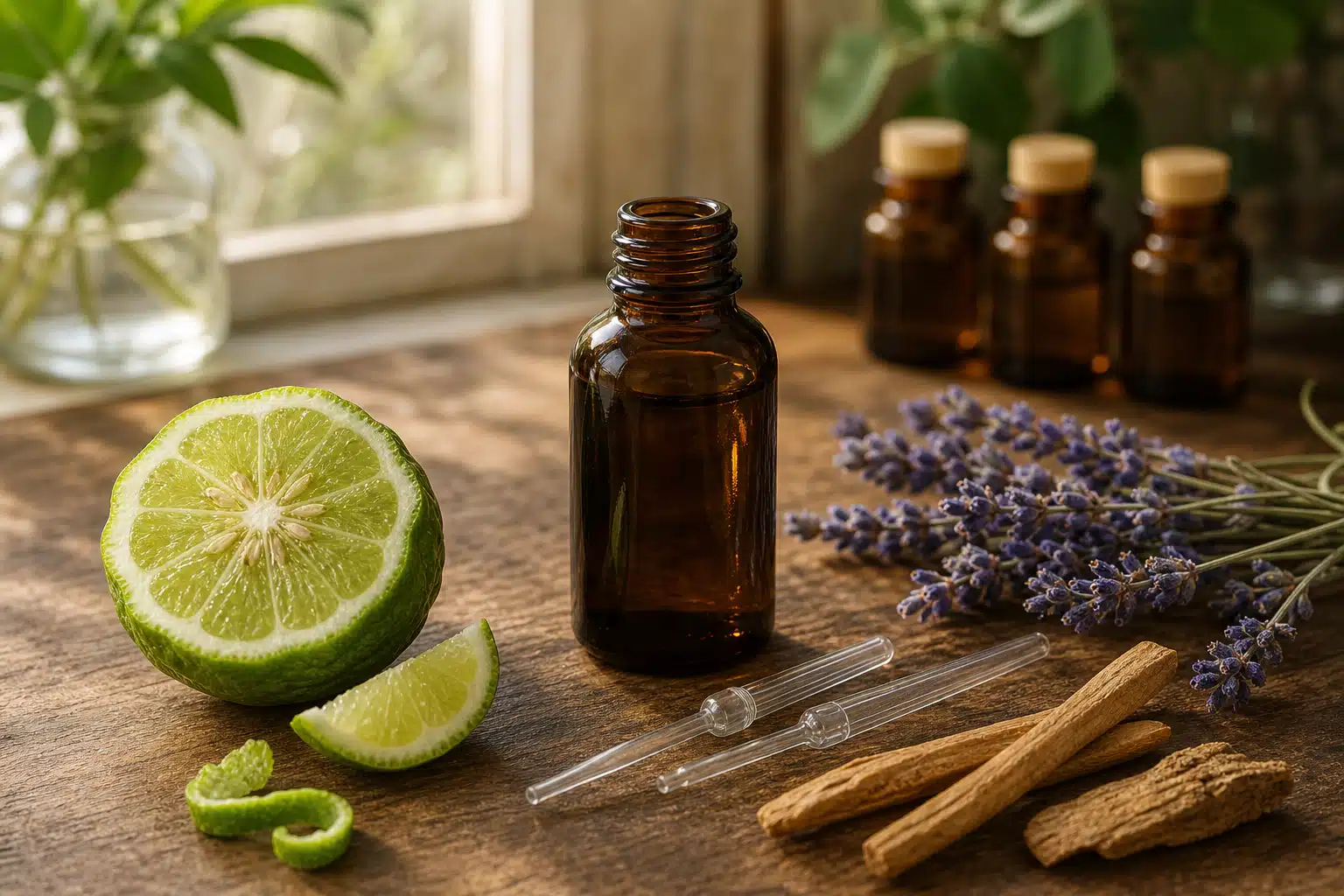
A simple 20-drop sample blend demonstrates how this works in practice:
- 6 drops of bergamot (30%) for a sparkling, uplifting opening
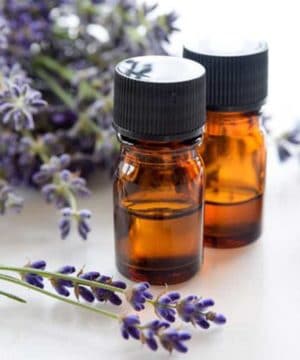
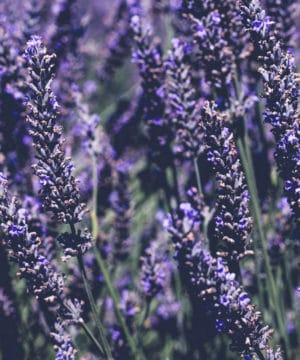
- 10 drops of lavender (50%) for a smooth, calming heart
- 4 drops of cedarwood (20%) for a grounding, woody base
Here, the lavender bridges the gap between the fleeting citrus top and the dry cedar base, while the cedarwood anchors the entire scent to the skin. To stock your workbench with versatile essentials, check out our guide to the top 5 essential oils for DIY perfumers.
-
 €4.92 €371.86Price range: €5.95€4.92 through €449.95€371.86 incl. VAT inc. VATExcl. VATSelect options This product has multiple variants. The options may be chosen on the product page
 -
 €3.26 €495.83Price range: €3.95€3.26 through €599.95€495.83 incl. VAT inc. VATExcl. VATSelect options This product has multiple variants. The options may be chosen on the product page
 -
 €3.26 €495.83Price range: €3.95€3.26 through €599.95€495.83 incl. VAT inc. VATExcl. VATSelect options This product has multiple variants. The options may be chosen on the product page


Matching Fragrance Families with the Fragrance Wheel
Beyond volatility and evaporation speed, a scent’s olfactory profile determines how well it blends with other ingredients. Perfume expert Michael Edwards established the fragrance wheel, grouping scents into four overarching families: Floral, Amber (formerly Oriental), Woody, and Fresh. Each family breaks down into subfamilies that make it easy to identify natural pairings:
- Neighboring families share common tonal qualities and blend seamlessly. For instance, a zesty citrus top note flows effortlessly into an aromatic or herbal heart, yielding a fresh, unified profile.
- Opposing families sit across from one another on the wheel and create dynamic tension—such as pairing an effervescent citrus note with a dark, resinous amber base. These combinations offer striking contrast, but require precise measurement so the notes complement rather than clash with each other.
When formulating with contrasting families, choose one clear anchor note for your base and introduce subtle accents from the opposing family to maintain balance and avoid sensory clutter.
Combining Essential Oils and Fragrance Oils
A common question among beginners is whether pure botanical extracts can be blended with synthetic fragrance oils. The answer is an absolute yes. In fact, combining the two often yields the best of both worlds.
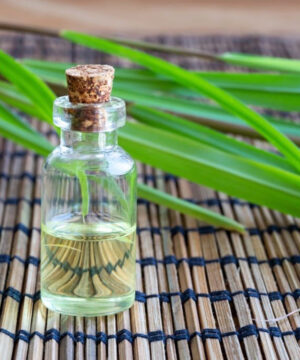
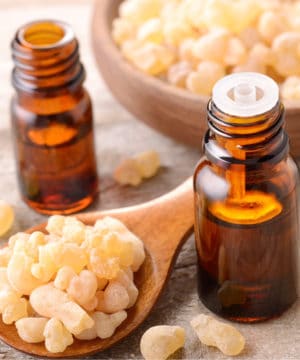
Essential oils deliver authentic botanical nuance, depth, and therapeutic complexity. However, certain aromatic profiles—such as luscious fruits, marine notes, or rich, sweet gourmands—simply cannot be captured through traditional distillation or extraction. Premium fragrance oils bridge these gaps seamlessly. In addition, synthetic oils offer superior stability under high temperatures and high pH levels, making them far better suited to hot candle wax and cold process soapmaking. For example, pairing an earthy botanical like Java vetiver or frankincense essential oil with a warm sandalwood vanilla fragrance oil creates an exceptionally rich, enduring accord.
-
 €10.70 €710.70Price range: €12.95€10.70 through €859.95€710.70 incl. VAT inc. VATExcl. VATSelect options This product has multiple variants. The options may be chosen on the product page
 -
 €6.57 €991.69Price range: €7.95€6.57 through €1,199.95€991.69 incl. VAT inc. VATExcl. VATSelect options This product has multiple variants. The options may be chosen on the product page
 -
€2.44 €70.21Price range: €2.95€2.44 through €84.95€70.21 incl. VAT inc. VATExcl. VATSelect options This product has multiple variants. The options may be chosen on the product page
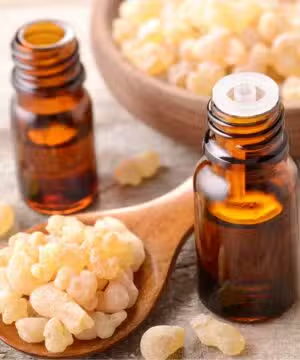

For practical tips on crafting complex accords, read our guide on blending fragrance oils for perfume. If you prefer formulating exclusively with botanicals, explore our beginner’s guide to making perfume with essential oils. You can also browse our dedicated collections of perfume fragrance oils, essential oils for perfume, and essential oils for aromatherapy.
Step-by-Step: Building Your Own Blend
Developing a balanced perfume formula requires an intentional, organized approach. Follow these steps to take your fragrance from an initial idea to a finished blend:
- Define your concept: Pick a dominant theme and an anchor note to establish the main personality of your fragrance.
- Build the structure: Select supporting heart and top notes to frame your anchor, keeping the 30/50/20 rule in mind.
- Weigh your ingredients: Measure by weight in grams using a precision scale rather than counting drops; this ensures your formula is consistent and reproducible.
- Select your carrier: Use a neutral carrier oil like jojoba for roll-on perfumes, or cosmetic-grade perfumer’s alcohol for fine-mist sprays.
- Incorporate a fixative: If your formula features fleeting top notes, add a solvent or fixative to extend wear. Learn how natural resins and DPG stabilize scent molecules in our article on using perfume fixatives.
-
 €7.40 €1,900.83Price range: €8.95€7.40 through €2,300.00€1,900.83 incl. VAT inc. VATExcl. VATSelect options This product has multiple variants. The options may be chosen on the product page
For an alcohol-based spray, diluting 15% to 20% fragrance concentrate in perfumer’s alcohol will produce a classic, long-lasting Eau de Parfum. Refer to our guide on fragrance concentrations and dilution to calculate the exact ratios for your target strength, and find high-grade diluents in our selection of perfume bases.
Maturation and IFRA Safety Standards
Patience is just as crucial to perfumery as great raw materials. Once you combine your fragrance concentrate with your carrier base, the individual aromatic compounds need time to marry and stabilize—a process known as maceration. Store your blend in an airtight amber or dark glass bottle away from direct light and heat. While 48 hours is the bare minimum for initial resting, your perfume’s true depth, smoothness, and complexity will only emerge after two to four weeks.
Safety should always remain your top priority when formulating for the skin. Always consult the standards set by the International Fragrance Association (IFRA) to ensure every component falls within safe dermal limits for its intended product category. Before applying any new blend generously, perform a patch test on the inside of your elbow and wait 24 hours to rule out skin sensitivities.
Ready to start designing your own bespoke scents? Explore our full range of raw ingredients, bases, and tools for perfume making and bring your aromatic visions to life.


