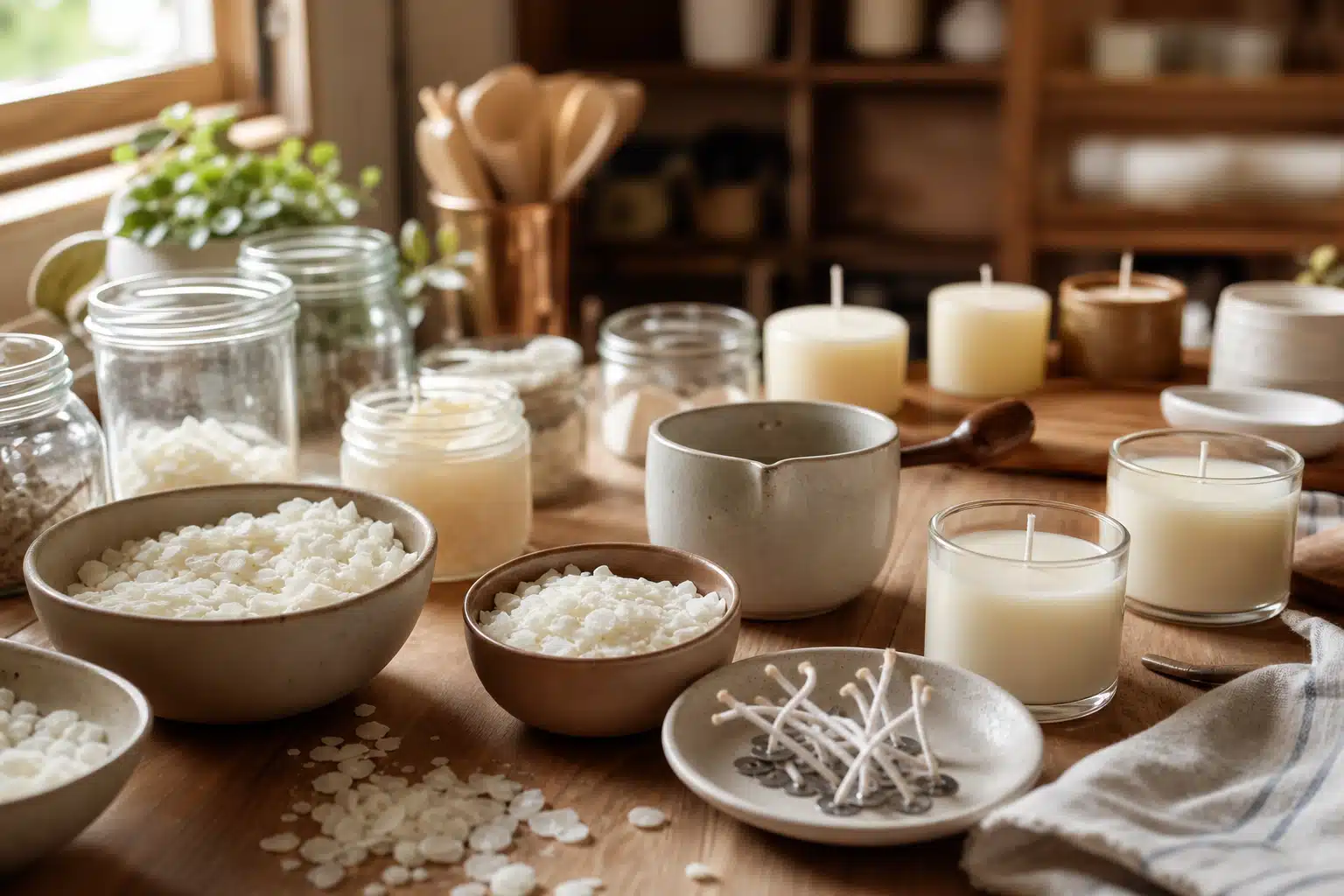
Zelf kaarsen maken met natuurlijke was

Environmentally Friendly Candle Making: Choosing the Right Wax and Fragrance Oil.

Thuis zelf kaarsen maken is niet alleen een hobby meer. Voor veel makers is het een manier om even rustig aan te doen, bewuster te zijn van wat ze in huis halen en weer in contact te komen met natuurlijke materialen. De juiste ingrediënten kiezen om je eigen kaarsen te maken is niet alleen een […]

Hoe maak je een kaars? De complete stap-voor-stap gids

How to Make Candles: The Complete Step-by-Step Guide

Have you ever looked at a high-end scented candle and thought, “I could do that, but better?” You’re certainly not alone. Making your own candles is one of those hobbies that starts with a spark of curiosity and often turns into a genuine passion for fragrance, design, and aesthetics. At first glance, it seems simple enough: melt some wax, toss in a string, and you’re done.

Hoeveel geurolie in kaarsen gebruiken: de exacte formule voor een sterke geur

How Much Fragrance Oil to Use in Candles: The Exact Formula for a Strong Scent

You’ve just poured a beautiful candle and waited impatiently for days for it to cure. You finally light it… and smell absolutely nothing. Or worse: the oil is floating on top of your creation like dangerous beads of sweat. The secret to a great scented candle isn’t just adding a “splash extra to be safe.” It comes down to precision and the chemistry between your wax and the fragrance.

Sojawas vs. paraffinewas: welke moet je kiezen voor jouw kaarsen?

Soy Wax vs. Paraffin Wax: Which Should You Choose for Your Candles?

Are you ready to start making your own candles, but stuck staring at your digital cart, debating which bag of wax to buy? You aren’t alone. The soy vs. paraffin debate is easily the most contested topic in the candle-making community. Is paraffin really the villain some blogs make it out to be? And is soy automatically the best choice for an eco-friendly product?

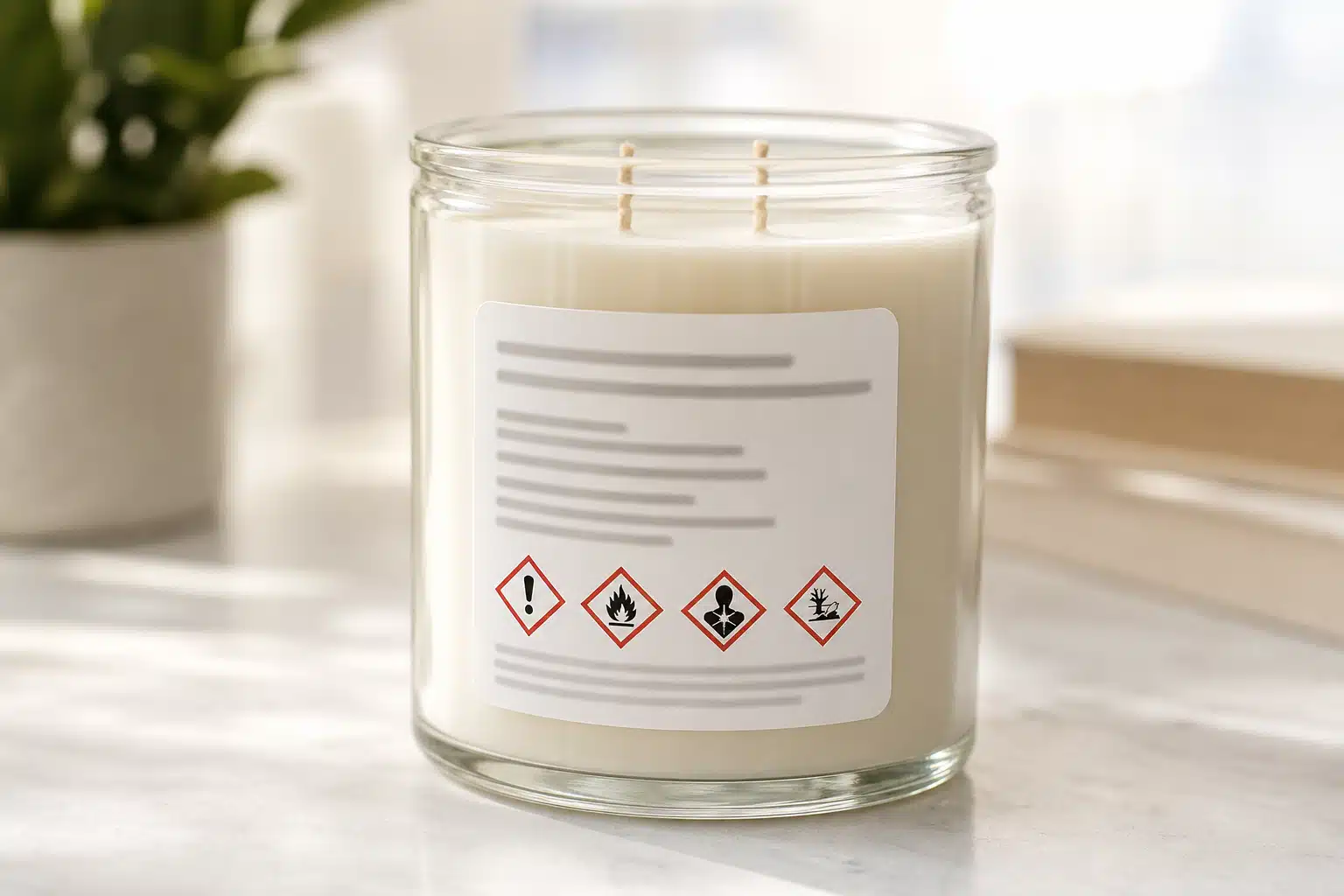
Zijn kaarsen in glas veilig? Zo voorkom je barsten en brandgevaar

Are Glass Jar Candles Safe? How to Prevent Cracks and Fire Hazards

You’ve just spent hours pouring the perfect candle. The scent is lovely, the top is smooth, and you’re ready to enjoy it. But after burning it for a few hours, you hear a terrifying *crack*. The glass has fractured or, worse, shattered completely. It is every maker’s nightmare.

Kaars tunneling oplossen: zo red je jouw kaars van de afgrond

Fixing Candle Tunneling: How to Save Your Candle

You’ve probably been there. You buy (or make!) a beautiful new candle, light it, and settle in to enjoy the ambiance. But after a few hours, you notice something frustrating: the flame is burrowing straight down the center. The edges remain hard and unmelted, leaving you with a thick wall of wasted wax while the wick drowns in a deep pit. This phenomenon is called ’tunneling,’ and it’s the nightma

Kaarsen kleuren: van kleurstof kiezen tot problemen oplossen

Candle Coloring: A Guide to Dyes, Techniques, and Troubleshooting

There is something timeless about a classic white candle, but let’s be honest: sometimes you just want more. Whether it’s a deep burgundy for the holiday table or a soft pastel blue for spring, color adds a specific atmosphere to your space. Perhaps you’ve felt creative and tried melting down old crayons (spoiler: don’t do it), or maybe you’ve watched a beautiful purple candle turn a dull grey aft

Zo voer je een veilige kaars brandtest uit en voorkom je gevaarlijke missers

How to Conduct a Proper Candle Burn Test and Avoid Safety Hazards

You’ve just poured the perfect candle. The scent is divine, the vessel looks sleek, and the wax has cured to a smooth finish. But before you light, sell, or gift your creation, there is one crucial question you must answer: is it safe? Fundamentally, a candle is an open flame inside a home. Without proper testing, that cozy ambiance can quickly turn dangerous, leading to shattered glass or a flash

Op welke temperatuur voeg je geurolie toe voor de beste geurverspreiding?

Adding Fragrance Oil to Candles: Mastering Temperature and Timing

You’ve probably been there before. You spend hours melting, pouring, and letting a beautiful new candle cure. You light it with high hopes, wait for the wax to melt, and… nothing. You smell almost nothing. Or worse, there’s a greasy layer of oil floating on top of your candle. It is frustrating, but fortunately, it is also easy to fix.

Natte plekken in je sojakaars: oorzaken en oplossingen

Wet Spots in Your Soy Candle: Causes and Solutions

You’ve just poured the perfect batch of candles. The tops are glass-smooth, the scent throw is fantastic, and you’re proud of the result. But the next morning, you check the side of the jar and see strange blotches. It looks like water is trapped between the wax and the glass, or like the wax is peeling away in certain areas.