
Few scents evoke an immediate sense of calm quite like lavender. Unsurprisingly, it has long been a favorite among soap makers and handcrafted cosmetic formulators. Yet, working with pure essential oils requires care; improper use can easily lead to skin redness and irritation. With a few practical guidelines, you can safely incorporate this soothing botanical into your own formulations. But which variety should you choose, and how should you calculate your ratios?
The Difference Between True Lavender and Lavandin
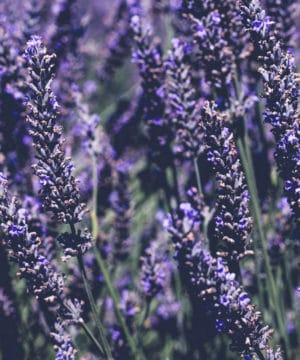
Before you start formulating, it helps to understand the botanical distinctions. True lavender, botanically classified as Lavandula angustifolia, is steam-distilled from freshly harvested flowering tops. Its chemical profile is rich in linalyl acetate and linalool, producing a soft, rounded, floral bouquet ideal for evening self-care rituals. For deeper insights into its botanical characteristics, explore our guide to lavender applications.
By contrast, lavandin (Lavandula × intermedia) is a naturally occurring hybrid cultivated at lower altitudes. It contains a noticeably higher concentration of camphor, yielding a crisper, more invigorating scent. While lavandin excels in clarifying soaps and natural household cleaners, Lavandula angustifolia remains the gold standard for gentle skincare and restorative relaxation.
-
 €3.26 €495.83Price range: €3.95€3.26 through €599.95€495.83 incl. VAT inc. VATExcl. VATSelect options This product has multiple variants. The options may be chosen on the product page


Safe Dilution and Skin Protection
Essential oils should never be applied directly to the skin in their pure form, as neat application frequently causes irritation, redness, or long-term sensitization. For daily-use body care products intended for adults, aim for a 1 to 2 percent dilution rate. This works out to approximately 6 to 12 drops of lavender oil per 30 ml (1 fl oz) of carrier oils and plant butters, such as jojoba or sweet almond oil.
For facial formulations, keep your dilution between 0.5 and 1 percent to account for more delicate skin. Always perform a patch test on your inner elbow and wait 24 hours before applying any new formulation over larger areas. Fortunately, lavender oil is non-phototoxic, making it perfectly safe for daytime wear. Discover more about safe blending ratios in our guide on how to dilute essential oils and review our comprehensive overview of essential oil safety guidelines.
Using Lavender in Soap and Bath Products
In cold process soap making, delicate floral notes can easily dissipate during the multi-week cure. Experienced soap makers overcome this by anchoring lavender with heavier base notes—such as cedarwood, resins, or deeper herbal scents—which slow the evaporation of the more volatile top notes. Lavender also blends seamlessly with uplifting citrus oils and fresh garden herbs. If you are weighing natural extracts against fragrance compounds, consult our guide on fragrance oil vs. essential oil.
-
 €14.83 €15,323.93Price range: €17.95€14.83 through €18,541.95€15,323.93 incl. VAT inc. VATExcl. VATSelect options This product has multiple variants. The options may be chosen on the product page
 -
 €4.09 €198.31Price range: €4.95€4.09 through €239.95€198.31 incl. VAT inc. VATExcl. VATSelect options This product has multiple variants. The options may be chosen on the product page
 -
 €3.26 €495.83Price range: €3.95€3.26 through €599.95€495.83 incl. VAT inc. VATExcl. VATSelect options This product has multiple variants. The options may be chosen on the product page
 -
 €6.57 €991.69Price range: €7.95€6.57 through €1,199.95€991.69 incl. VAT inc. VATExcl. VATSelect options This product has multiple variants. The options may be chosen on the product page
 -
 €3.26 €2,479.34Price range: €3.95€3.26 through €3,000.00€2,479.34 incl. VAT inc. VATExcl. VATSelect options This product has multiple variants. The options may be chosen on the product page



When formulating bath bombs or bath salts, always pre-blend lavender oil with a carrier oil or disperse it thoroughly into a base like Epsom salt. Because essential oils are hydrophobic, stray drops will simply float on the water’s surface, creating concentrated pools that can irritate sensitive skin. Using an appropriate carrier or solubilizer ensures the oil disperses safely and evenly throughout the bath.
Creating Ambiance with Diffusers and Room Mists
Diffusion is one of the simplest ways to enjoy the therapeutic benefits of lavender. Adding 3 to 6 drops to an ultrasonic diffuser creates a fine, calming mist that transforms any room. Rather than running your diffuser continuously, operate it in 30- to 60-minute intervals. Intermittent diffusion is significantly more effective and keeps your senses from experiencing olfactory fatigue. Explore our curated range of aroma diffusers and read our expert tips for aromatherapy with natural oils.
To make a simple linen or pillow spray, combine distilled water with a splash of high-proof alcohol and your lavender oil. The alcohol helps solubilize the oil droplets and ensures the mist dries quickly without staining fabrics, leaving behind a faint, relaxing aroma to help you unwind at night.
Preserving the Quality of Your Lavender Oil
Essential oils are sensitive to heat, light, and ambient air. Over time, oxygen alters their delicate chemistry, creating oxidation byproducts like peroxides that substantially increase the chance of skin sensitization. You can usually spot oxidized lavender by a sharp, sour, or medicinal note that replaces its sweet, herbaceous scent.
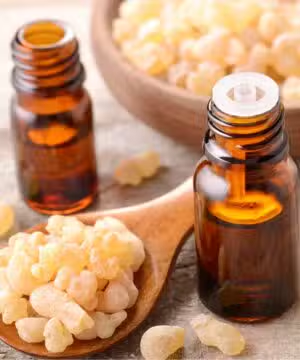
Protect your oils by storing them in dark amber glass bottles kept in a cool, dark cupboard, and always recap them tightly right after use. Stored properly, an opened bottle of lavender oil will maintain its peak aromatic and therapeutic qualities for one to two years. For more shelf-life best practices, refer to our practical advice on how to store essential oils.
With careful dilution and conscientious storage, you can safely introduce this versatile botanical into your self-care ritual. Browse our complete collection of essential oils to start planning your next DIY creation.


