
Standing before your workspace and torn between a bottle of cotton candy scent and pure French lavender for your next candle? While both deliver fantastic aromas, they behave very differently in practice. Your choice directly affects the quality, longevity, and safety of your finished creations. Whether you are curing cold process soap, pouring soy candles, or blending custom reed diffusers, knowing when to reach for fragrance oils versus essential oils makes all the difference in how your recipe performs under heat, interacts with lye, and throws its scent.
What Exactly Is Fragrance Oil?
Fragrance oils are custom-designed aromatic compounds created in a laboratory. Perfumers formulate them by blending synthetic aroma components with natural aromatic isolates to achieve precise scent profiles. Their standout advantage is versatility: fragrance oils can recreate evocative scents that simply cannot be extracted directly from nature, such as sea salt, fresh-baked sugar cookies, or clean linen. Most premium fragrance oil selections from YouWish are 100% phthalate-free and rigorously tested for safe cosmetic and home fragrance applications.
-
€2.44 €66.07Price range: €2.95€2.44 through €79.95€66.07 incl. VAT inc. VATExcl. VATNotify me when in stock This product has multiple variants. The options may be chosen on the product page
-
 €1.81 €13.58Price range: €2.19€1.81 through €16.43€13.58 incl. VAT inc. VATExcl. VATSelect options This product has multiple variants. The options may be chosen on the product page
 -
€2.44 €276.86Price range: €2.95€2.44 through €335.00€276.86 incl. VAT inc. VATExcl. VATSelect options This product has multiple variants. The options may be chosen on the product page



Consistency is another major benefit. Because they follow precise chemical formulations, every bottle smells identical from one batch to the next. This reliability is essential for small businesses and hobbyists who need uniform results every time. Fragrance oils are also engineered to withstand high temperatures, making them exceptionally stable in hot wax.
What Is Essential Oil?
Essential oils are pure botanical extracts obtained directly from plant material through steam distillation, cold pressing, or solvent extraction. Sourced from flowers, leaves, bark, citrus rinds, or roots, choosing an essential oil means working with 100% natural aromatics—whether that is the crisp clarity of eucalyptus, the bright punch of cold-pressed sweet orange, or the soothing floral depth of true lavender.
-
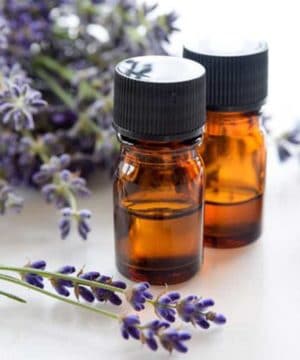
 €3.26 €495.83Price range: €3.95€3.26 through €599.95€495.83 incl. VAT inc. VATExcl. VATSelect options This product has multiple variants. The options may be chosen on the product page
 -
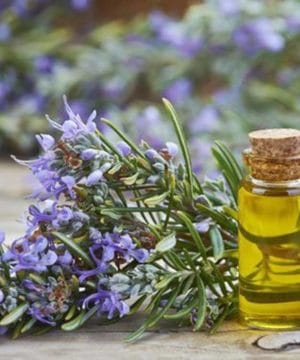
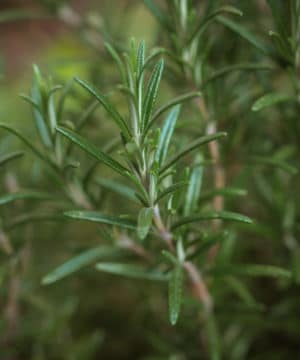 €3.26 €495.83Price range: €3.95€3.26 through €599.95€495.83 incl. VAT inc. VATExcl. VATSelect options This product has multiple variants. The options may be chosen on the product page
 -
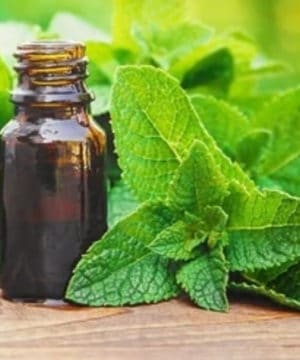 €3.26 €495.83Price range: €3.95€3.26 through €599.95€495.83 incl. VAT inc. VATExcl. VATSelect options This product has multiple variants. The options may be chosen on the product page


Because essential oils capture the natural aromatic compounds of living plants, they are the gold standard for aromatherapy and holistic wellness goods. Keep in mind that as true agricultural products, their scent profiles fluctuate naturally with harvest years, weather patterns, and soil conditions. A batch of lavender distilled after a hot, dry summer might lean sweeter and more floral, while another harvest may smell sharper and more herbaceous. They are potent, highly concentrated botanicals that must always be measured with care.
Key Differences at a Glance
The distinction between these two aromatic options comes down to their origins, longevity, and chemical behavior.
Origin and Composition
Fragrance oils are synthetic or hybrid blends combining man-made notes with plant-derived isolates, granting limitless room for imaginative scent design. Essential oils, by contrast, are harvested entirely from plant material. If you want the best of both worlds, natural fragrance oils offer an appealing middle ground; these are formulated exclusively from plant-derived aromatic isolates in accordance with the ISO 9235 standard.
-
 €4.09 €231.36Price range: €4.95€4.09 through €279.95€231.36 incl. VAT inc. VATExcl. VATSelect options This product has multiple variants. The options may be chosen on the product page
 -
 €4.09 €231.36Price range: €4.95€4.09 through €279.95€231.36 incl. VAT inc. VATExcl. VATSelect options This product has multiple variants. The options may be chosen on the product page
Scent Strength and Stability
Fragrance oils tend to be stronger, heavier, and far more tenacious. In a bar of cold process soap curing on the drying rack for six weeks, a well-formulated fragrance oil holds onto its vibrant aroma effortlessly. Essential oils are much more volatile: their lighter chemical fractions evaporate quickly when exposed to heat, air, or high pH environments. Consequently, you may need a higher concentration of essential oil to match the strength of a synthetic blend, or simply accept a softer, more subtle finish that fades faster.
Therapeutic Value vs. Pure Aroma
Essential oils are celebrated for their authentic aromatherapeutic properties, from easing tension and promoting restful sleep to clearing mental clutter. Fragrance oils offer no such physiological benefits—they are formulated purely for sensory enjoyment. If you are creating a soothing bedtime massage bar or a therapeutic bath oil, essential oils are the right match. If your goal is a candle that fills an entire home with the mouthwatering smell of spiced pumpkin bread, fragrance oil is the clear winner.
Performance in Your DIY Projects
How your finished project performs comes down to how and when you add your scent during the making process.
Candle Making
Excess heat is the biggest threat to candle scent throw. When making candles with fragrance oils, standard usage rates generally fall between 6% and 10% of the total wax weight. Because they are engineered for candles, these oils integrate cleanly with liquid wax without degrading under typical pouring temperatures.
Working with essential oils in candles demands extra care. Many essential oils have relatively low flash points, so it is best to stir them in only after the melted wax has cooled to roughly 60°C–65°C (140°F–149°F). This prevents volatile top notes from evaporating into the air before the candle sets. Stir the wax gently and steadily for a full two minutes to ensure the oil binds properly throughout the wax pool.
Soap Making
During cold process saponification, scents have to survive harsh alkaline conditions and sudden temperature spikes. Many essential oils—citrus varieties in particular—fade quickly or burn off entirely as the soap cures. Fragrance oils tested for cold process soap maintain their scent integrity far better. However, always check the oil’s vanillin content beforehand: vanillin oxidizes during curing, naturally darkening your soap batter to tan, caramel, or deep brown.
Reed and Ultrasonic Diffusers
Both types of oil shine in diffusers, depending on what you want to achieve. When choosing fragrance oil for your diffuser, the objective is usually consistent, room-filling perfumery that lasts for months. Essential oils are favored when the focus is mood, relaxation, or fresh indoor air.
If you use an ultrasonic water diffuser, run it in well-ventilated spaces on an intermittent timer—such as 30 minutes on, 60 minutes off—to avoid sensory overload and respiratory fatigue. When diffusing essential oils in a diffuser, always verify pet safety beforehand; dogs and cats metabolize plant compounds differently and are particularly vulnerable to oils such as tea tree, eucalyptus, and pennyroyal.
-
 €3.26 €495.83Price range: €3.95€3.26 through €599.95€495.83 incl. VAT inc. VATExcl. VATSelect options This product has multiple variants. The options may be chosen on the product page
 -
 €3.26 €495.83Price range: €3.95€3.26 through €599.95€495.83 incl. VAT inc. VATExcl. VATSelect options This product has multiple variants. The options may be chosen on the product page


How to Choose the Right Oil
- Want a purely botanical, all-natural formulation? Go with essential oils.
- Want a powerful, long-lasting aroma that lingers for months? Choose fragrance oils.
- Formulating for aromatherapy and functional wellness? Pick essential oils.
- Craving complex, artistic blends like “Warm Cashmere” or “Lime Basil”? Select fragrance oils.
- Producing large batches on a budget? Fragrance oils are typically far more economical per milliliter.
Regardless of your pick, always follow safe essential oil safety practices and consult IFRA standards for fragrance oils. These guidelines dictate safe maximum usage rates according to your specific product type, whether it is formulated for leave-on skincare or ambient room fragrance.
Frequently Asked Questions
Can you blend essential oils and fragrance oils together?
Yes, blending the two is a great way to build depth. Many artisans use an essential oil as a natural, grounding base note and layer in a fragrance oil to round out the top notes and improve scent longevity. Just calculate your maximum safe usage percentages for each component individually.
Why is the scent throw in my essential oil candle so light?
Essential oils have high volatility and naturally produce a lighter cold throw (the scent when unlit). To get the best possible hot throw, let your poured candles cure in a cool, dark place for one to two weeks so the oils have adequate time to bind completely with the wax structure.
Are synthetic fragrance oils bad for you?
Not when they are cosmetic-grade and sourced from trusted suppliers. Quality fragrance oils are strictly regulated and checked for allergens and harmful chemicals like phthalates. Conversely, pure essential oils can also trigger skin irritation or allergic sensitization if used undiluted or in excessive amounts. Safe crafting always comes down to accurate measuring and proper formulation.
-
 €3.26 €371.86Price range: €3.95€3.26 through €449.95€371.86 incl. VAT inc. VATExcl. VATSelect options This product has multiple variants. The options may be chosen on the product page
 -
 €6.57 €991.69Price range: €7.95€6.57 through €1,199.95€991.69 incl. VAT inc. VATExcl. VATSelect options This product has multiple variants. The options may be chosen on the product page
Both pure botanical essences and expertly engineered fragrance oils have a well-deserved place in handcrafted goods. Pour small test batches, measure your ingredients precisely by weight, and see which medium fits your vision best. Explore our extensive selection of aromatic oils to find the perfect scent for your next DIY creation.


