
We’ve all been there: standing under harsh store lighting, swatching three different shades of beige across the back of your hand, only to realize none of them actually match your face. Worse still, sensitive skin often reacts poorly to the synthetic fillers, silicones, and artificial fragrances packed into conventional cosmetics. While crafting your own foundation might sound like it requires an advanced chemistry degree, the process is surprisingly similar to cooking. With quality cosmetic raw materials, a digital precision scale, and a bit of patience, you can formulate a custom blend that matches your unique skin tone seamlessly.
Why Make Your Own Foundation?
When you make your own makeup products, you gain total control over every single ingredient that touches your face. You get to decide the exact finish, texture, and coverage level. Dry skin drinks up rich plant butters and nourishing oils, while oily or combination skin benefits from oil-absorbing mineral powders. Formulating at home means skipping pore-clogging fillers altogether and creating a staple tailored to your skin’s daily needs. Prefer a lighter, sheerer everyday finish? Explore our guide to natural skin tones.
Essential Ingredients for Your Formula
A well-formulated foundation rests on three fundamental pillars: a nourishing carrier base, coverage and texturizing powders, and concentrated mineral pigments.
The Carrier Base: Nourishment and Structure
For a rich cream foundation, a balanced blend of plant oils and butters serves as the foundation base. Shea butter creates a velvety, stable structure that melts effortlessly upon contact with warm skin. Castor oil lends body and imparts a dewy, healthy radiance, while lighter carrier oils ensure smooth spreadability across the face. Check out our guide to natural ingredients for makeup to discover which oils best complement your complexion.
-

 €7.95 €2,851.20Price range: €7.95€7.95 through €3,449.95€2,851.20 incl. VAT inc. VATExcl. VATSelect options This product has multiple variants. The options may be chosen on the product page
 -
€4.13 €1,330.28Price range: €4.50€4.13 through €1,450.00€1,330.28 incl. VAT inc. VATExcl. VATSelect options This product has multiple variants. The options may be chosen on the product page


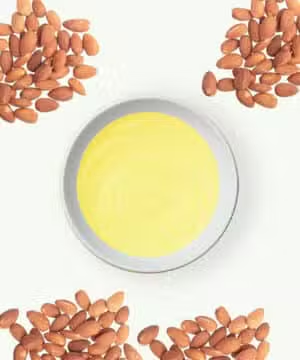

If you prefer a lighter, more fluid consistency, opt for aloe vera gel or floral hydrosols, pairing them with vegetable glycerin to draw and lock in hydration. Ready to equip your home beauty lab? Learn how to assemble your own DIY makeup starter kit.
Powders for Coverage and a Matte Finish
Powders are what transform liquid oils into an opaque, blendable cosmetic:
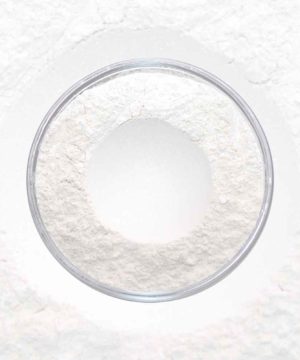
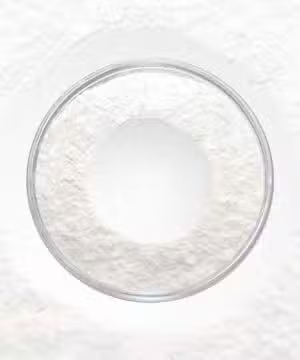
- Non-nano zinc oxide serves as the opaque white base, providing buildable coverage.
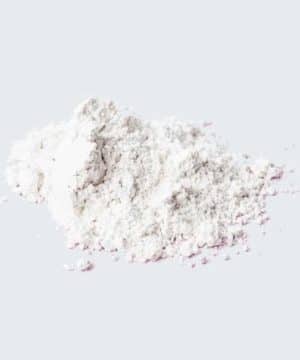
- Cosmetic clays help balance excess sebum throughout the day. For an effective natural powder base, YouWish recommends blending 2 parts arrowroot powder with 0.5 to 1 part cosmetic clay.
- Cornstarch provides a soft-focus matte finish and keeps mid-day shine in check.
-
 €0.79 €299.95Price range: €0.95€0.79 through €299.95€299.95 incl. VAT inc. VATExcl. VATSelect options This product has multiple variants. The options may be chosen on the product page

Color Pigments and Undertones
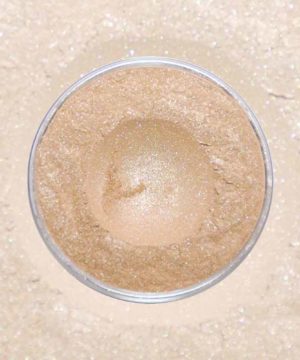
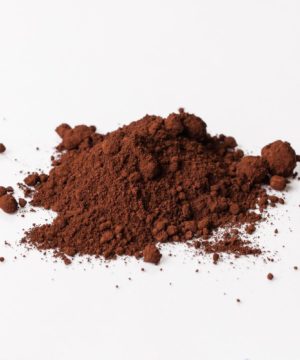
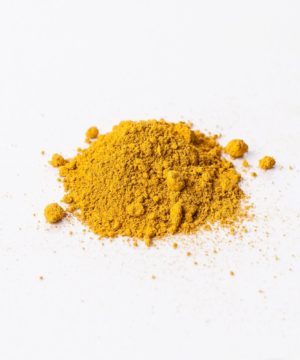
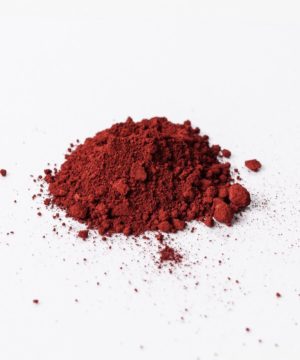
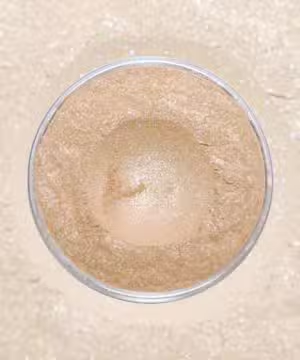
Your custom shade comes together through an intentional combination of mineral pigment powders. While pantry staples like cocoa powder, cinnamon, or turmeric might sound appealing, they are best avoided: they spoil quickly and introduce unwanted bacteria into your formulation. For a touch of subtle luminosity, incorporate cosmetic mica powders. To dive deeper into formulating with mineral oxides, read our guide to mineral makeup for sensitive skin.
-
 €1.95 €27.25Price range: €1.95€1.95 through €27.25€27.25 incl. VAT inc. VATExcl. VATSelect options This product has multiple variants. The options may be chosen on the product page
 -
 €1.95 €27.25Price range: €1.95€1.95 through €27.25€27.25 incl. VAT inc. VATExcl. VATSelect options This product has multiple variants. The options may be chosen on the product page
 -
 €1.45 €7.95Price range: €1.75€1.45 through €7.95€7.95 incl. VAT inc. VATExcl. VATSelect options This product has multiple variants. The options may be chosen on the product page
 -
 €1.45 €289.26Price range: €1.75€1.45 through €350.00€289.26 incl. VAT inc. VATExcl. VATSelect options This product has multiple variants. The options may be chosen on the product page
 -
 €1.45 €7.95Price range: €1.75€1.45 through €7.95€7.95 incl. VAT inc. VATExcl. VATSelect options This product has multiple variants. The options may be chosen on the product page


Step-by-Step Guide: Making a Cream Foundation
This recipe produces a deeply hydrating, medium-coverage cream foundation that works beautifully for normal to dry skin. Because it contains no water, this anhydrous balm formulation has a long, stable shelf life without requiring heavy synthetic preservatives.
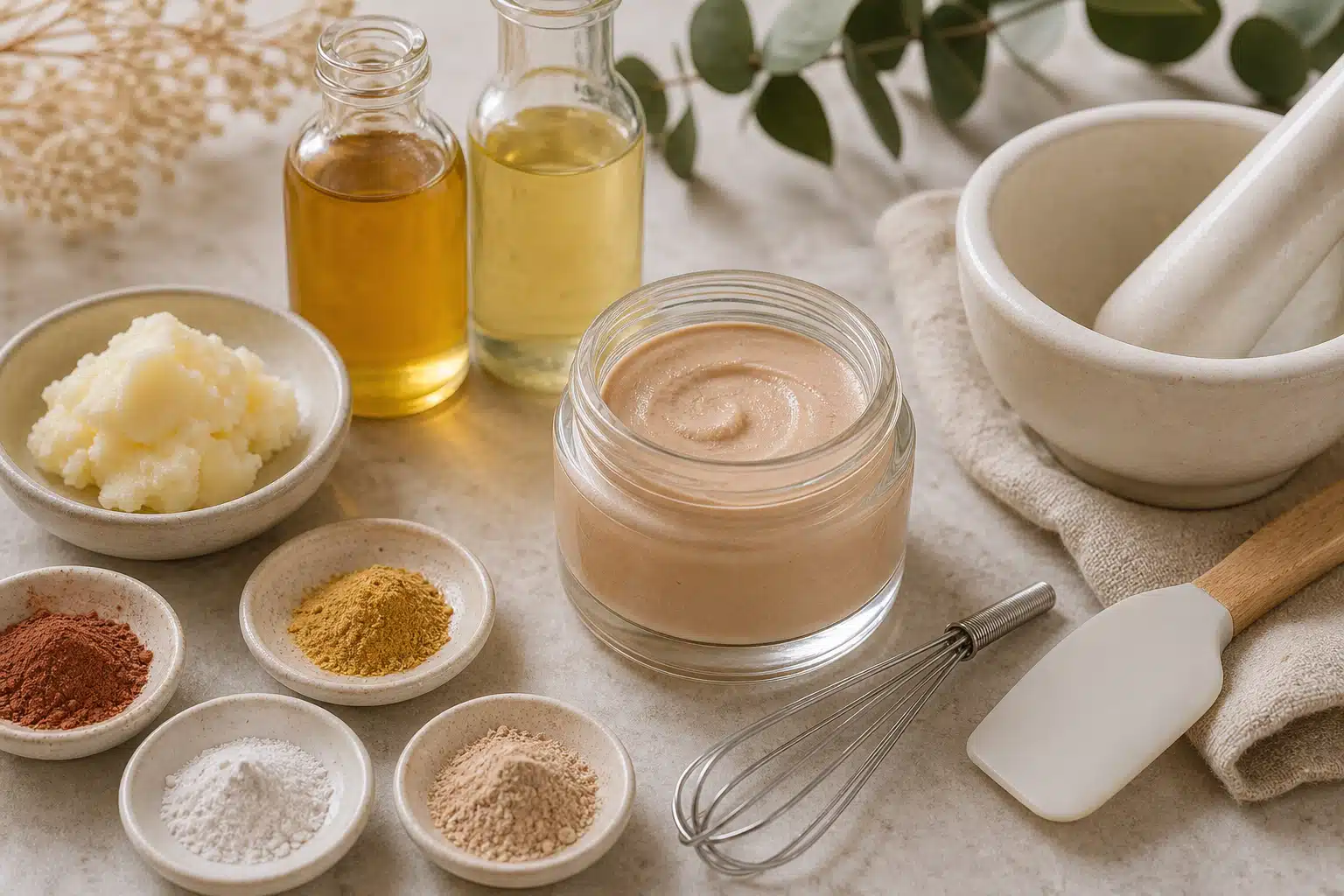
Step 1: Blend the Pigment Mix
Always grind and blend your dry powders thoroughly using a mortar and pestle first. This breaks up pigment agglomerates, ensuring an even color distribution and streak-free application.
- Start with zinc oxide as your opaque base.
- Gradually add small increments of yellow iron oxide, as most complexions require a warm or neutral undertone.
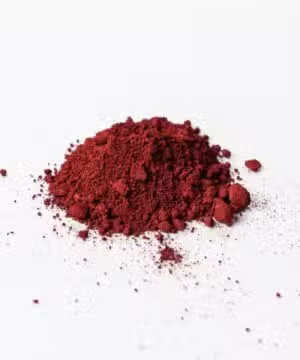
- Work in a tiny pinch of red iron oxide to introduce natural rosiness and warmth.
- Incorporate minute amounts of brown or blue iron oxide to deepen the shade or introduce cooler undertones.
- Swatch the dry powder along your jawline in natural daylight as you blend to check the match.
Step 2: Melt and Combine the Oil Phase
In a heatproof bowl set over a gentle double boiler, melt your shea butter along with any cosmetic waxes until completely liquid. Remove the bowl from the heat and stir in your chosen liquid carrier oils, such as jojoba or sweet almond oil. Interested in learning more about formulating with botanical oils? Read our complete overview on making DIY natural cosmetics at home.
Step 3: Combine and Whisk into a Smooth Cream
Slowly dust your blended pigment powder into the warm oil mixture. Using a mini whisk or electric milk frother, disperse the powders thoroughly to prevent clumping. Continue stirring gently as the formula cools, allowing it to set into a silky, uniform cream.
Working with Water and Aloe Vera Gel
If you prefer formulating a lightweight fluid foundation or skin tint using water, hydrosols, or aloe vera gel, remember that any water-containing formula creates a breeding ground for bacteria, mold, and yeast. Without preservation, a water-based product will spoil within days, even when kept in the refrigerator. Always include an effective broad-spectrum preservative in water-based formulas, along with a thickener like xanthan gum to keep the pigments suspended evenly.
Color Correction Tips
Dialing in your perfect shade requires small adjustments and a steady hand:
- Looking too orange? You used too much red. Counteract it with a touch more yellow or an infinitesimal pinch of blue.
- Looking flat, dull, or ashy? Add a pinpoint amount of red or warm yellow to restore life and warmth.
- Too dark? Lighten the blend by whisking in more zinc oxide.
- Too light? Gradually build depth by adding tiny fractions of your darker pigments.
Packaging and Safe Storage Tips
Transfer your finished foundation into clean, thoroughly sanitized jars or airtight pump dispensers. Pump bottles are the most hygienic option because they protect the product from direct contact with fingertips and airborne bacteria. Keep your container in a cool, dry cabinet away from steam and direct sunlight.
An anhydrous foundation made exclusively with natural oils and butters will stay fresh for up to 6 months. Adequately preserved water-based formulas typically remain stable for 2 to 3 months. For a deeper look at best practices, consult our guide on how to safely store homemade cosmetics.
Are you considering selling your handcrafted creations? Every cosmetic product placed on the European market must comply with rigorous legal frameworks. Be sure to read our breakdown of the EU safety assessment for foundations and makeup to understand the required testing, labeling, and safety dossiers.
Ready to create your true-to-skin shade? Collect your ingredients and begin blending your custom formula today.


