
Learn how to make natural whipped body butter at home. Follow our easy guide using shea butter and plant oils to create a deeply moisturizing skin cream.
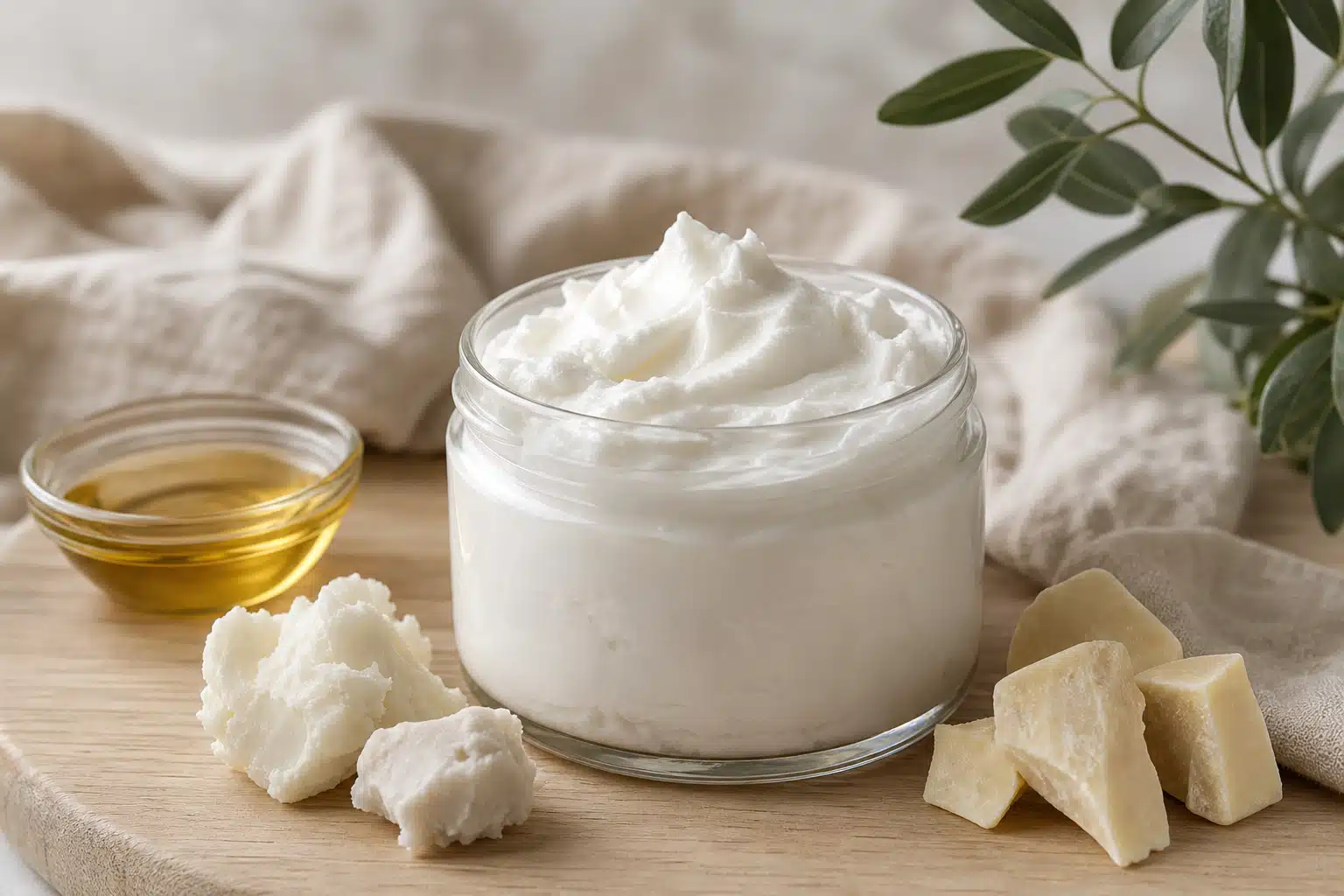
Learn how to make natural whipped body butter at home. Follow our easy guide using shea butter and plant oils to create a deeply moisturizing skin cream.
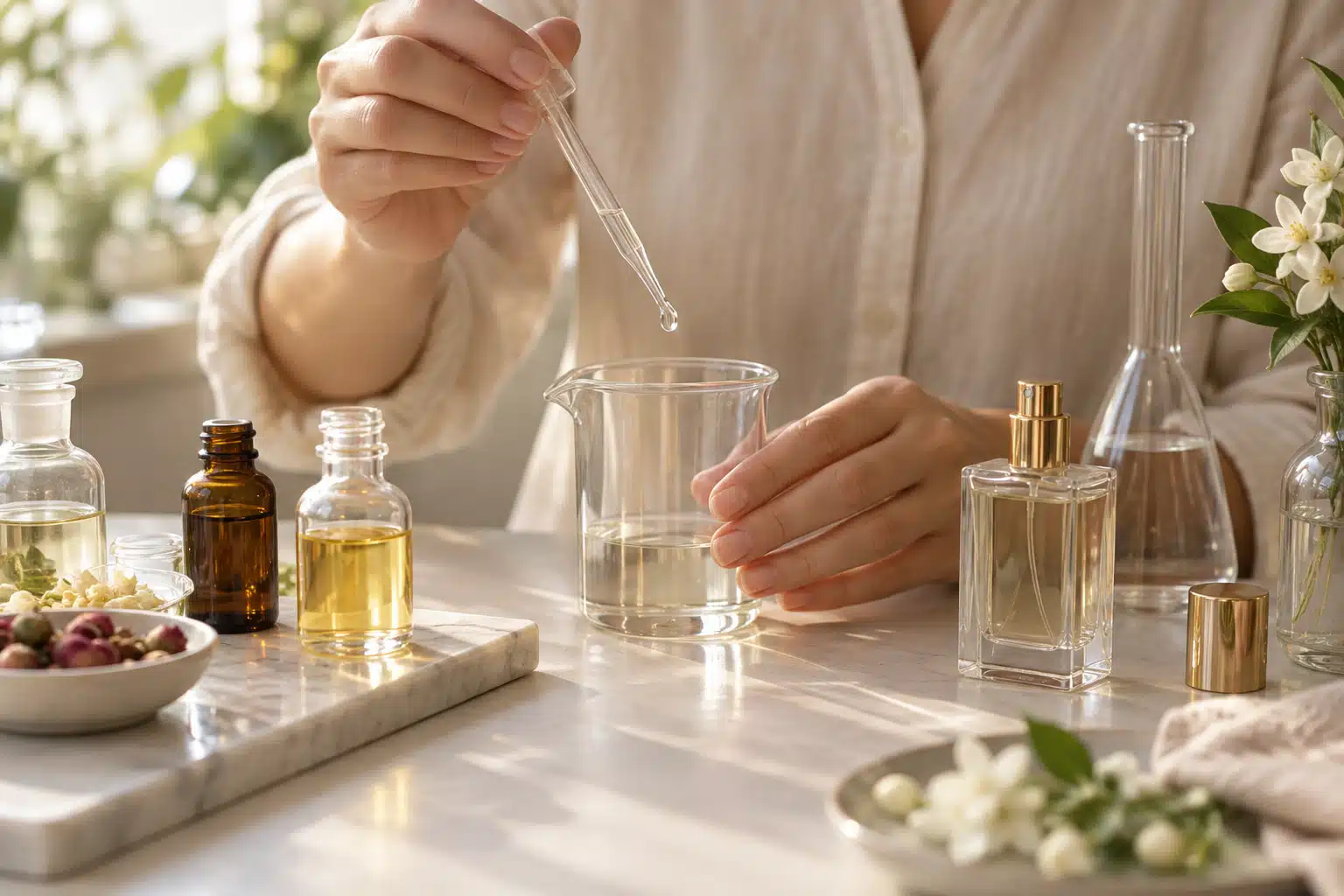
Learn how to make your own eau de toilette at home. Follow our easy step-by-step guide with a 100 ml basic recipe and tips for combining fragrance notes.

What really sets a bar of soap apart? Often, the secret lies in the small details that prove a product was crafted with care. With the right stamp, you can transform a simple bar into a recognizable branded product or a beautiful personalized gift. Whether you’re [making your own soap](https://www.youwish.nl/en/handmade/soap-making/) for the first time or you’ve been pouring batches for years, sta
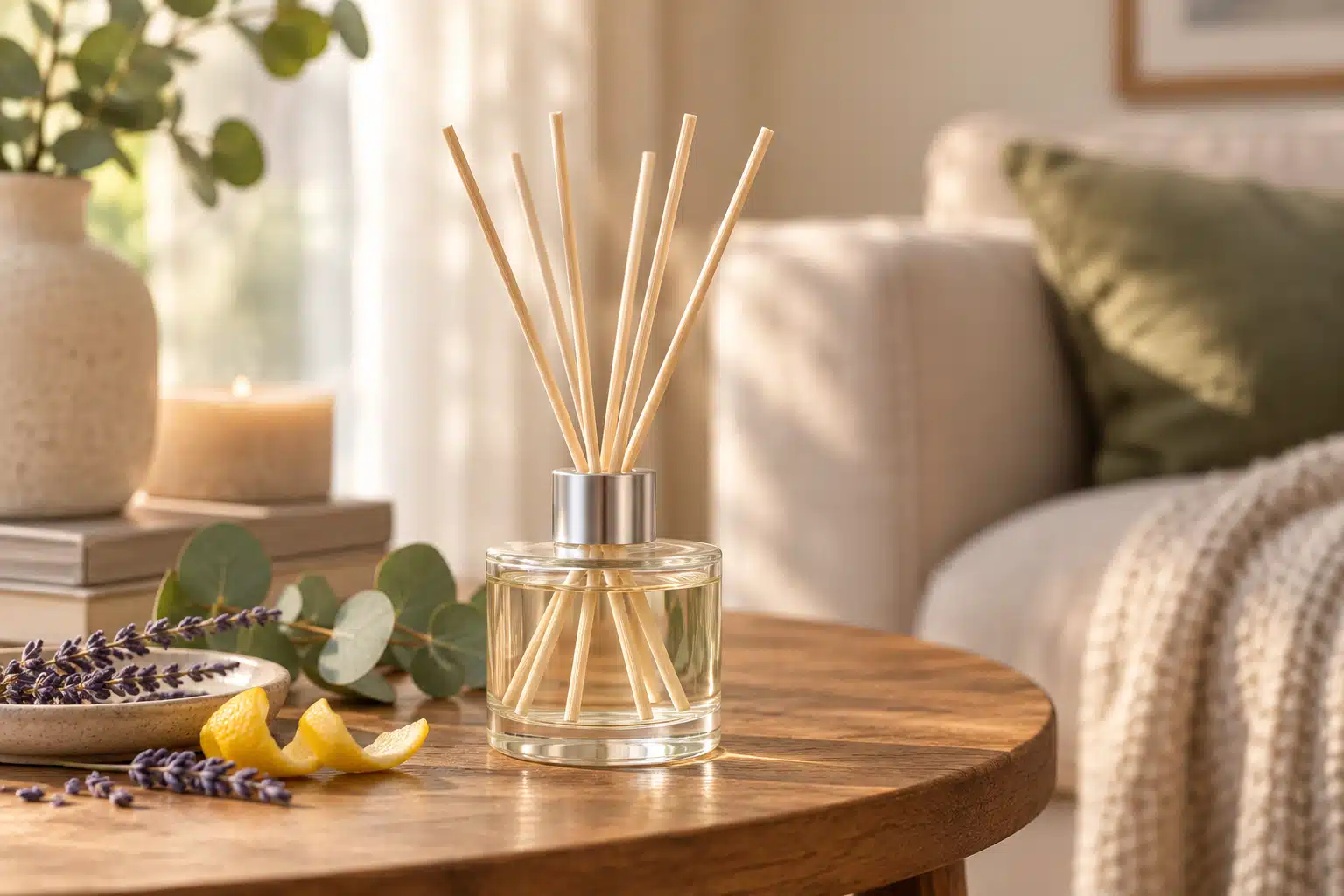
Learn how to make your own reed diffuser at home. Easily combine the right base liquid, fragrance oils, and fiber reeds to create a custom home fragrance.
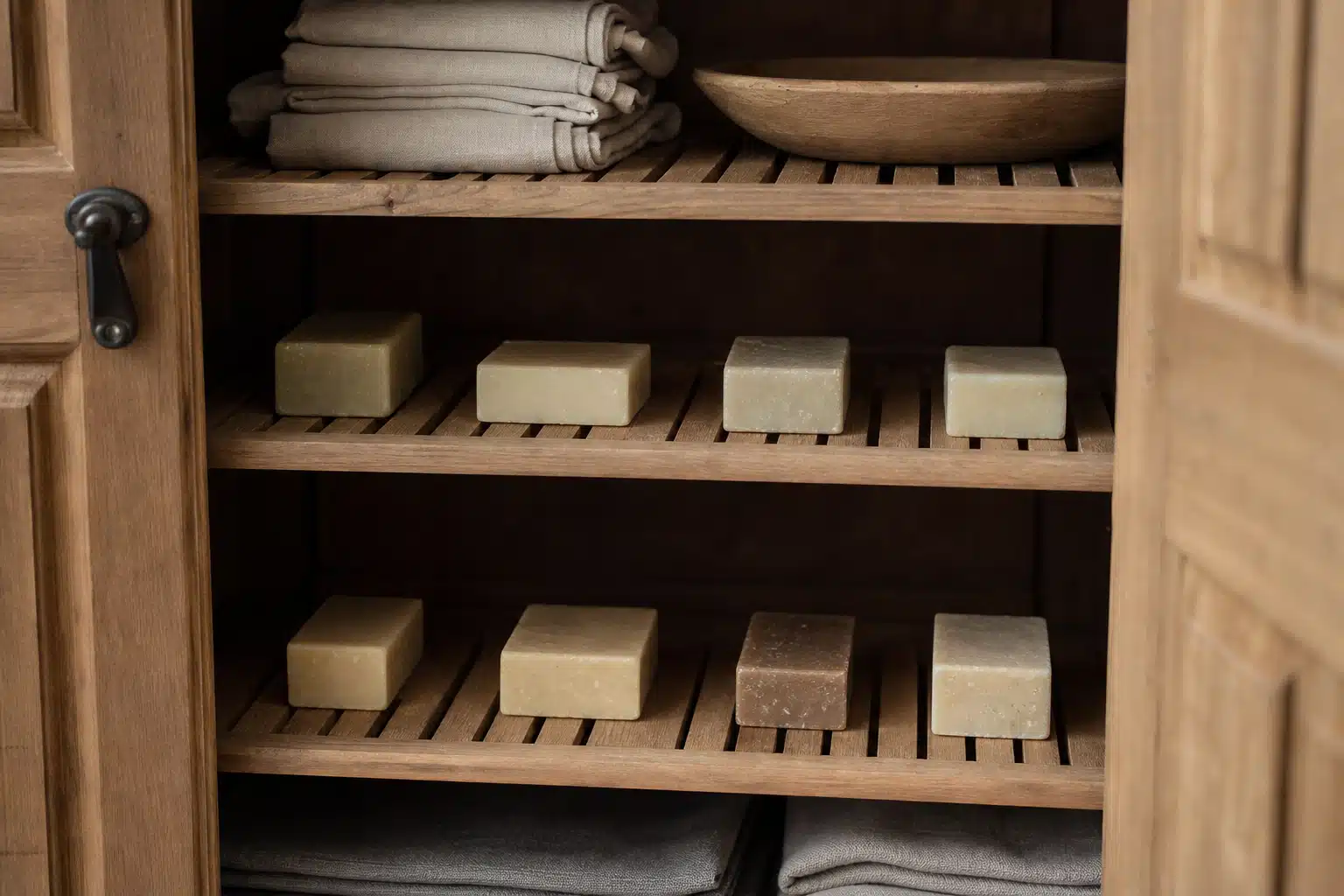
How long does handmade soap last? Discover practical tips for storing cold process and melt-and-pour soap while preventing sweating and orange spots.
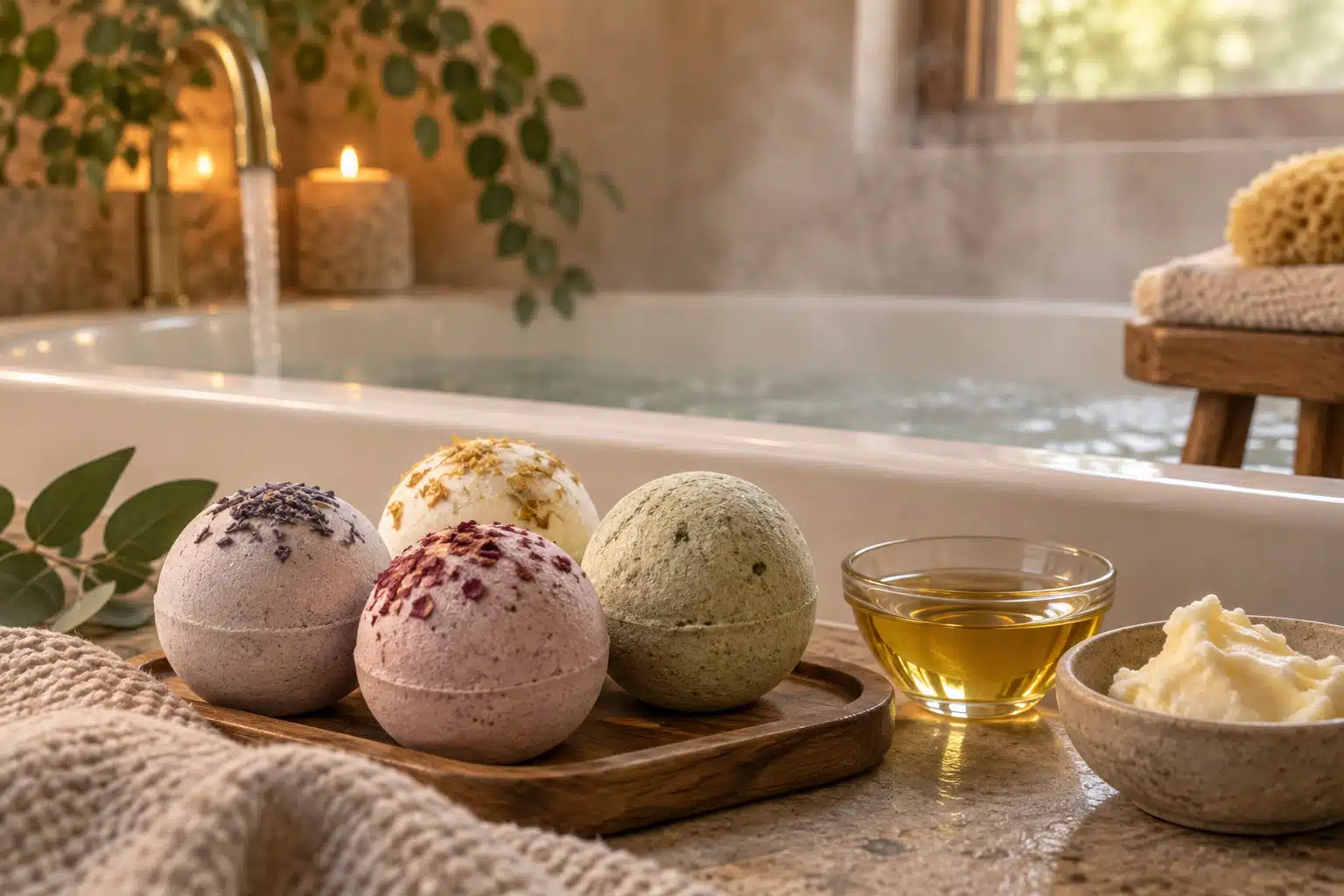
Learn how to add nourishing oils and botanical butters to your bath bombs. Discover the right ratios, emulsifiers, and tips to maintain maximum fizz.

There’s nothing quite like that perfect ‘glow’ to make your skin look instantly awake and luminous. While high-end brands often charge a premium for tiny bottles of highlighter, those products are frequently packed with synthetic fillers and silicones. Why settle for those when you can create a superior version at home? By combining high-quality base oils with the right mica, you can whip up a cus

Easily make your own natural blush for a fresh, healthy glow. Discover the ingredients, botanical pigments, and formulas that suit your skin type.

Make your own natural mascara free from harmful ingredients. This safe, water-free recipe uses castor oil and beeswax to nourish and define your lashes.

You’ve decided to start making your own makeup. Perhaps you want to know exactly what you’re putting on your skin, or maybe you’re committed to a more sustainable lifestyle. You’re scanning a recipe for a beautiful red lipstick and notice “CI 75470” on the list. It sounds like a harmless, technical serial number—until you discover it’s actually carmine, a pigment made from crushed cochineal insect


