
Learn how to store essential oils to keep your stash fresh. Discover shelf life by type, the role of amber glass, refrigeration, and spotting oxidation.
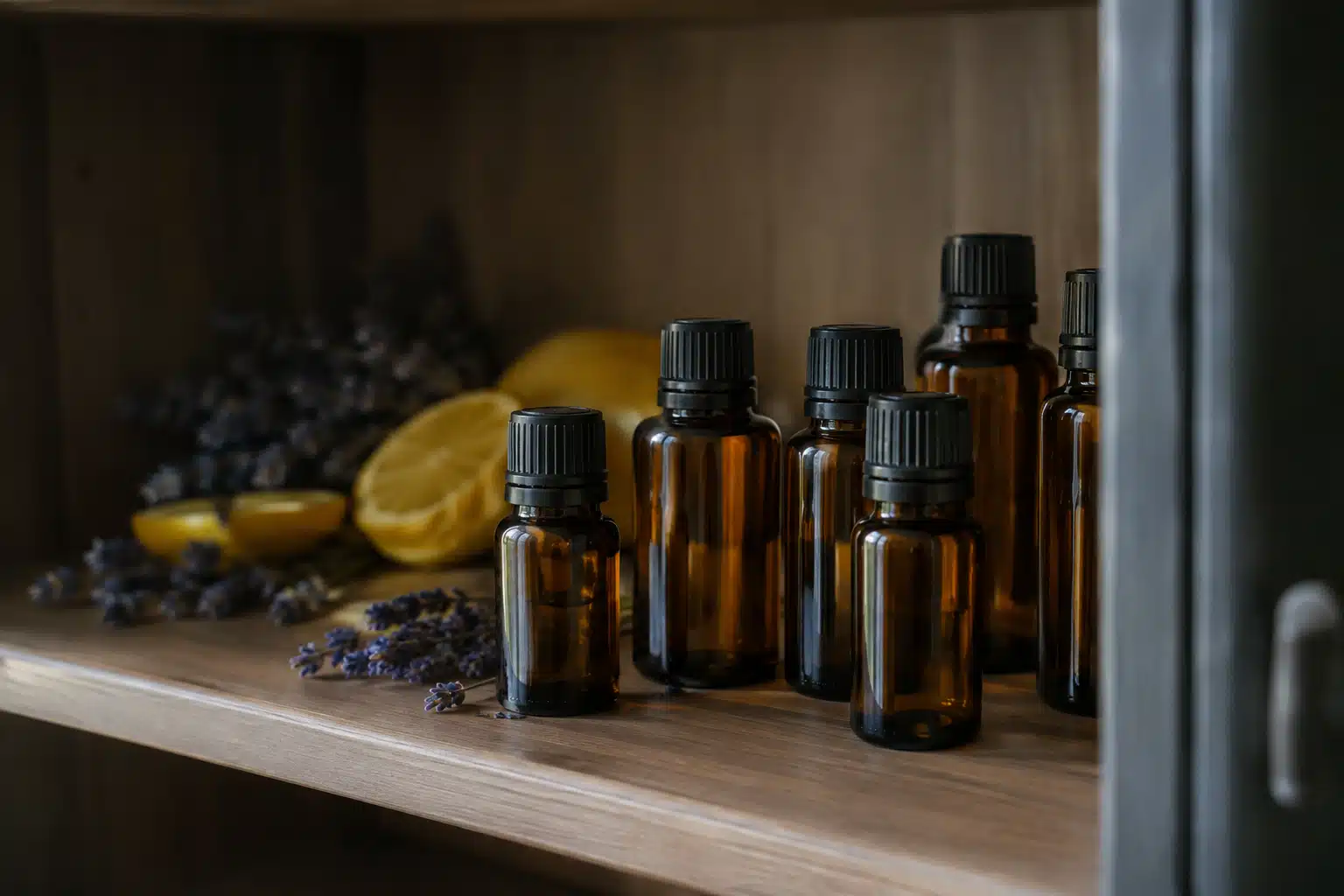
Learn how to store essential oils to keep your stash fresh. Discover shelf life by type, the role of amber glass, refrigeration, and spotting oxidation.
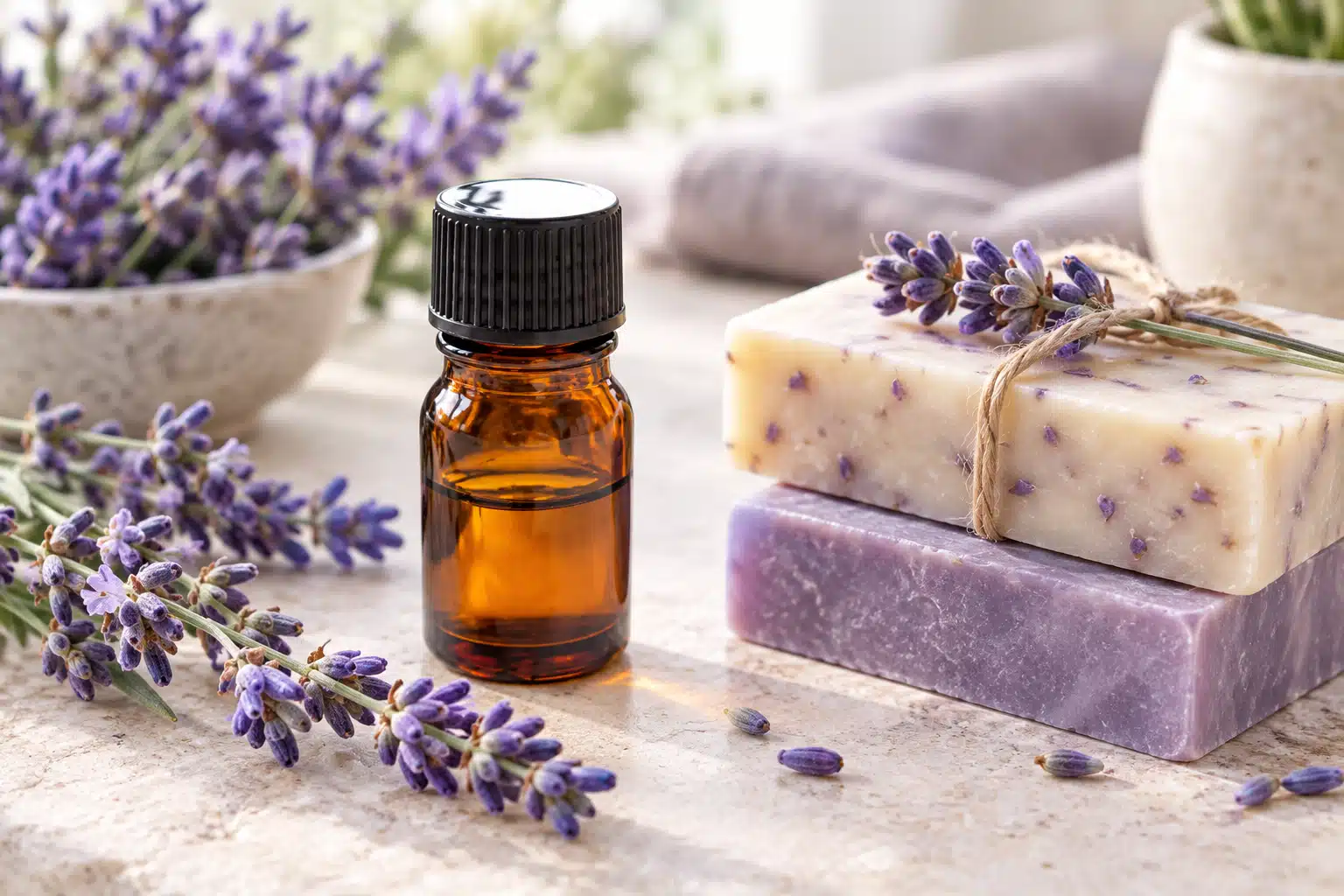
Learn how to safely use lavender oil in DIY cosmetics, soap, and diffusers. Explore safe dilution rates, lavandin differences, and practical storage advice.

Imagine transforming your bathroom into a high-end spa, surrounded by the scent of a fresh garden. Bath bombs infused with real flower petals offer a stunning visual experience and an intoxicating aroma. However, many enthusiasts hesitate, fearing that rose petals will clog their plumbing or leave the tub dangerously slick. Whether you are crafting these effervescent treats at home or shopping for

Have you ever spent hours crafting a stunning batch of bath bombs, only to find them soft, sticky, or crumbling just a day later? This frustrating phenomenon is usually caused by ambient humidity “activating” the product before it even reaches the tub. As soon as the combination of [citric acid](https://www.youwish.nl/en/shop/making-bath-fizz/bath-fizz-ingedients/citric-acid/) and [sodium bicarbon
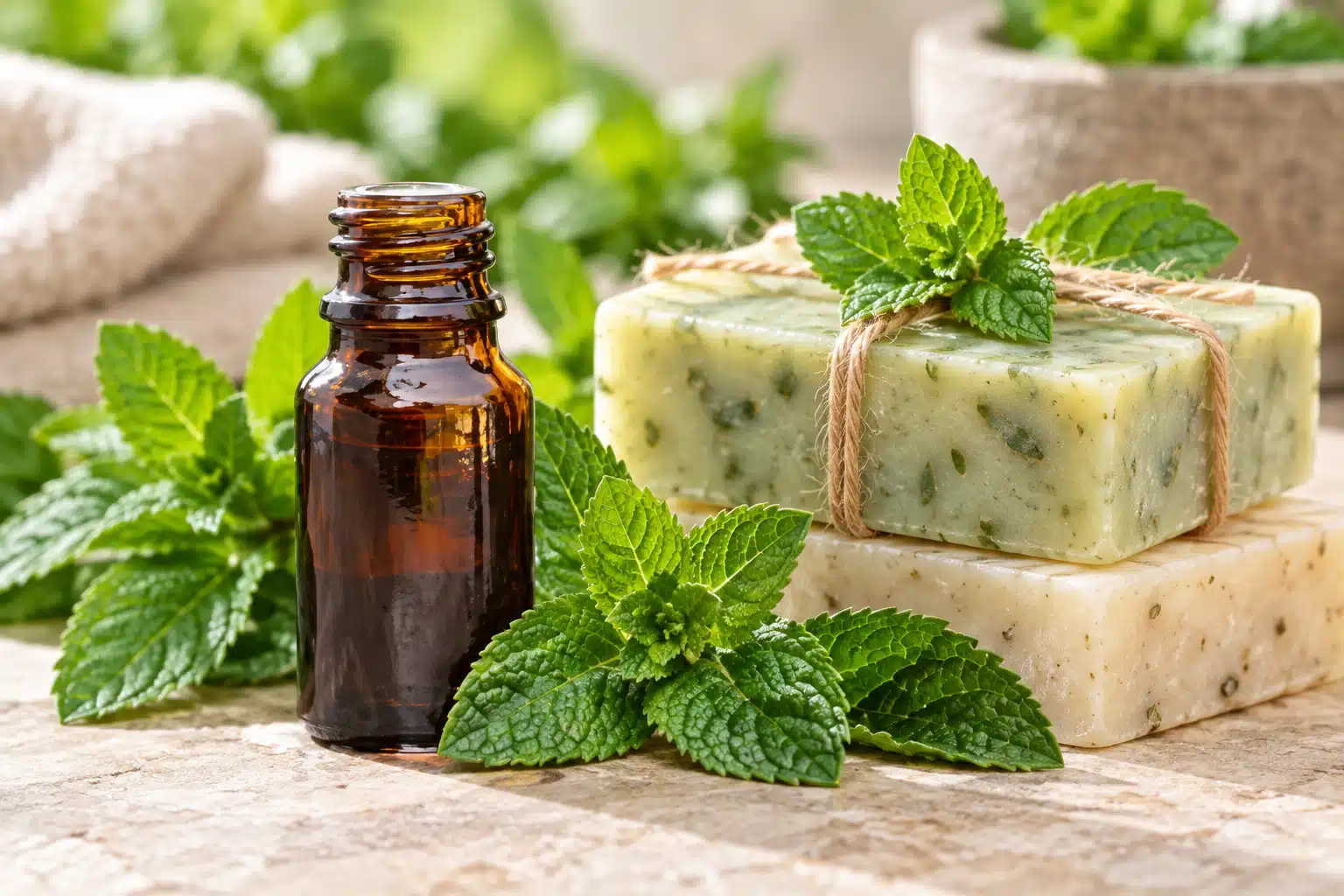
Discover the health benefits of peppermint oil and learn how to safely use this powerful essential oil in your DIY skincare and handmade soap recipes.
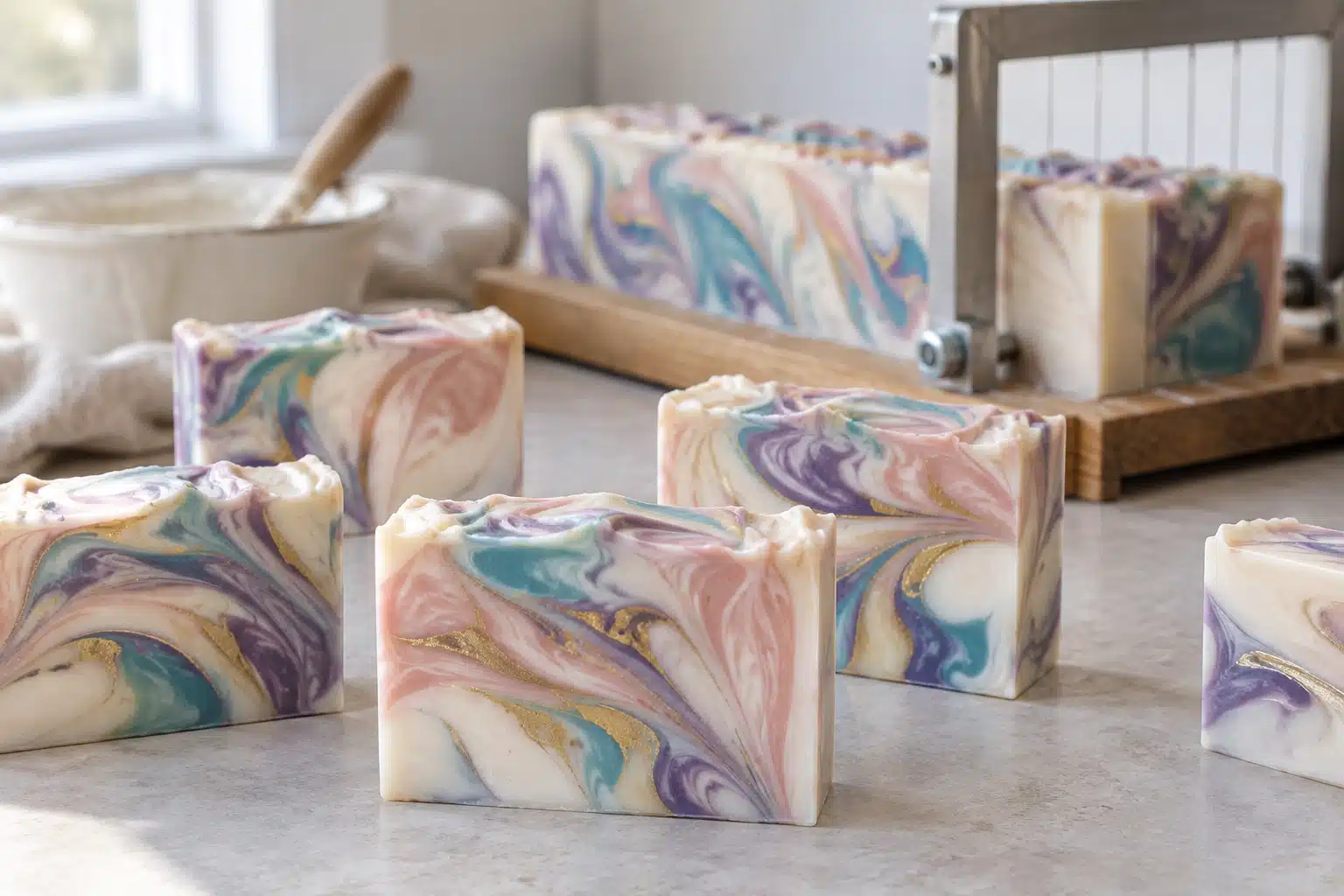
Discover essential soap marbling techniques for crisp, sharp patterns. Learn temperature and trace control for both melt and pour and cold process soap.

Make your own solid perfume with this easy step-by-step recipe. Combine natural wax, shea butter, and essential oils to create a portable fragrance balm.
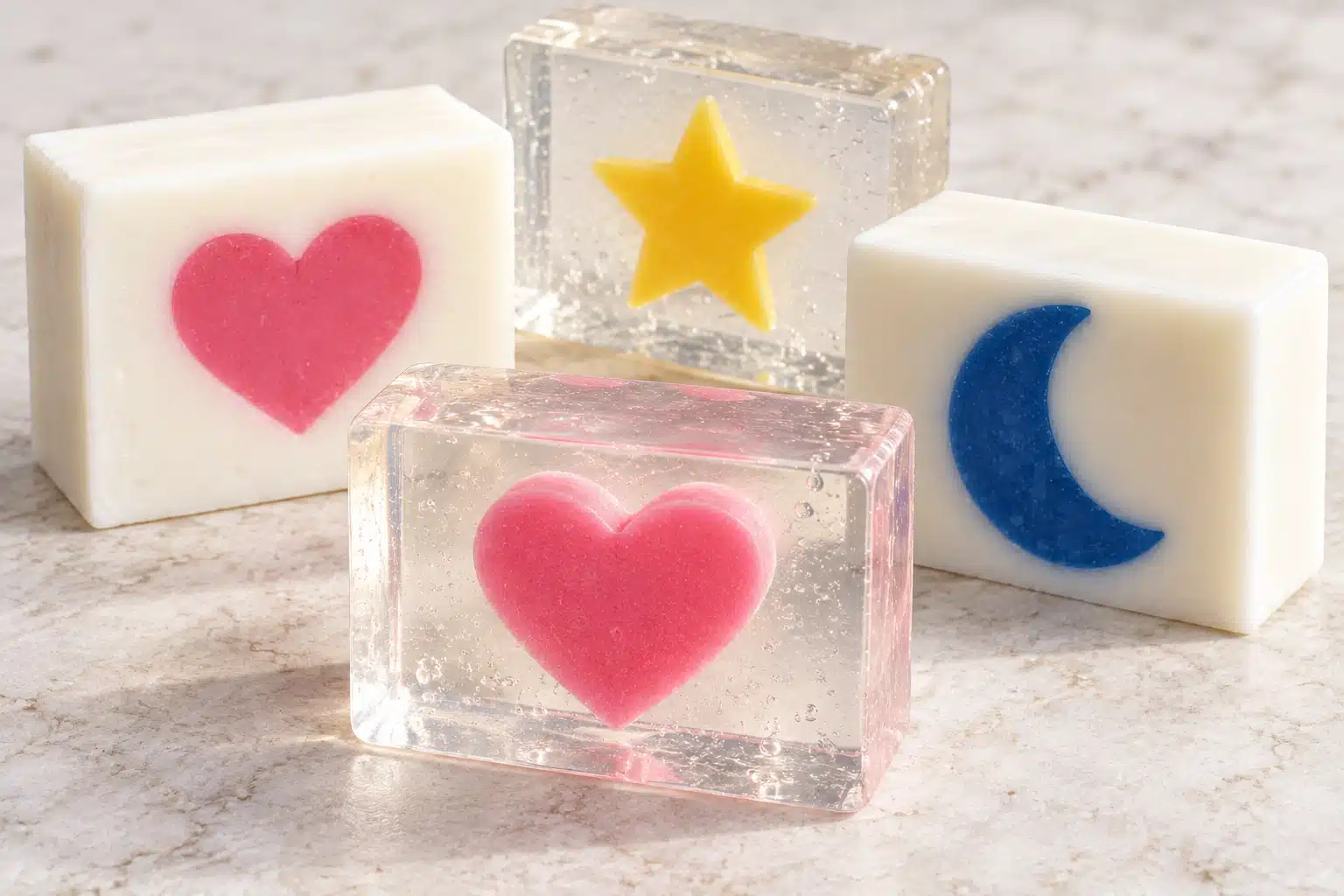
Learn how to add soap embeds to melt and pour and cold process soap. Get practical tips on temperature control, alcohol spray, and avoiding air bubbles.
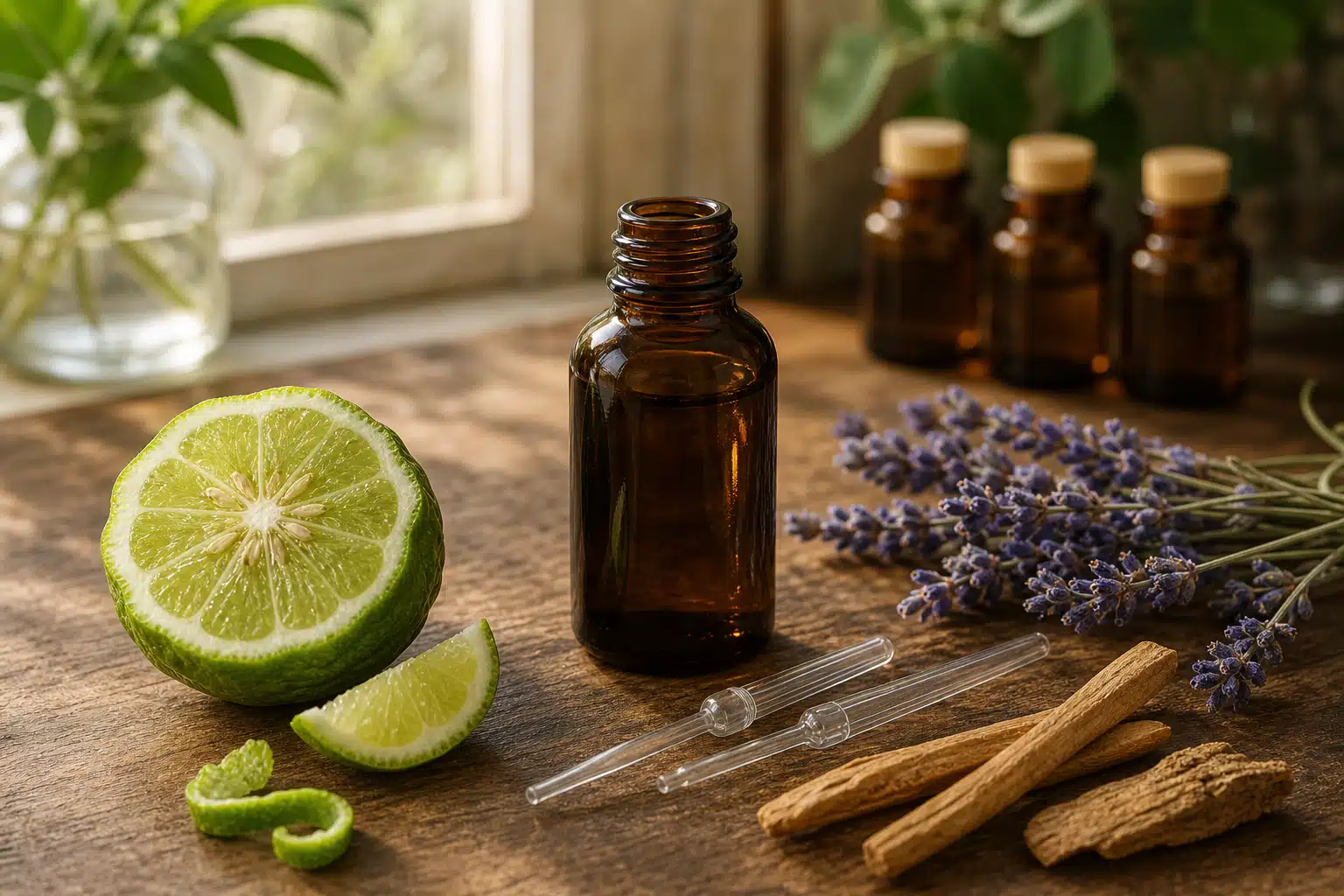
Discover how to combine perfume notes with the 30/50/20 rule. Master the fragrance pyramid and wheel to design your own balanced homemade perfumes.

Want to whip up a batch of soap in the morning and use it in the shower that same evening? While most methods require weeks of curing, hot process soap is ready to use almost immediately. This technique uses external heat to fast-track the saponification process, meaning you don’t need the patience of a saint to achieve beautiful, rustic results.


