
Have you ever stepped out of a warm bath only to find your skin feeling tight, itchy, and dry? That parched sensation is a common drawback of basic bath bomb recipes built strictly from salts and acids. A good bath should be a restorative ritual that leaves your skin feeling pampered and deeply nourished. It is no wonder so many makers want to enrich their formulas with plant-based oils and rich botanical butters. Still, incorporating fats can feel intimidating: will they kill the fizz, make the bath bomb crumble, or turn the tub into an oil slick? In this guide, we break down how to formulate with emollients so your bath bombs stay rock-hard, fizz vigorously, and leave your skin velvety soft.
What Are Emollients?
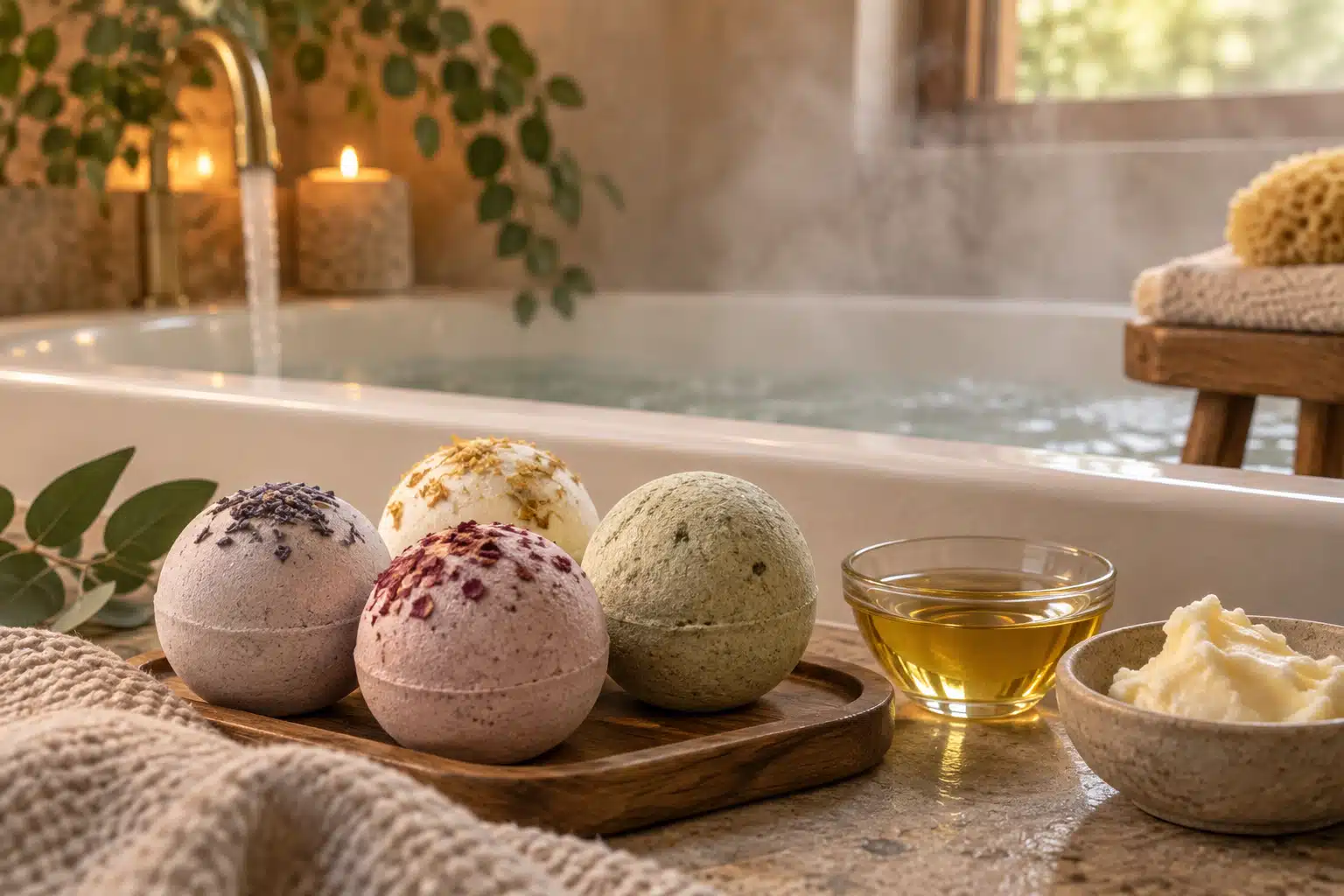
In cosmetic formulation, “emollients” are conditioning agents that soften the skin, smooth roughness, and help repair the lipid barrier. These lipid-rich ingredients act as refatting agents, sinking into the stratum corneum (the outermost layer of the skin) to trap moisture and prevent trans-epidermal water loss. When you combine standard effervescent bases—like baking soda and acid—with nourishing lipids, the warm water will not strip your skin of its protective oils. Instead, you step out of the tub with a silky, conditioned finish that eliminates the need for post-bath lotion.
-
€6.87 €247.66Price range: €7.49€6.87 through €269.95€247.66 incl. VAT inc. VATExcl. VATSelect options This product has multiple variants. The options may be chosen on the product page
-
€4.13 €1,330.28Price range: €4.50€4.13 through €1,450.00€1,330.28 incl. VAT inc. VATExcl. VATSelect options This product has multiple variants. The options may be chosen on the product page


Finding the Balance Between Nourishment and Fizz
Classic bath bombs rely on a delicate chemical reaction between sodium bicarbonate and citric acid in bath bombs. When liquid ingredients enter the fold, excess moisture can trigger that reaction right in your mixing bowl, ruining the batch before it ever sees the tub.
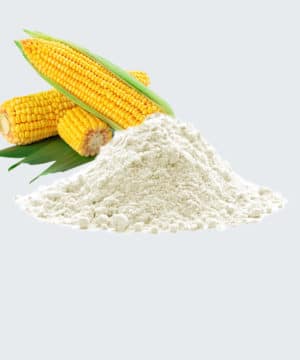
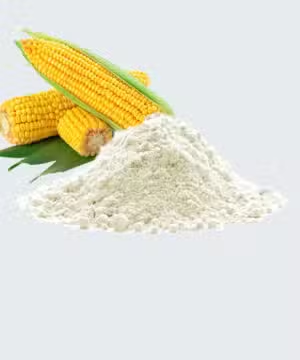
As a reliable rule of thumb, keep your total binders—which includes both liquid carrier oils and solid butters—between 10% and 20% of your total recipe weight. Add too much fat, and the bath bomb becomes fragile, mushy, and prone to sinking; add too little, and you will miss out on the moisturizing benefits. To help carry higher oil loads, consider blending in organic cornstarch. Cornstarch acts as a buffer, absorbing excess oil, slowing the effervescent release for a longer-lasting fizz, and imparting a luxurious, milky feel to the water.
-
 €6.57 €144.59Price range: €7.95€6.57 through €174.95€144.59 incl. VAT inc. VATExcl. VATSelect options This product has multiple variants. The options may be chosen on the product page
 -
 €1.61 €33.02Price range: €1.95€1.61 through €39.95€33.02 incl. VAT inc. VATExcl. VATSelect options This product has multiple variants. The options may be chosen on the product page
 -
 €2.89 €41.28Price range: €3.50€2.89 through €49.95€41.28 incl. VAT inc. VATExcl. VATSelect options This product has multiple variants. The options may be chosen on the product page




Choosing the Right Oils and Butters for Your Recipe
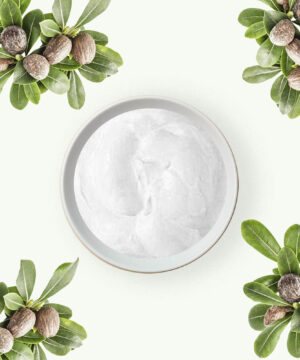
Different lipids behave in distinctly different ways once blended into a dry bath bomb mix. Solid butters offer great structural integrity because they stay firm at room temperature, melting only when exposed to hot bathwater. Liquid bath bomb butters and oils absorb more readily into the skin and deliver a lighter feel. Your ideal combination comes down to the skin profile you want to target. For a closer look at fatty acid profiles, check out our guide on using shea butter.
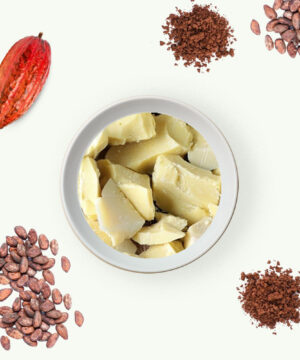
- Hard butters, such as cocoa butter, provide a dense, creamy richness and help pressed bath bombs slide cleanly out of their molds.
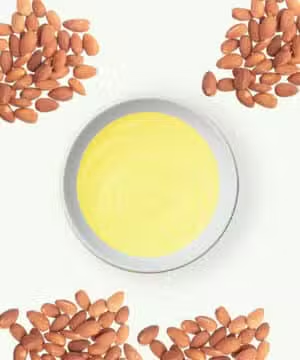
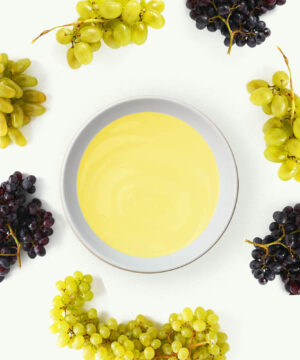
- Lightweight liquid oils, such as sweet almond or grapeseed oil, absorb quickly without leaving behind an uncomfortably greasy residue.
- Jojoba oil and argan oil closely mimic the skin’s natural sebum, making them ideal for balancing both dry and oily complexions.
- Evening primrose oil delivers a high concentration of gamma-linolenic and linoleic acids, making it a stellar choice for mature or compromised skin.
- For irritation-prone or sensitive skin, pairing your lipids with colloidal oatmeal provides instant soothing relief and calms inflammation.
-
€12.40 €537.15Price range: €15.00€12.40 through €649.95€537.15 incl. VAT inc. VATExcl. VATSelect options This product has multiple variants. The options may be chosen on the product page
-
€4.13 €197.25Price range: €4.50€4.13 through €215.00€197.25 incl. VAT inc. VATExcl. VATSelect options This product has multiple variants. The options may be chosen on the product page

The Role of Polysorbate 80 with Oils
If you add oils or melted butters to a bath bomb without an emulsifier, simple physics takes over: oil and water do not mix. The lipids will pool on top of the bathwater in an unsightly slick, creating a dangerously slippery tub floor when you stand up. Even worse, floating oil binds directly to micas and lake dyes, leaving an aggressive, colored ring around the waterline. For a deeper dive into controlling color, read our guide to bath bomb colors and techniques.
This is where Polysorbate 80 becomes an essential formulation tool. As a gentle, high-HLB non-ionic surfactant and solubilizer, Polysorbate 80 forces the oils and pigments to disperse evenly throughout the water. Instead of an oily puddle, your bath water transforms into a soft, milky soak that drains away cleanly without staining or clinging to porcelain. A standard starting ratio is 1 part Polysorbate 80 to 2 parts carrier oil, though heavy micas and rich colorants may require a 1:1 ratio. Always run a small test batch to calibrate the right amount for your specific formula.
Step-by-Step: Adding Emollients to Your Bath Bombs
Precision in measurement and mixing order is crucial whenever you introduce fats to dry powders. While our complete walk-through on how to make a bath bomb covers foundational mechanics, here is the proven process for incorporating emollients:
- Sift your primary dry ingredients—such as sodium bicarbonate and cornstarch—into a large mixing bowl, thoroughly breaking up any clumps.
- Gently melt your hard butters in a double boiler or using short bursts in the microwave, then allow them to cool to just above room temperature.
- In a separate container, whisk together your liquid oils, melted butter, fragrance or essential oils, and Polysorbate 80.
- Drizzle the oil mixture gradually into your dry ingredients, working in small increments while stirring steadily to avoid activating the powders.
- Work the mixture thoroughly between gloved palms until it reaches the texture of damp beach sand. It should easily hold its shape when squeezed firmly in your fist.
- Gently fold in the citric acid at the very end to minimize the risk of a premature reaction.
- Pack the blend firmly into your molds, unmold carefully, and let the bath bombs cure for at least 24 hours in an environment with low humidity.


Troubleshooting and Safety for Makers
If your bath bombs are coming out crumbly, soft, or flat, review our comprehensive bath bomb troubleshooting guide to pinpoint the issue. Remember that overloading a formula with oils will weigh down the final product, causing it to sink to the bottom of the tub rather than floating and throwing a vibrant foam.
If you make bath bombs to sell or gift, always adhere to cosmetics safety standards. Within the European Union and the UK, any product intended for retail requires a valid Cosmetic Product Safety Report (CPSR). Ensure you calculate fragrance and essential oil concentrations strictly within current IFRA limits. When you are ready to craft balanced, tested formulations, explore our curated bath bomb recipes and stock up on premium ingredients in our bath bomb making section.


