
Have you spent hours carefully crafting bath bombs, only to watch them crumble the moment you unmold them? Or perhaps they sink straight to the bottom of the tub without producing a single bubble? Perfecting the bath bomb making process can sometimes feel more like high school chemistry than a relaxing hobby. In most cases, the culprits are excess moisture, improper powder ratios, or ambient room conditions. Fortunately, with a few simple tweaks to your formulation and technique, you can easily restore that satisfying fizz and structural integrity.

Why Your Bath Bomb Isn’t Fizzing
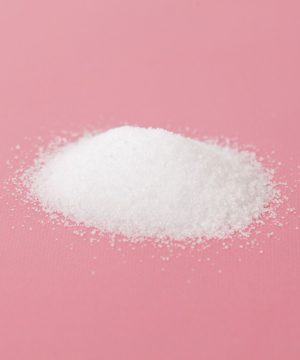
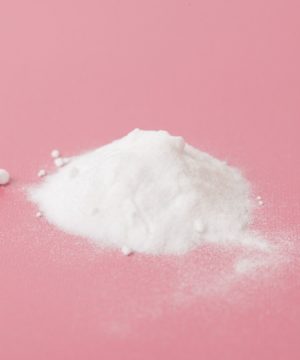
The characteristic fizzing action of a bath bomb relies on a basic chemical reaction between citric acid and baking soda. When submerged in water, these two ingredients react to release carbon dioxide gas. A classic, reliable ratio is two to three parts baking soda to one part citric acid.
If your bath bombs lack kick, your recipe may contain too many rich emollients and oils, which coat the dry particles and prevent water from reaching the active ingredients. High concentrations of cornstarch can similarly dampen the reaction. Additionally, stale or expired ingredients lose their potency over time. To test whether your dry mixture is still reactive, drop a small pinch into a cup of warm water and monitor the fizzing intensity for 30 seconds.
-
 €6.57 €144.59Price range: €7.95€6.57 through €174.95€144.59 incl. VAT inc. VATExcl. VATSelect options This product has multiple variants. The options may be chosen on the product page
 -
 €2.89 €41.28Price range: €3.50€2.89 through €49.95€41.28 incl. VAT inc. VATExcl. VATSelect options This product has multiple variants. The options may be chosen on the product page


Cracking, Crumbling, and Moisture Control
If a bath bomb breaks apart as soon as it leaves the mold, the mix is likely too dry. Dry ingredients require a precise amount of binder to fuse properly. Aim for a consistency resembling wet beach sand: when tightly squeezed in your hand, the mixture should hold its shape firmly without feeling sticky or wet.
Avoid using tap water to hydrate your mixture, as water immediately triggers the effervescent reaction, causing the bomb to expand prematurely and collapse. Instead, spritz your mixture with 99.9% isopropyl alcohol. Isopropyl alcohol evaporates rapidly without prematurely activating the baking soda and citric acid.
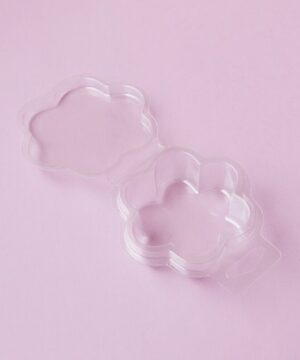
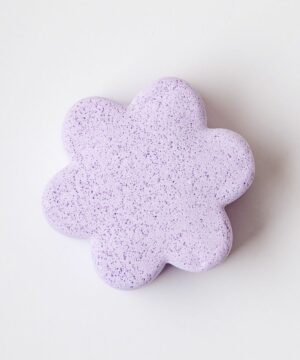
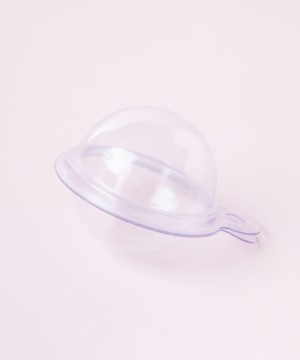
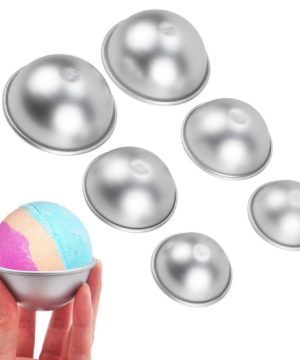
When molding, pack the mixture firmly into each half of your bath bomb mold, taking care not to overfill. Incorporating a small amount of melted cocoa butter into your liquid phase can also impart extra structural strength once fully cooled.
-
 €11.53 €103.26Price range: €13.95€11.53 through €124.95€103.26 incl. VAT inc. VATExcl. VATSelect options This product has multiple variants. The options may be chosen on the product page
 -
-
 €0.79 €1.61Price range: €0.95€0.79 through €1.95€1.61 incl. VAT inc. VATExcl. VATSelect options This product has multiple variants. The options may be chosen on the product page


Preventing Premature Activation from Ambient Humidity
If your bath bombs expand like rising bread dough while sitting in their molds or drying trays, high ambient humidity is the likely cause. The combination of baking soda and citric acid readily absorbs moisture from the air, triggering the chemical reaction long before the bomb ever reaches the tub.
For optimal results, work in a room maintained between 18 and 24 °C with relative humidity levels below 50%. Allow your bath bombs to harden in a cool, dry room for at least 24 hours. Never cure or store finished products in humid environments like bathrooms or damp basements. To package bath bombs properly, wrap them tightly in shrink wrap or store them in airtight containers, ideally alongside a silica gel packet to absorb residual atmospheric moisture.
Preventing Tub Stains and Discoloration
A dull ring of pigment or a greasy film floating on top of the bathwater occurs when micas, colorants, and carrier oils separate, clinging to limescale or soap scum on the tub surface. To prevent this, include Polysorbate 80 in your formulation. As an effective emulsifier, Polysorbate 80 binds the oil phase to the bathwater, dispersing both oils and bath bomb colorants evenly throughout the tub.
For further guidance, consult our detailed resource on how to color bath bombs without staining. Cleaning the bathtub prior to use reduces the surface buildup that pigments attach to, while a quick warm-water rinse right after draining prevents lingering residue. Should mild staining occur, wipe the surface down with a soft cloth and gentle dish soap; avoid abrasive scouring pads, which can scratch delicate acrylic or enamel finishes.
If dark brown spots develop on lighter-colored bath bombs after a few weeks, check your fragrance oil specifications. Discoloration of this nature is almost always caused by high vanillin content in the fragrance.
Recipe Safety and Skin Sensitivity
If bathwater causes a stinging sensation, the cause is usually a pH imbalance or an overly concentrated formula. Healthy skin has a natural pH around 5.5. Excessive citric acid or a heavy dose of potent essential oils (such as cinnamon, clove, or peppermint) can disrupt skin harmony, resulting in redness or irritation.
To create a gentler bath experience, temper your recipe with soothing additives like colloidal oatmeal or aloe vera powder. Alternatively, explore our guide to formulating a citric acid-free bath bomb using cream of tartar. If you want rich, creamy foam, consider adding Sodium Lauryl Sulfoacetate (SLSA)—a mild, plant-derived surfactant that is significantly gentler on skin than traditional SLS. Always wear a well-fitted dust mask when measuring and sifting fine dry powders.
How to Repurpose Failed Batches
Never throw cracked, crumbly, or misshapen bath bombs in the trash. Simply crush any imperfect batches into a uniform powder to create luxurious bath dust or bath fizz. Pack the powder into stand-up pouches, or use it as a decorative topping for future batches. Adding Epsom salt to crushed batches turns them into an excellent muscle-soothing bath soak.
For more troubleshooting tips and recipe ideas, explore our full collection of bath bomb recipes and our step-by-step tutorial on how to make bath bombs.
Calibrate your scale, monitor your room’s humidity, and explore our full range of bath bomb making supplies to stock up for your next crafting session!


