
Start a professional handmade soap business with this guide. It covers EU cosmetic regulations, CPSR safety reports, production methods, and sales channels.

Start a professional handmade soap business with this guide. It covers EU cosmetic regulations, CPSR safety reports, production methods, and sales channels.

Learn how to make gentle soap for sensitive skin using nourishing ingredients like shea butter and olive oil. Create mild, non-irritating cleansers at home.

Have you managed to resist the urge to poke your finger into that fresh batch of soap? After hours of meticulous weighing and stirring, your creation is finally in the mold—and now begins the most challenging phase of soap making: the wait. Proper timing determines more than just the aesthetic of a clean, sharp bar; it ensures your soap is safe, mild, and durable enough for daily use. It is a proc

If your skin feels tight, dry, or itchy after using a new batch of soap, the culprit is often a pH level that is too high. For hobbyists and artisanal producers alike, measuring acidity isn’t just an optional step—it is a fundamental part of ensuring a safe, skin-friendly product. This guide explores how to accurately determine pH levels and why precision is the difference between a nourishing bar

How can you ensure your homemade soap is safe for the skin? Calculating the precise ratio of lye to water is arguably the most critical step in the entire process. A minor mathematical error can quickly transform a nourishing bar of soap into a caustic product that is hazardous to the touch. Fortunately, you don’t need a degree in chemistry to master this. With a reliable digital scale and a solid

Many traditional soap recipes still rely on animal byproducts like beef tallow or lard. For those seeking a cruelty-free lifestyle, making your own vegan soap is the ideal solution. By crafting your own bars, you gain total control over the ingredients, ensuring your skincare routine is powered by nourishing plant-based oils and butters rather than hidden animal fats. It is a creative, rewarding p

If you’ve ever noticed your skin feeling tight or dry after a shower, you aren’t alone. Most commercial “soaps” found on supermarket shelves are actually synthetic detergents that strip the skin of its natural protective oils. Making your own soap using the cold process method allows you to take full control of your skincare routine. It is a rewarding blend of chemistry and artistry that begins th

Have you ever noticed your skin feeling dry and tight after a shower? That “squeaky clean” sensation is often a warning sign that your soap has been a bit too efficient, stripping away the skin’s vital protective layer. While hygiene is a priority, there is a delicate balance between effective cleansing and preserving the skin barrier. For hobbyists and artisanal makers, this provides a unique opp
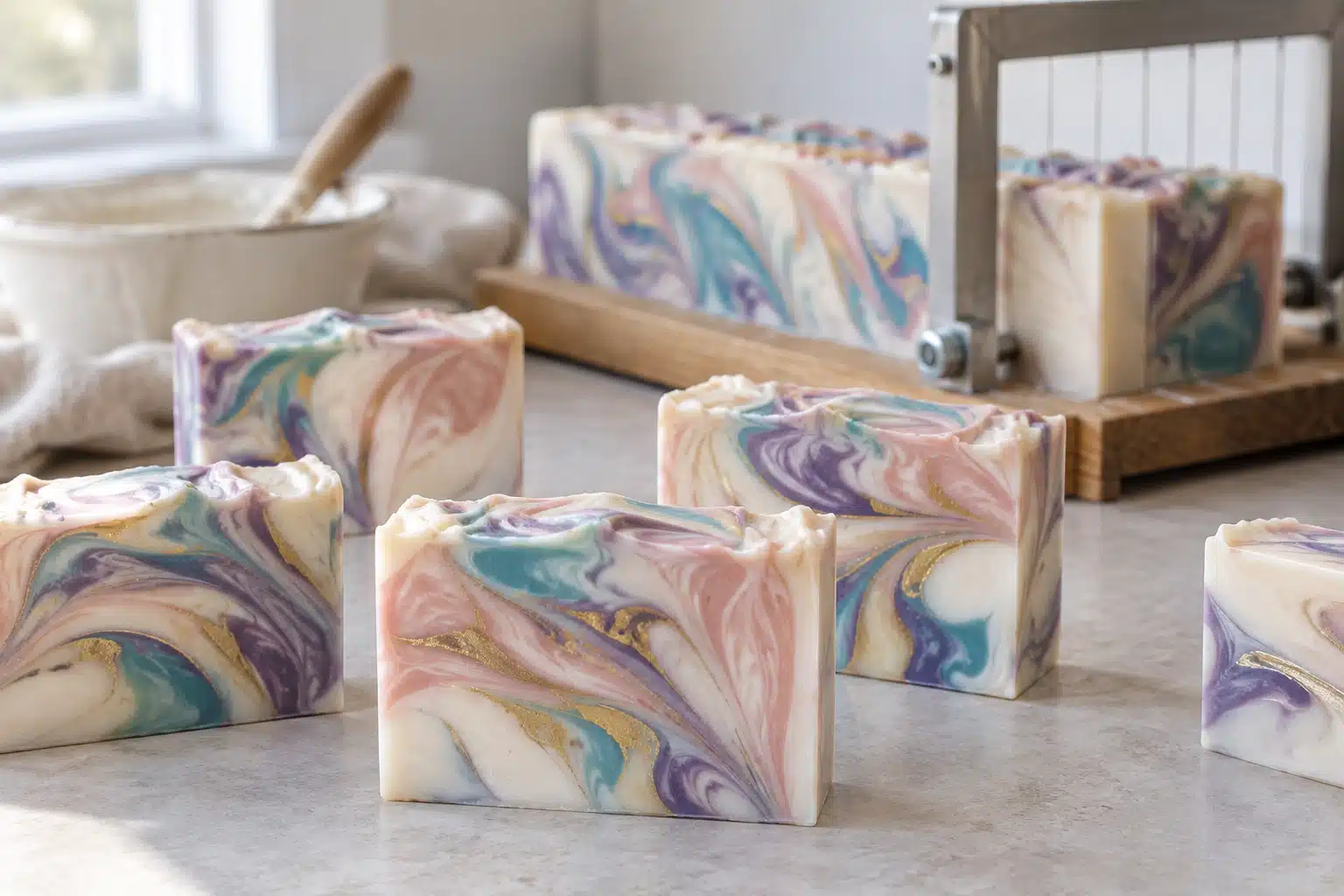
Discover essential soap marbling techniques for crisp, sharp patterns. Learn temperature and trace control for both melt and pour and cold process soap.
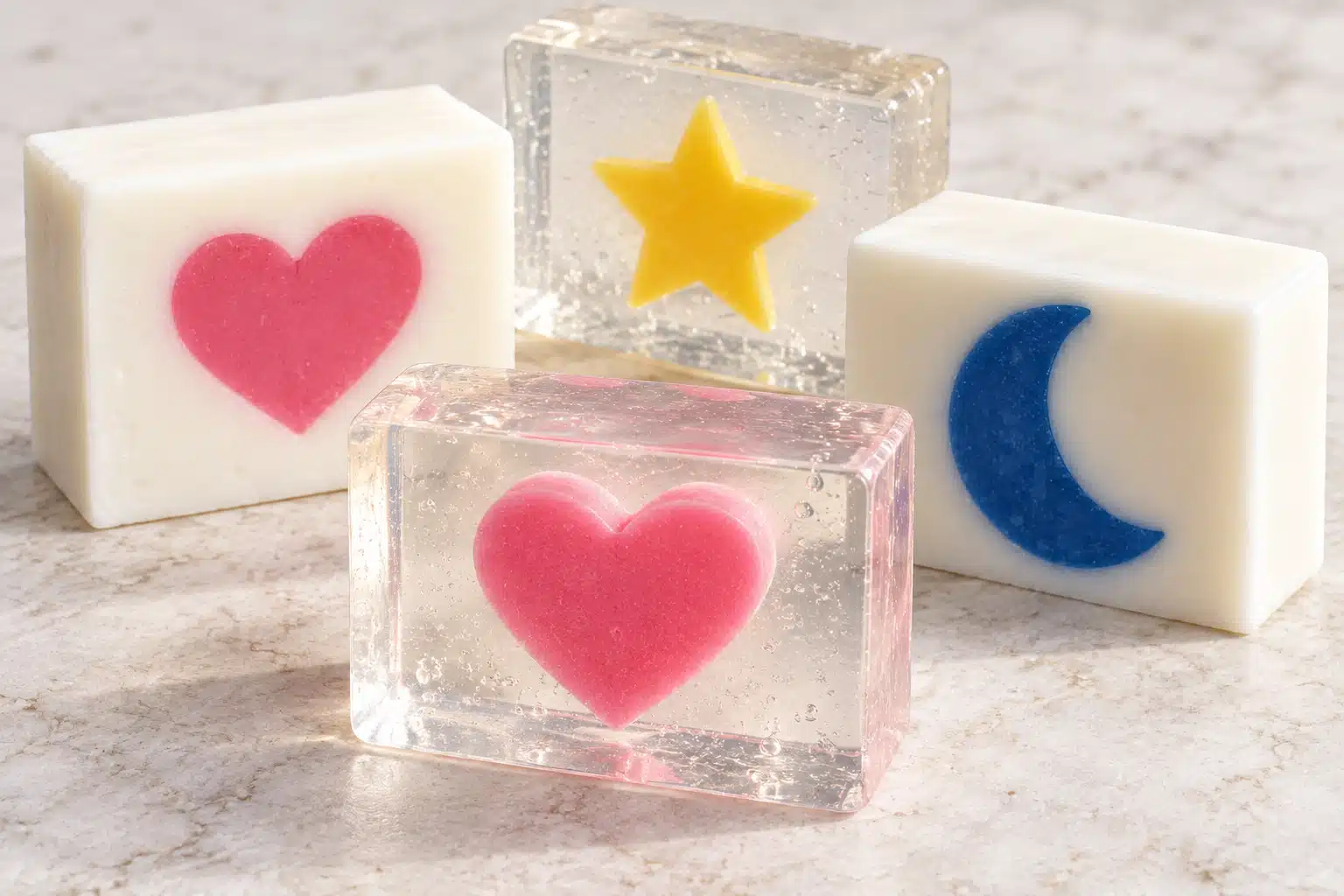
Learn how to add soap embeds to melt and pour and cold process soap. Get practical tips on temperature control, alcohol spray, and avoiding air bubbles.


