
Glass reacts strongly to temperature differences. When the inside of a jar becomes red-hot from the flame, the glass expands there. The outside of the glass is in contact with the cooler air in the room and expands more slowly. We call this difference in expansion “thermal shock.” When the material cannot withstand this stress, cracks form.
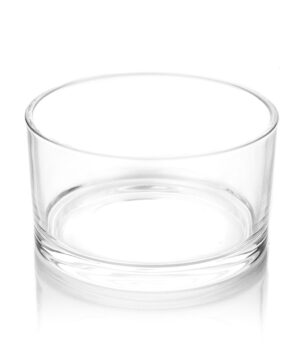
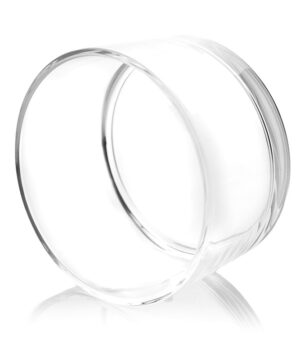
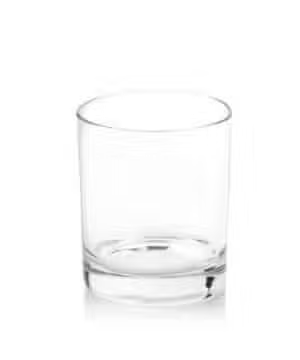
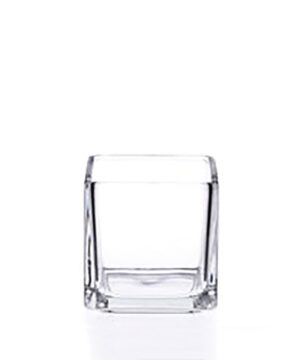
Not every glass is suitable for candles. Drinking glasses or inexpensive vases from discount stores are often made of standard glass that already contains internal stress from the factory. For your hobby, be sure to use glass containers that are specifically designed and tested for heat. Good candle jars often meet the ASTM F2179 standard for annealed glass. This means the glass has undergone a process to remove internal stresses.
-
 €1.53 €1,350.00Price range: €1.85€1.53 through €1,350.00€1,350.00 incl. VAT inc. VATExcl. VATSelect options This product has multiple variants. The options may be chosen on the product page
 -
 €1.45 €2,420.00Price range: €1.75€1.45 through €2,420.00€2,420.00 incl. VAT inc. VATExcl. VATSelect options This product has multiple variants. The options may be chosen on the product page
 -
Original price was: €3.26€3.26.€2.02€1.67Current price is: €2.02€1.67. incl. VAT inc. VATExcl. VATAdd to cart
-
-

The wick determines the temperature of the glass
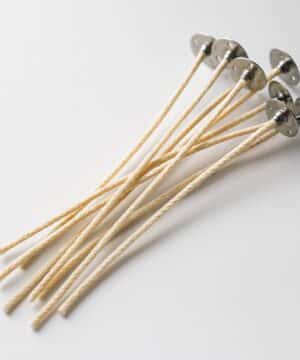
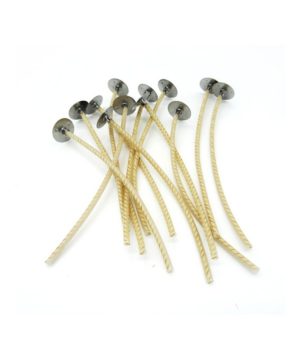
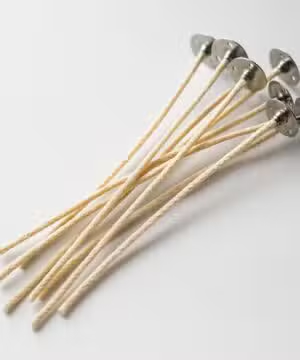
Safety starts with choosing the right wick. The wick acts as the engine of your candle and determines how hot it gets. A common mistake is choosing a wick that’s too thick in an effort to quickly create a wide pool of melted wax. However, a wick that’s too thick produces a flame that’s too high and causes excessive heat against the sides of the glass.
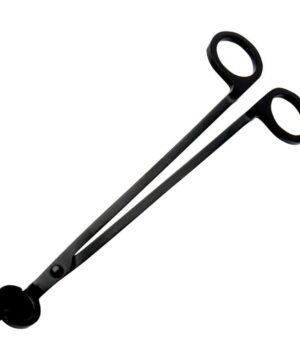
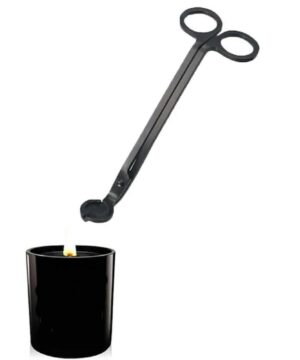
If a flame becomes too large or starts to flicker, it can come into direct contact with the side of the glass. Direct contact with the flame greatly increases the risk of breakage. In addition, soot buildup indicates incomplete combustion. It’s therefore a good idea to read up on choosing the right wick for your specific combination of wax and fragrance oils. Always make sure to trim the wick to about 5 or 6 millimeters before lighting it. A candle wick trimmer is a handy tool for doing this precisely without making a mess.
-
 €1.95 €68.95Price range: €1.95€1.95 through €68.95€68.95 incl. VAT inc. VATExcl. VATSelect options This product has multiple variants. The options may be chosen on the product page
 -
-
 €1.95 €74.34Price range: €1.95€1.95 through €89.95€74.34 incl. VAT inc. VATExcl. VATSelect options This product has multiple variants. The options may be chosen on the product page


Inspect Before You Start Pouring
Even the best glass can have imperfections caused by shipping or storage. Hold each glass up to the light for a moment before you begin. Do you see a scratch, a bubble, or a small imperfection? If so, it’s best not to use that glass for a candle. The heat will target that exact weak spot and cause the glass to crack.
The position of the wick in the glass also affects safety. A wick that is not positioned exactly in the center causes uneven heating of the glass wall. You can prevent an off-center wick by using centering aids or special guides while the wax is setting. Also, make sure the glass is clean and dry to ensure the candle wax adheres properly.
Working with gel wax and other types
If you’re working with gel wax, you need to be extra careful. Gel wax burns hotter and melts at a higher temperature than, for example, soy wax. Because gel wax is often transparent, crafters sometimes choose decorative glassware that isn’t heat-resistant. Never do this. Gel wax has a melting point between 70 and 85 degrees and requires glass that can withstand this constant heat. Also pay close attention to the flash point of fragrance oils when using additives in your projects.
Is it a good idea to reuse candle jars?
It’s tempting to clean an empty glass jar and refill it with wax. However, manufacturers often advise against this due to material fatigue. The glass has already been heated and cooled many times during its first life cycle. This process can weaken the structure in ways that aren’t visible. A second round of heat could then be just too much. It’s better to use old jars as pen holders or storage containers for small items. Safety takes precedence over recycling when fire is involved.
Safety Rules for Burning
You can make the safest candle, but the user also needs to know what they’re doing. Include clear instructions on your label. The most important rule is the 1/2-inch rule. Stop burning the candle when there’s about 1 to 1.5 centimeters of wax left at the bottom. Without this buffer of wax, the heat is transferred directly to the bottom of the glass.
Never let a candle in a glass container burn for more than 3 to 4 hours at a time. Otherwise, the glass will become too hot for the surface it’s resting on. Also, never place candles in a draft. A draft causes an unstable flame that can flicker toward the edge of the glass, creating extreme localized heat there. For professional manufacturers, fire safety tests are available for candles that comply with the European EN 15493 standard. This provides assurance regarding the flame stability and the integrity of the container.


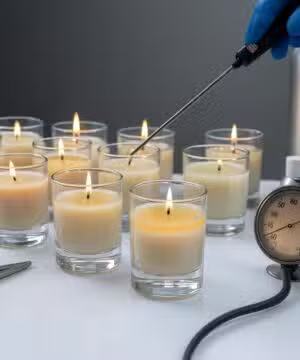


By investing in the right glassware and thoroughly testing your wicks, you can prevent dangerous situations. Good preparation is half the battle in this craft. Want to get started right away on a safe project? Then read our article on how to make a container candle and discover how to achieve a beautiful result step by step. For added peace of mind, you can also explore the various candle testing services to thoroughly evaluate your products. To lay a solid foundation, always conduct a safe candle burn test yourself before giving away or selling your candles.


