
Have you ever stood in the beauty aisle scanning rows of beige compacts, only to realize that not a single one matches your skin tone? Or perhaps you are tired of paying top dollar for formulas loaded with talc, synthetic fragrances, and unnecessary fillers. Making your own face powder is surprisingly easy and puts you in complete control of what touches your skin. You can fine-tune both the coverage and the exact undertone to suit your unique complexion—making it the ideal first project if you want to explore DIY makeup.
The Basics of Natural Face Powder
Unlike liquid foundations or creams, loose face powder is completely anhydrous (water-free). That means no worrying about emulsifiers, heating phases, or broad-spectrum preservatives. A well-balanced formula relies on three key components: the base (carrier), the coverage agent, and the colorants.
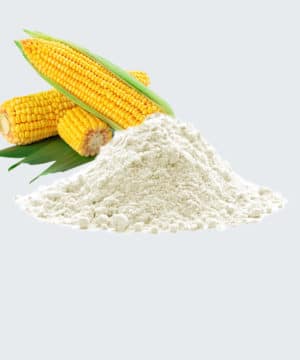
The base makes up the bulk of your recipe and consists of oil-absorbing natural powders. Arrowroot powder is a staple among DIY formulators; it feels noticeably lighter and silkier than standard cornstarch, allowing the skin to breathe while sheering out completely translucent. Organic cornstarch is another solid, readily available option with exceptional oil control, though it can feel slightly heavier on the skin.
-
 €1.45 €330.54Price range: €1.75€1.45 through €399.95€330.54 incl. VAT inc. VATExcl. VATSelect options This product has multiple variants. The options may be chosen on the product page
 -
 €1.61 €33.02Price range: €1.95€1.61 through €39.95€33.02 incl. VAT inc. VATExcl. VATSelect options This product has multiple variants. The options may be chosen on the product page
Coverage and Skin-Caring Benefits
Starches alone do not offer much staying power and will wear off quickly throughout the day. Introducing cosmetic clay provides staying power, improves slip, and gently blurs imperfections. Kaolin clay is exceptionally mild, making it an excellent choice for sensitive or dry skin types looking for a soft-focus, matte finish that helps the powder cling comfortably to the face.
If you struggle with an oily T-zone or need extra shine control, bentonite clay offers powerful clarifying and oil-absorbing properties. To dial up the coverage, consider adding zinc oxide. Beyond providing reliable opacity, zinc oxide is widely prized for its ability to calm visible redness and irritation—a major reason it features prominently in mineral makeup for sensitive skin. To better understand how each raw ingredient functions, check out our comprehensive guide to natural ingredients for makeup.
-
 €2.07 €5,454.55Price range: €2.50€2.07 through €6,600.00€5,454.55 incl. VAT inc. VATExcl. VATSelect options This product has multiple variants. The options may be chosen on the product page
 -
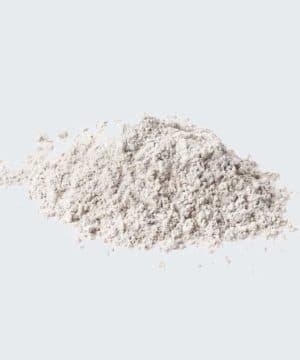 €0.62 €95.04Price range: €0.75€0.62 through €115.00€95.04 incl. VAT inc. VATExcl. VATSelect options This product has multiple variants. The options may be chosen on the product page
 -
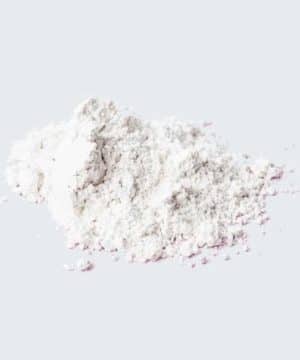 €0.79 €247.89Price range: €0.95€0.79 through €299.95€247.89 incl. VAT inc. VATExcl. VATSelect options This product has multiple variants. The options may be chosen on the product page


Matching Shades and Undertones
The magic of a custom powder lies in pinpointing your shade. While unsweetened cocoa powder is a popular pantry staple for adding warm brown tones, cosmetic-grade pigments provide far more reliable and consistent results. Steer clear of kitchen spices like cinnamon or clove; while they smell wonderful, they are notorious contact allergens that can cause intense irritation or chemical burns on facial skin.
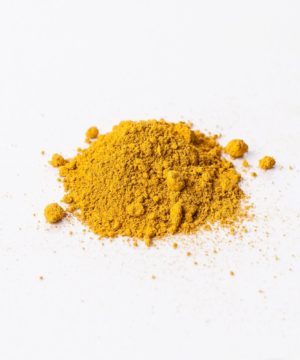
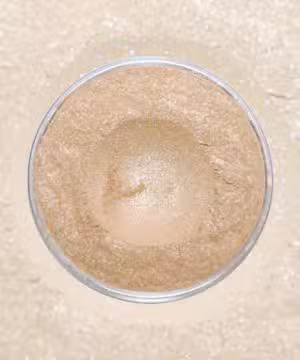
For precise color formulation, explore our range of pigment powders, where you will find concentrated yellow, red, and brown iron oxides. You can also leverage cosmetic clays to tweak your undertones naturally. French pink clay balances cool, rosy complexions, while yellow clay or ground annatto complements warm, golden skin (use annatto with caution—a micro-pinch goes a very long way). For richer, deeper complexions, Rhassoul clay provides beautiful earthy depth. To add a luminous, lit-from-within glow rather than a flat matte finish, blend in a touch of mica powders. Explore our detailed guide to natural skin tones in cosmetics for deeper blending techniques.
-
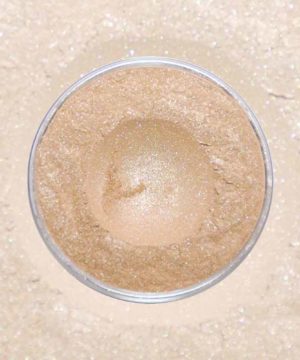 €1.61 €22.52Price range: €1.95€1.61 through €27.25€22.52 incl. VAT inc. VATExcl. VATSelect options This product has multiple variants. The options may be chosen on the product page
 -
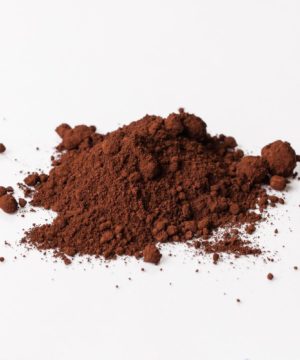 €1.45 €6.57Price range: €1.75€1.45 through €7.95€6.57 incl. VAT inc. VATExcl. VATSelect options This product has multiple variants. The options may be chosen on the product page
 -
 €1.45 €289.26Price range: €1.75€1.45 through €350.00€289.26 incl. VAT inc. VATExcl. VATSelect options This product has multiple variants. The options may be chosen on the product page


Three Simple DIY Face Powder Recipes
You do not need a high-tech lab to mix your own face powder. A precision digital scale and either a dedicated coffee grinder or a ceramic mortar and pestle are all it takes. Thoroughly grinding the mixture breaks up pigment clumps and guarantees a streak-free application. The formulas below use parts (ratios), making it easy to scale up or down based on your needs.
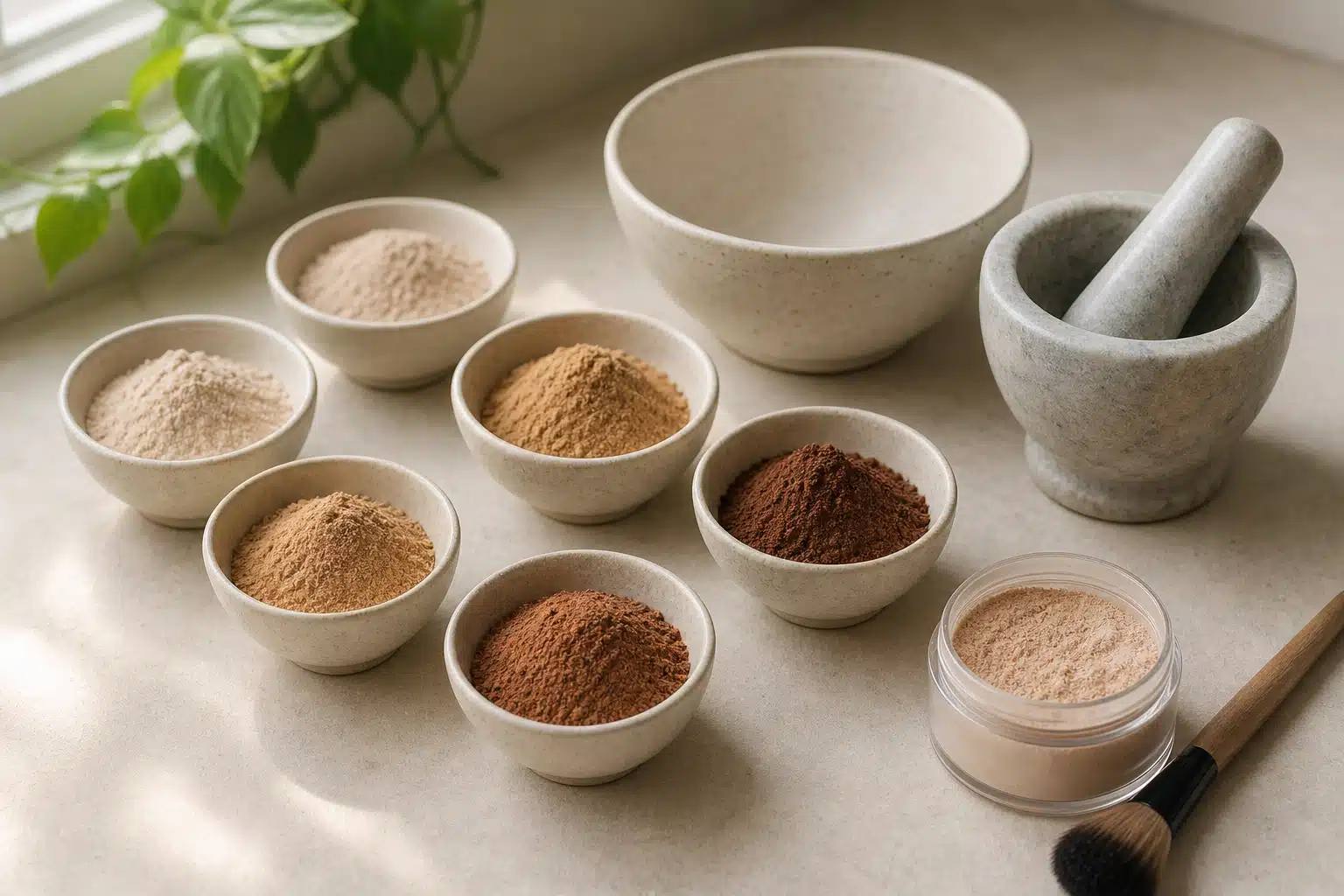
- Translucent Setting Powder: Blend 2 parts arrowroot powder with 0.5 part kaolin clay. Dust this over liquid makeup or apply it directly onto bare, moisturized skin to eliminate midday shine. If the blend looks slightly chalky on your skin tone, stir in a tiny pinch of cocoa powder, beige clay, or yellow clay to cancel out the white cast.
- Powder Foundation for Light to Medium Skin: Combine 2 parts arrowroot powder with 1 part kaolin clay. Gradually mix in 1/2 teaspoon of cocoa powder or cosmetic brown iron oxide. Adjust the undertone: add a pinch of French pink clay for cool complexions, or a pinch of yellow clay/annatto for warm undertones.
- Powder Foundation for Medium to Deep Skin: Mix 1 part arrowroot powder, 1 part kaolin clay, and 1 part cocoa powder or deep cosmetic clay. Deepen the shade with Rhassoul clay. If the powder reads too orange or light, incorporate activated charcoal or blue spirulina granule by granule. A hint of blue/black tempers overly warm tones and adds cool, rich depth without looking muddy.
If you prefer liquid formulas, take a look at our tutorial on how to make natural liquid foundation, or expand your collection with DIY bronzer and contour powder and making natural blush.
Perfecting Texture and Application
Pure dry powders can occasionally feel flyaway, chalky, or difficult to pick up on a brush. To give your powder a silky, pressed-powder feel and help it melt effortlessly into your skin, grind 3 to 5 drops of jojoba oil into the batch. Jojoba mimics the skin’s natural sebum, improving wear time and preventing a powdery appearance.
For the smoothest application, sweep your powder over a freshly prepped base using a natural primer. Store your finished blend in an airtight jar equipped with a sifter insert to prevent spills and keep your brush from loading up with excess product. As always, safely storing homemade cosmetics relies on sanitizing your equipment beforehand and keeping finished products away from humid bathroom air.
Swatching and Finding Your Perfect Shade
Loose powder can look deceptively light or dark in the jar. Always test your blend by dusting a small amount along your jawline and letting it sit for five minutes so it can interact with your skin’s natural oils and body heat. If the coverage looks too stark, adjust the pigment; if it looks flat, add a hint of satin mica. Gather everything you need with a dedicated DIY makeup starter kit and start crafting cosmetics tailored precisely to you.


