
Have you ever laid out all your DIY supplies for an afternoon of crafting, only to realize you are completely out of citric acid? Or perhaps you have found that commercial bath bombs leave your skin feeling dry, tight, or irritated? You are not alone. Many crafters actively seek milder alternatives that are kinder to sensitive skin. Fortunately, with a few simple ingredient adjustments, you can easily create a deeply restorative bath product. By balancing the right ratios and gentle substitutes, you can enjoy a luxurious, skin-soothing soak without the harsh sting.
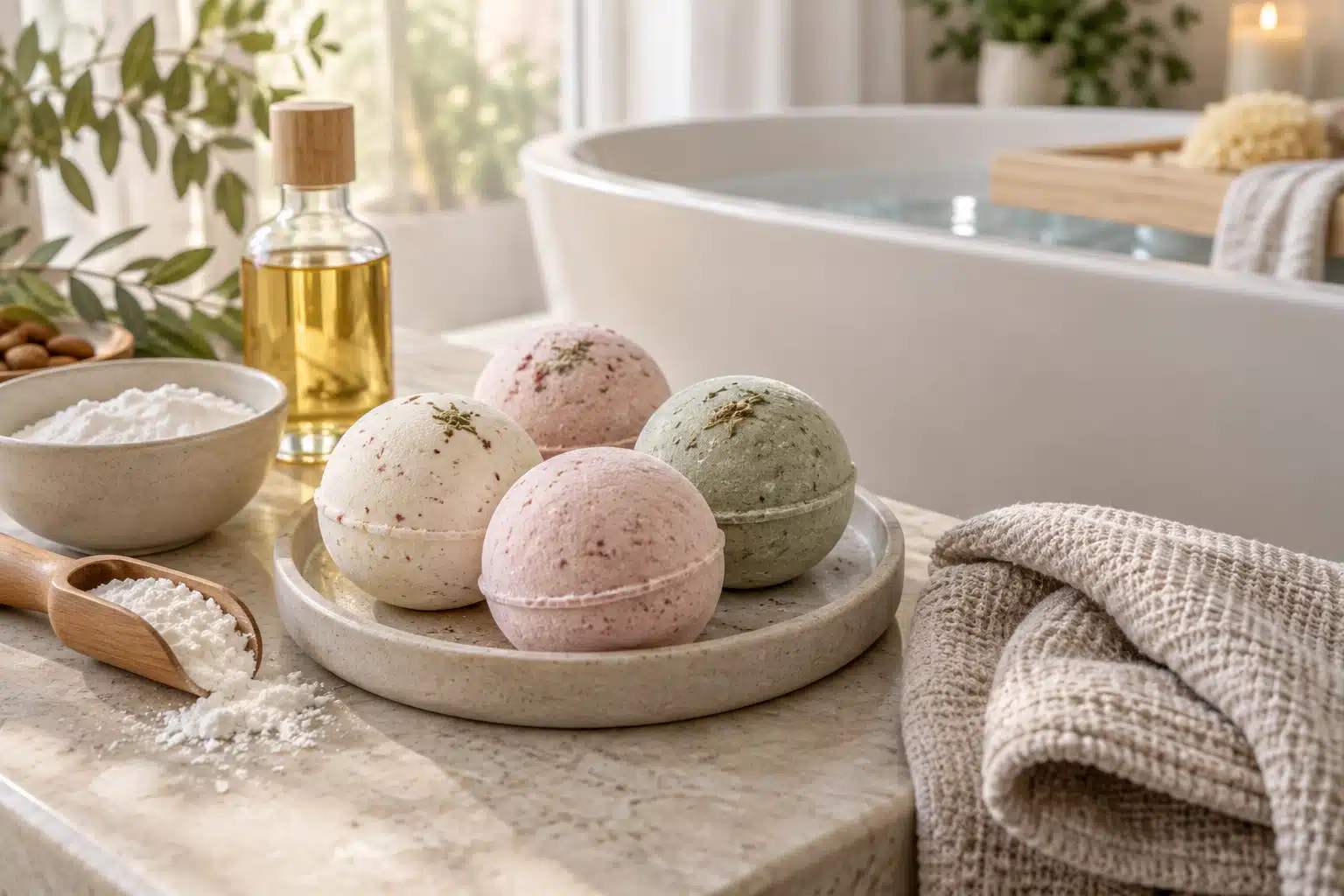
Why Make Bath Bombs Without Citric Acid?
The classic bath bomb fizz happens when sodium bicarbonate (baking soda) reacts with citric acid in warm water, releasing carbon dioxide gas. While this creates that familiar, energetic bubbling, it can be problematic for delicate skin. The skin’s natural acid mantle maintains a pH of around 5.5, and for anyone dealing with eczema or heightened sensitivity, this sudden acidic reaction can trigger redness or stinging.
Removing citric acid—or substituting it with a milder alternative—completely transforms the feel of your bath. While the resulting fizz is softer and more subtle, the experience is noticeably more nourishing. The bathwater takes on the velvety quality of a soothing milk bath or a conditioning bath melt. To better understand how the traditional acid-base reaction works, explore our guide on citric acid in bath bombs. When you skip aggressive acids, the focus naturally shifts to deep hydration and skin barrier support.
Which Substitutes Work Best?
Cream of tartar (potassium bitartrate) is by far the most effective substitute. A gentle, fine powder derived during the winemaking process, cream of tartar reacts with baking soda to produce a creamy, silky effervescence. A standard ratio of 1 part cream of tartar to 2 parts baking soda produces a firm, durable bath bomb that holds its shape beautifully while releasing a delicate froth in the tub.
Fresh lemon juice is another potential alternative. Although lemon juice naturally contains citric acid, it also introduces a significant amount of water. This extra moisture dulls the final fizz and drastically extends drying times—often requiring up to two full days to set. Water also runs the risk of activating your dry mix prematurely while you are working. If you do experiment with lemon juice, spritz it in very sparingly using a fine-mist spray bottle.
Essential Ingredients for Your Base Mix
Every successful bath bomb relies on a balance between dry powders and nourishing botanical lipids. Baking soda forms the bulk of your base, gently cleansing the skin while softening hard bathwater. You can read more about baking soda in bath products and its topical benefits across our crafting guides.
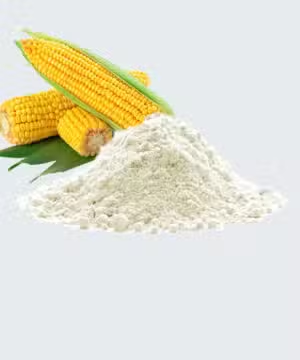
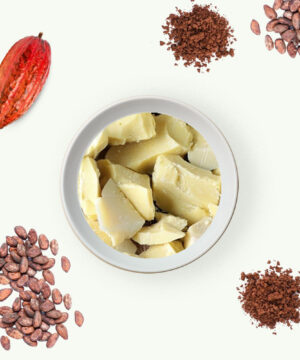
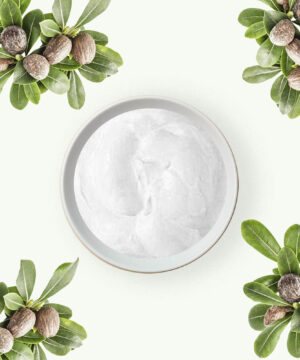
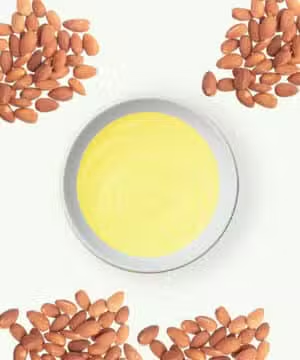
To give your mixture structure and ensure a balanced release, incorporate organic cornstarch. Cornstarch slows the dissolution rate, helping the bath bomb melt into the water gradually rather than disintegrating instantly. For deep conditioning, introduce a lightweight carrier oil, such as sweet almond oil, or melt in rich plant butters like shea or cocoa butter.
-
 €1.95 €33.02Price range: €1.95€1.95 through €39.95€33.02 incl. VAT inc. VATExcl. VATSelect options This product has multiple variants. The options may be chosen on the product page
 -
 €3.50 €49.95Price range: €3.50€3.50 through €49.95€49.95 incl. VAT inc. VATExcl. VATSelect options This product has multiple variants. The options may be chosen on the product page


Our curated selection of bath bomb butters and oils includes a variety of nourishing plant lipids designed to protect and replenish dry skin. To discover how different fats influence your final product, check out our guide on adding emollients to bath bombs.
-
€12.40 €537.15Price range: €15.00€12.40 through €649.95€537.15 incl. VAT inc. VATExcl. VATSelect options This product has multiple variants. The options may be chosen on the product page
-
€7.49 €269.95Price range: €7.49€7.49 through €269.95€269.95 incl. VAT inc. VATExcl. VATSelect options This product has multiple variants. The options may be chosen on the product page
-
€4.13 €1,330.28Price range: €4.50€4.13 through €1,450.00€1,330.28 incl. VAT inc. VATExcl. VATSelect options This product has multiple variants. The options may be chosen on the product page


A Proven Recipe Without Citric Acid
This balanced recipe uses cream of tartar to supply a mild effervescent reaction. The resulting bath bombs dry hard, release a smooth, milky froth, and leave your skin feeling remarkably soft.
Ingredients for a standard batch:
- 200 g baking soda (sodium bicarbonate)
- 100 g cream of tartar
- 30 g organic cornstarch
- 15 g sweet almond oil (or melted cocoa butter)
- 5 g skin-safe fragrance oil or essential oil
- Witch hazel or 99% isopropyl alcohol in a fine-mist spray bottle
Looking for alternative bases or inspiration for your next formula? Explore our comprehensive overview of bath bomb ingredients or browse our library of bath bomb recipes.
Step-by-Step Instructions
Careful blending is the secret to a smooth, durable finish. Work at an unhurried pace, ideally in a dry, low-humidity workspace.
- Sift the dry ingredients (baking soda, cream of tartar, and cornstarch) into a large mixing bowl to break up any clumps.
- In a separate small container, blend your carrier oil and fragrance thoroughly.
- Slowly drizzle the oil blend into the dry powders, working the mixture between your hands to disperse the fats evenly.
- Mist the powders lightly with witch hazel or alcohol, kneading continuously as you go.
- Test the moisture level: squeeze a handful of the mixture tightly. If it packs cleanly like damp beach sand without cracking, it is ready to mold.
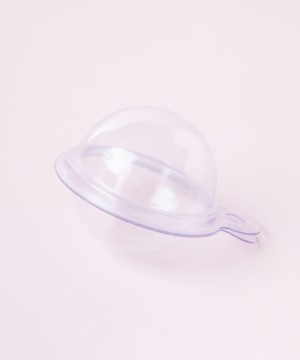
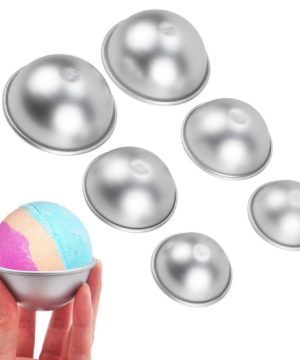
- Pack the mixture firmly into your molds, compress both halves together, and let the bombs cure in a dry, well-ventilated room for 24 to 48 hours.
-
-
 €0.79 €1.95Price range: €0.95€0.79 through €1.95€1.95 incl. VAT inc. VATExcl. VATSelect options This product has multiple variants. The options may be chosen on the product page


If you need sturdy equipment to shape your recipe, browse our collection of bath bomb molds. You can also follow along with our comprehensive, step-by-step bath bomb guide for additional formulation techniques.
Troubleshooting Common Issues
If a batch does not turn out quite as expected, these quick adjustments will get your recipe back on track:
- The mixture crumbles easily: The blend is too dry to bind. Give it another light misting of witch hazel and knead thoroughly until it packs smoothly.
- The bomb expands or ‘warts’ in the mold: Ambient humidity or excess moisture has activated the ingredients prematurely. Relocate your curing area to a drier room, and reduce your wetting agent next time.
- Cracks appear across the surface: The outside is drying faster than the core. Drape a clean, dry tea towel loosely over your molded bombs to slow the evaporation rate.
- The fizz is too weak: Check that your baking soda is fresh, or slightly increase the ratio of cream of tartar in your next batch.
Never throw away a broken batch! Simply crumble the fragments into a glass jar to use as effervescent bath salts. For deeper troubleshooting tips, consult our guide to bath bomb troubleshooting. If you want to experiment with alternative minerals, take a look at our bath bomb recipe without baking soda.
Fragrance and Color Safety
Always choose scents approved specifically for bath and body formulations. Check the IFRA compliance sheets to confirm safe maximum usage rates for leave-on and rinse-off bath products. Never apply concentrated essential oils directly to bare skin, and avoid using active scents on compromised skin barriers. Take extra precautions when making bath products intended for toddlers, young children, or pregnant individuals. If any ingredient causes redness or tingling, rinse the skin thoroughly with mild soap and running water.
Because botanical oils float on water, add an emulsifier like Polysorbate 20 or Polysorbate 80 to your liquid phase at a ratio of 1 part emulsifier to 2 parts oil. This blends the oils seamlessly into the bathwater rather than letting them pool on top, keeping both your skin moisturized and your tub free of slippery rings. For a splash of color, cosmetic-grade micas offer vibrant, tub-safe results.
Ready to start formulating your own gentle bath essentials? Explore our full collection of ingredients and tools for making bath bombs and build your dream soak from scratch.


