
Would you like to replace that heavy cloud of perfume in your home with the subtle scent of real plants? Many candle makers dream of creating candles that are completely natural. It sounds simple: melt some wax, add a few drops of oil, and you’re done. In practice, working with essential oils is an art in itself. These oils react very differently to heat than synthetic fragrances, which often results in a candle that barely releases any scent or burns unevenly.
It’s important to understand that essential oils are volatile substances. They weren’t designed in a lab to remain stable in hot wax. You need to know exactly how to use these natural powerhouses safely to achieve a result that both smells great and burns safely.
Essential Oil vs. Fragrance oils
Before you start pouring, you’ll need to decide between all-natural or maximum scent strength. In our fragrance oil vs. essential oil guide, we explain that fragrance oils are specially formulated to withstand heat. They provide a strong “hot throw”—the scent released while the candle is burning.
Essential oils are pure plant extracts. They offer aromatherapeutic benefits, but they evaporate more quickly at high temperatures. While fragrance oils in candles perform consistently, the scent and strength of an essential oil can vary from one harvest to the next. If you choose an essential oil, you’re choosing a more subtle, botanical experience.
-
 €2.36 €1,600.00Price range: €2.95€2.36 through €2,000.00€1,600.00 incl. VAT inc. VATExcl. VATSelect options This product has multiple variants. The options may be chosen on the product page
 -
€2.36 €268.00Price range: €2.95€2.36 through €335.00€268.00 incl. VAT inc. VATExcl. VATSelect options This product has multiple variants. The options may be chosen on the product page

Which oils work best in wax?
Not every plant is suitable for burning. Some light scents evaporate before you even light the candle, while heavy resins can clog the wick. For candle makers, the flash point is an important indicator. This is the temperature at which the oil releases vapors that can ignite. Although this is primarily a shipping metric, it also tells us something about how quickly a scent dissipates in hot wax.
Citrus oils, such as lemon and sweet orange, have a low flash point. They smell wonderfully fresh, but fade quickly if the wax is too hot. Woody oils, such as cedarwood, are more stable and serve as base notes. A smart trick is to combine different oils. In our guide to essential oil blends, you’ll learn how to combine top, middle, and base notes to create a scent that lasts longer.
-
 €4.76 €359.96Price range: €5.95€4.76 through €449.95€359.96 incl. VAT inc. VATExcl. VATSelect options This product has multiple variants. The options may be chosen on the product page
 -
 €3.16 €335.96Price range: €3.95€3.16 through €419.95€335.96 incl. VAT inc. VATExcl. VATSelect options This product has multiple variants. The options may be chosen on the product page
 -
 €3.16 €479.96Price range: €3.95€3.16 through €599.95€479.96 incl. VAT inc. VATExcl. VATSelect options This product has multiple variants. The options may be chosen on the product page
 -

 €3.16 €319.96Price range: €3.95€3.16 through €399.95€319.96 incl. VAT inc. VATExcl. VATSelect options This product has multiple variants. The options may be chosen on the product page
 -
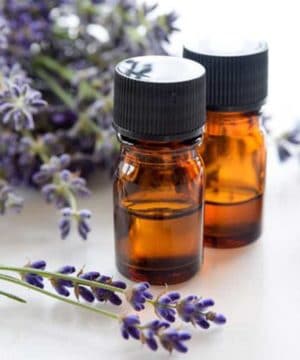
 €3.16 €479.96Price range: €3.95€3.16 through €599.95€479.96 incl. VAT inc. VATExcl. VATSelect options This product has multiple variants. The options may be chosen on the product page
 -
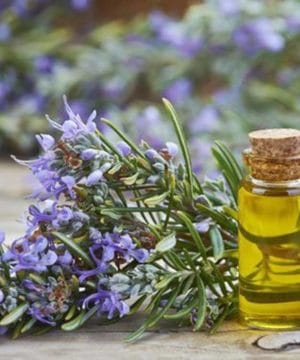
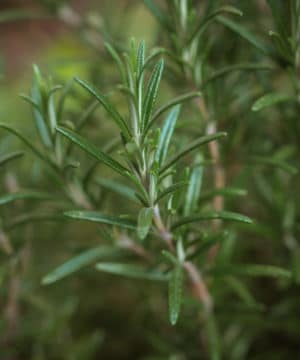 €3.16 €479.96Price range: €3.95€3.16 through €599.95€479.96 incl. VAT inc. VATExcl. VATSelect options This product has multiple variants. The options may be chosen on the product page
 -
 €3.16 €479.96Price range: €3.95€3.16 through €599.95€479.96 incl. VAT inc. VATExcl. VATSelect options This product has multiple variants. The options may be chosen on the product page
 -
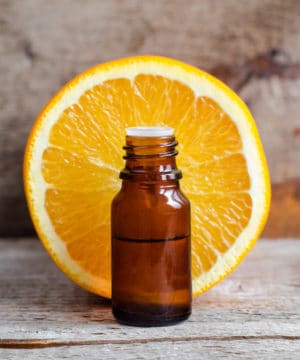 €2.36 €399.96Price range: €2.95€2.36 through €499.95€399.96 incl. VAT inc. VATExcl. VATSelect options This product has multiple variants. The options may be chosen on the product page


Choosing the Right Wax and Wick
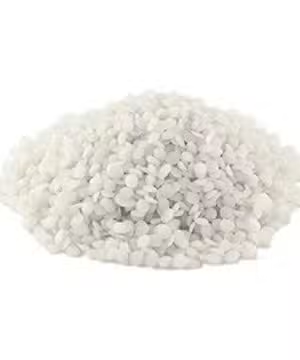
Your choice of candle wax determines how well the oil is retained. Natural waxes such as soy wax and beeswax complement the natural character of essential oils perfectly. Soy wax, such as Golden Wax 464, burns cleanly and slowly, which helps release the fragrance molecules gradually.
The wick is the heart of your candle. Because essential oils can affect the thickness of the melted wax, it’s crucial to choose the right wick. A wick that’s too small causes tunneling, while one that’s too large can cause the candle to smoke. Wooden wicks are very popular for natural candles because of their strong burn and cozy crackling sound.
-
€4.76 €2,640.00Price range: €5.95€4.76 through €3,300.00€2,640.00 incl. VAT inc. VATExcl. VATSelect options This product has multiple variants. The options may be chosen on the product page
-
€2.55 €261.80Price range: €3.19€2.55 through €327.25€261.80 incl. VAT inc. VATExcl. VATSelect options This product has multiple variants. The options may be chosen on the product page


Dosage and Temperature for Success
A common mistake is adding too much oil. You might think this will make the candle smell stronger, but too much oil causes it to “sweat.” This causes oil droplets to float on the wax, which can be a fire hazard. Most types of wax can contain between 6% and 10% fragrance. In our guide on how much fragrance oil to use in candles, we recommend always weighing the oil in grams, rather than measuring it in drops or milliliters.
Timing is everything. Add the essential oil once the wax has cooled to about 60–65 degrees Celsius. This is cooler than with synthetic fragrances, but it prevents the precious oil from evaporating into the air right away. Stir the mixture gently for at least two minutes. This allows the oil to bind properly to the laundry molecules. For more details on this process, check out our article on the ideal temperature for adding fragrance.
Safety and Curing
Of course, “natural” doesn’t always mean “safe.” Essential oils are extremely concentrated. Always follow the IFRA guidelines for safe concentrations. Also, be careful around pets and small children; some oils, such as peppermint or eucalyptus, can cause irritation or even be toxic to cats and dogs. Read more about this topic on our page about essential oil safety.
Patience is key when it comes to natural candles. After pouring, soy candles need to “cure” or harden for at least one to two weeks. During this resting period, the fragrance molecules settle into the crystalline structure of the wax. If you light the candle too soon, you’ll notice that the scent doesn’t spread as well as you’d expect.
Getting started step by step
When you’re ready to pour your first candle, follow these steps for professional results:
- Melt your wax in a double boiler to about 85 degrees Celsius, then remove the pan from the heat.
- Prepare your glass container by securing the wick in the center.
- Weigh your essential oil accurately (up to 10% of the total weight).
- Wait until the laundry has cooled to 60–65 degrees Celsius.
- Pour in the oil and stir slowly and thoroughly for two minutes.
- Pour the wax into your container and let the candle set undisturbed at room temperature for 24 hours.
- Let the candle rest for one to two weeks before lighting it for the first time.
Would you like to learn more about the basic process of candle making? Our step-by-step guide to making candles will walk you through every stage of your project. Experiment with different combinations and keep a log of your temperatures and results.
Discover our full selection of essential oils and start making your own natural scented candles today.


