
Have you ever wondered why some candle holders last for generations while others crack the moment they are exposed to heat? Crafting a high-quality candle holder involves far more than just molding a pretty shape or bending a piece of metal. It is a delicate balance between aesthetic design and rigorous fire safety. Whether you are a beginner or an experienced maker, understanding the production process is essential for creating pieces that are both beautiful and safe.
Safety: The Foundation of Every Design
A candle holder must be two things above all else: heat-resistant and stable. A wobbly base is a significant fire hazard. General safety guidelines recommend placing burning candles on stable, heat-resistant surfaces and keeping them at least 30 centimeters away from flammable materials. When designing a holder, it is crucial to include a feature that catches dripping wax, protecting your furniture from heat damage. For candles in glass, the container provides its own protection, but for pillar or taper candles, the holder is the primary safety barrier.
Ceramic Candle Holders: Precision and Technique
Handmade ceramic holders are created using several traditional techniques. One common method is “coil building,” where the piece is constructed from the bottom up, beginning with a wide, sturdy base. Another popular approach is slab construction, which allows for more architectural shapes.
When creating the “cup” or socket where the candle sits, makers must account for shrinkage. Clay loses moisture and volume as it dries and undergoes firing in the kiln. If the opening is sized exactly to the candle before firing, it likely won’t fit once finished. If you are using a candle mold for your candles, ensure you measure the diameter of the finished candle accurately before sculpting the holder to match.


When hand-forming ceramics, components are joined through “scoring”—roughing up the contact surfaces to create a strong bond. These seams are then pressed together and smoothed with specialized tools. While some artists prefer the organic feel of hand-building, others use a potter’s wheel for a perfectly symmetrical, professional finish.
Metal Holders: From Soldering to Forging
Metal remains a top choice for candle holders due to its absolute non-combustibility. DIY enthusiasts often use soldering techniques—joining metal components using a torch, flux, and solder. For those seeking a rustic or industrial aesthetic, thin sheet metal can be cut with tin snips and manipulated into shape using pliers.
For more durable, heirloom-quality pieces, forging mild steel is the traditional route. While this requires significant heat and specialized equipment, it yields incredibly sturdy results. Metal holders are particularly effective for larger installations. For instance, a wide metal base can safely support multiple candles in a large candle glass. Metal also acts as an excellent heat sink, effectively dissipating warmth and reducing the risk of overheating.
-
 €4.09 €123.93Price range: €4.95€4.09 through €149.95€123.93 incl. VAT inc. VATExcl. VATSelect options This product has multiple variants. The options may be chosen on the product page
 -
€3.26 €103.31Price range: €3.95€3.26 through €125.00€103.31 incl. VAT inc. VATExcl. VATSelect options This product has multiple variants. The options may be chosen on the product page
-
€2.64 €270.45Price range: €3.19€2.64 through €327.25€270.45 incl. VAT inc. VATExcl. VATSelect options This product has multiple variants. The options may be chosen on the product page


Mold Casting for Modern Shapes
Many contemporary makers choose to cast their holders using materials like concrete or plaster. This process is remarkably similar to casting candles in a mold. The material is mixed, poured into a silicone or acrylic mold, and left to cure. The primary advantage of casting is the ability to achieve sleek, complex geometric shapes with minimal manual sculpting. The key to a successful cast holder is a smooth interior finish, which ensures that any stray wax can be easily removed.
The Relationship Between Holder and Candle
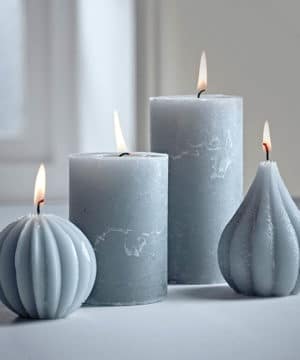
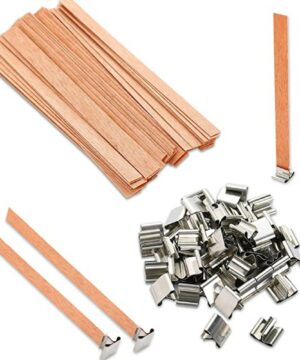
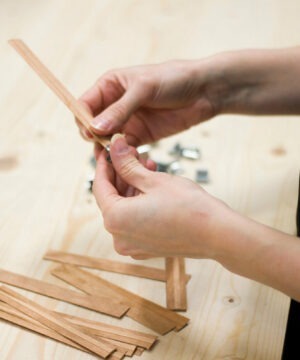
Once the holder is complete, the focus shifts to the candle itself. Selecting the right wick and the appropriate candle wax dictates how the flame will interact with your new creation. For example, a wooden candle wick provides a crackling sound and a robust flame that pairs beautifully with heavy metal or stone holders.
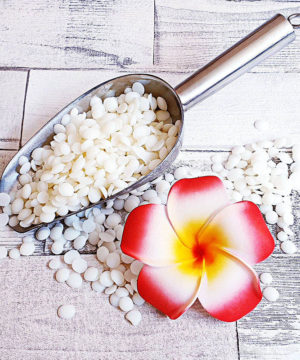
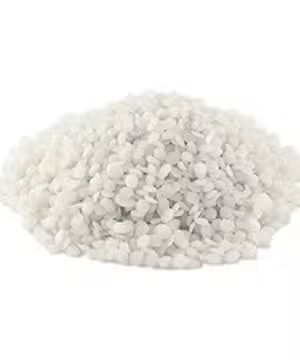
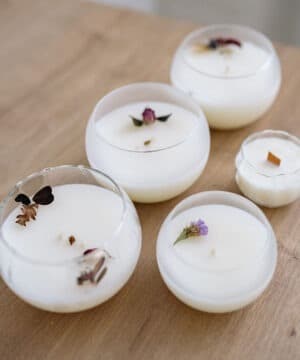
For a cleaner, more eco-friendly burn, soy wax is an excellent choice, as it produces less soot and keeps your holder looking pristine. Whether you use essential oils for fragrance or prefer an unscented glow, the synergy between the holder and the candle is what ultimately defines the atmosphere of your space.
-
€5.74 €115.66Price range: €6.95€5.74 through €139.95€115.66 incl. VAT inc. VATExcl. VATSelect options This product has multiple variants. The options may be chosen on the product page
-
 €2.44 €144.59Price range: €2.95€2.44 through €174.95€144.59 incl. VAT inc. VATExcl. VATSelect options This product has multiple variants. The options may be chosen on the product page
 -
-
 €7.40 €148.72Price range: €8.95€7.40 through €179.95€148.72 incl. VAT inc. VATExcl. VATSelect options This product has multiple variants. The options may be chosen on the product page
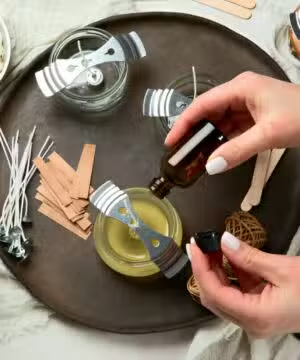


Creating a candle holder requires a keen eye for detail, regardless of whether you work with clay, metal, or casting compounds. Proper preparation and a deep understanding of your materials ensure that your finished product is not only a decorative highlight but a safe addition to your home. Experiment with these different techniques to find the style that best suits your interior. Explore our full range of candle wicks and supplies to begin your next project.


