
The Law Is Clear: Soap Is a Cosmetic Product
Under EU Regulation (EC) No 1223/2009, soap is legally classified as a cosmetic product whenever its intended purpose is to cleanse or beautify the skin. Regulators draw no distinction between an industrial plant producing metric tons of product and an artisan pouring ten bars in a home studio. The moment your soap is offered for sale—whether at a local weekend market or via an online storefront—it falls squarely under cosmetic legislation.

Compliance requires obtaining an official safety assessment and compiling comprehensive technical documentation. While the regulatory burden can feel intimidating, it exists just as much to protect your business as it does your customers. In the event that a user develops an adverse reaction, an airtight dossier proves that your formulation was rigorously evaluated and produced according to established standards.
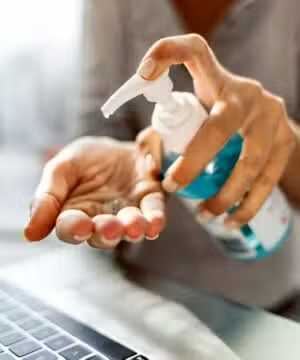

Different Soap Types and Their Inherent Risks
Not all soap bases carry the same risk profile. A product’s chemical makeup directly dictates the scope of laboratory testing required, and traditional lye-based bars differ fundamentally from melt-and-pour bases or liquid cleansers.
- Cold process soap naturally maintains an alkaline pH of roughly 9 to 10, creating an environment naturally hostile to bacterial life. However, formulating with perishable additives—such as goat’s milk, honey, purees, or fresh botanicals—changes the equation. These nutrient-rich additions can feed microorganisms and drastically accelerate spoilage.
- Melt and pour soap (glycerin soap) contains substantial amounts of glycerin, making it highly hygroscopic. Because it draws moisture directly out of the surrounding air, water beads can form on the surface and create breeding grounds for mold. As a result, melt and pour formulations often rely on robust preservative systems and strict hygiene practices during re-melting and pouring.
- Botanical and unrefined specialty soaps present the highest vulnerability to stability and microbial issues. Unrefined plant oils have shorter shelf lives and go rancid more readily, while raw plant botanicals can introduce wild environmental bacteria directly into your product.
In most scenarios, undergoing cosmetic stability testing is vital to determine how your formulation ages. Does the lather break down? Does the bar sweat, soften, or develop off-notes from rancidity? Pinpointing these vulnerabilities in the lab ensures they never reach your customers.
-

-
 €200.00 €450.00Price range: €242.00€200.00 through €544.50€450.00 incl. VAT inc. VATExcl. VATSelect options This product has multiple variants. The options may be chosen on the product page


What Is a CPSR and Do You Really Need One?
A Cosmetic Product Safety Report (CPSR) is a mandatory document verifying that a cosmetic formula is safe for human health when used under normal and foreseeable conditions. This report can only be issued by an accredited safety assessor holding recognized qualifications in toxicology, medicine, pharmacy, or a closely related discipline.
The CPSR consists of two core sections:
- Part A (Cosmetic Product Safety Information): Compiles all essential technical data, including quantitative composition, raw material documentation, microbiological quality, impurities, and exposure data.
- Part B (Cosmetic Product Safety Assessment): Delivers the safety assessor’s expert conclusion, scientific reasoning, and obligatory label warnings.
Selling soap in the EU or UK without a valid CPSR is entirely illegal—even on a micro-scale. Fortunately, if you manufacture several variations of a single core recipe (such as one base colored or fragranced with different essential oils), you can often submit a CPSR with variations to significantly cut down on certification fees.
Microbiological Testing and Shelf Life
Microbes require water to grow, which makes any water-containing formulation susceptible to contamination. While traditional cold process bars boast an inherently high pH that naturally suppresses most pathogens, assessors may still require microbial validation depending on your water activity levels and additive choices.
- Microbial limit testing quantifies and screens for aerobic mesophilic bacteria, yeast, and molds, confirming that your finished product is clean before it leaves your workshop.
- Preservative Efficacy Testing (PET or challenge testing) artificially introduces strains of bacteria and fungi to evaluate whether your preservative system successfully combats microbial growth over time.
- Stability testing tracks critical markers—such as pH shifts, color changes, scent degradation, and physical separation—to substantiate the realistic shelf life of the soap.
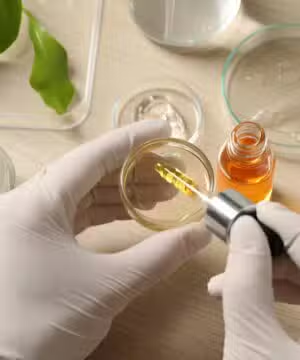

Setting Up Your Product Information File (PIF)
The CPSR is the central pillar of an even broader file: the Product Information File (PIF). A PIF is a complete digital or physical repository containing everything there is to know about your cosmetic product. It must hold technical data from every ingredient supplier, including Safety Data Sheets (SDS), Certificates of Analysis (COA), and IFRA conformances for fragrances.
You must also substantiate that your manufacturing follows Good Manufacturing Practice (GMP), outlined under ISO 22716. This involves keeping rigorous batch records: logging specific ingredient lot numbers, production dates, net weights, and equipment sanitation steps. Comprehensive records ensure traceability in the event of an audit or product recall. If assembling this dossier feels daunting, you can lean on professional services for compiling your PIF to ensure nothing slips through the cracks.

Compliant Labeling and Proper Terminology
Once your soap has cured, cut, and dried, packaging it correctly is the final compliance step. Cosmetic labeling is designed around consumer transparency and safety, leaving no room for guesswork.
Key legal requirements include:
- The INCI list: All ingredients must be identified by their official International Nomenclature of Cosmetic Ingredients (INCI) names, listed in descending order of weight (for ingredients present at concentrations greater than 1%).
- Allergen disclosure: While general scents are labeled as “Parfum” or “Aroma,” any of the recognized declarable fragrance allergens must be explicitly listed if they exceed 0.01% in rinse-off formulations.
- Traceability and durability: The packaging must clearly state the name and address of your designated Responsible Person (RP), the batch/lot code, and an appropriate durability indicator—either an explicit “Best Before” date or a Period-After-Opening (PAO) symbol.
Be extremely disciplined with your marketing language. Soap cannot legally be claimed to treat eczema, clear up acne, or soothe psoriasis. Therapeutic and medicinal claims automatically reclassify your product as a drug or medical device, which brings severe legal penalties if you have not met the corresponding pharmaceutical standards.
-
 €0.65 €0.74Price range: €0.79€0.65 through €0.89€0.74 incl. VAT inc. VATExcl. VATSelect options This product has multiple variants. The options may be chosen on the product page
 -
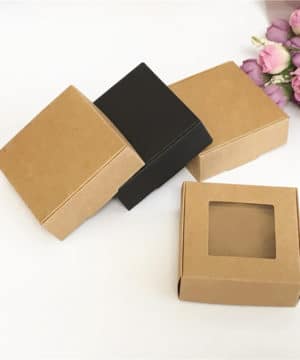 €0.65 €0.74Price range: €0.79€0.65 through €0.89€0.74 incl. VAT inc. VATExcl. VATSelect options This product has multiple variants. The options may be chosen on the product page


Getting Started as a Responsible Soap Maker
Tackling cosmetic legislation requires an upfront investment of time and diligence, but it quickly turns into second nature once your processes are organized. Build a clean filing system for your raw material COAs, source dependable ingredients, and consult with a reputable safety assessor early in your formulation stage.
If you are ready to take your brand from a kitchen project to a compliant business, review our detailed overview for a PIF and safety assessment or get in touch for guidance on navigating safety files and regulatory notifications. True artisanal craftsmanship is about quality ingredients and creativity, but professional-grade compliance is what makes your business viable for the long haul.


