
If you’re just starting out making candles, it’s very tempting to use everyday household ingredients. However, we strongly advise against this if you want a safe and beautiful candle. Food coloring is often water-based. Since water and oil (or wax) don’t mix, this results in unsightly splatters and a candle that crackles dangerously.
Wax crayons or colored pencils are also an absolute no-go. They contain pigments that are far too coarse. They don’t dissolve completely, causing the candle wick to become clogged. The result is a candle that smokes, smells bad, or keeps going out on its own. Professional dyes are specifically formulated to fully bind with the wax without interfering with the burn. In our guide to “5 Things Every Beginner Candle Maker Should Know,” we go into more detail about the right basic supplies.
What kind of candle dye is right for your project?
Not all dyes work the same way. Your choice depends on the type of laundry and the desired end result. For best results, add the dye once the laundry has reached a temperature of about 85°C.
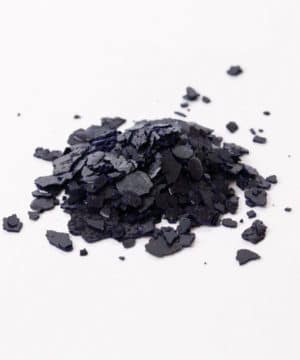
- Dye cubes and flakes: These are great for consistency. The amount of dye per flake is fixed, making it easier to reproduce the same color in subsequent batches. Use about 1 gram of dye per kilogram of wax for lighter shades and 2 grams per kilogram for deeper colors. They dissolve very well in soy wax, paraffin, and palm wax.
- Liquid dyes: These are highly concentrated and ideal for mixing unique shades. They dissolve quickly, which reduces the risk of streaks.
- Natural dyes: For the eco-conscious maker, there are dyes derived from plant, animal, or mineral sources. This is a sustainable option that pairs well with natural fabrics.
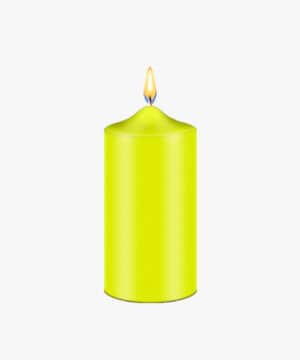
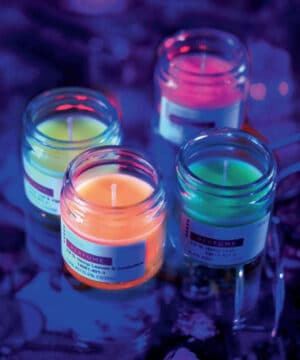
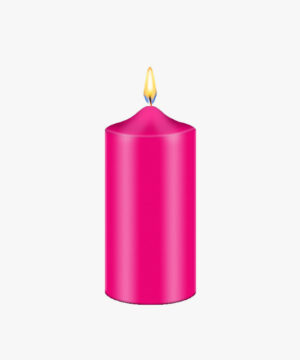
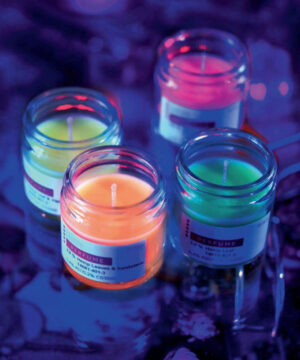
- Neon dyes: Want to really stand out? Neon colors add amazing depth, and some varieties even glow under black light. These are perfect for both jar candles and freestanding pillar candles.
-
 Original price was: €17.07€14.11.€12.36€12.36Current price is: €12.36€12.36. incl. VAT inc. VATExcl. VATAdd to cart
 -
 €1.24 €189.95Price range: €1.50€1.24 through €189.95€189.95 incl. VAT inc. VATExcl. VATSelect options This product has multiple variants. The options may be chosen on the product page
 -
 €1.24 €20.62Price range: €1.50€1.24 through €24.95€20.62 incl. VAT inc. VATExcl. VATSelect options This product has multiple variants. The options may be chosen on the product page
 -
 €1.24 €144.95Price range: €1.50€1.24 through €144.95€144.95 incl. VAT inc. VATExcl. VATSelect options This product has multiple variants. The options may be chosen on the product page
 -
 €1.24 €144.59Price range: €1.50€1.24 through €174.95€144.59 incl. VAT inc. VATExcl. VATSelect options This product has multiple variants. The options may be chosen on the product page
 -
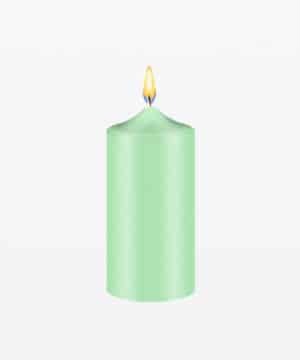
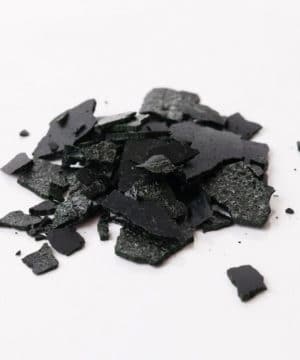 €1.24 €20.62Price range: €1.50€1.24 through €24.95€20.62 incl. VAT inc. VATExcl. VATSelect options This product has multiple variants. The options may be chosen on the product page
 -
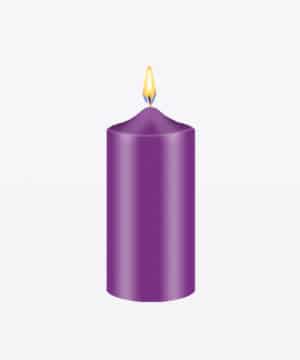
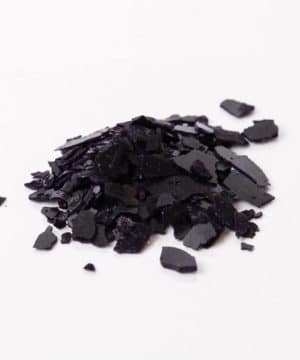 €1.24 €20.62Price range: €1.50€1.24 through €24.95€20.62 incl. VAT inc. VATExcl. VATSelect options This product has multiple variants. The options may be chosen on the product page




Add Shine with Mica Powders
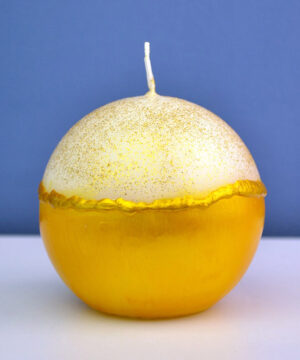
Do you want that luxurious, shimmering effect? Then you’ll quickly turn to mica powders. Mica is a mineral that gives a beautiful pearlescent sheen. There is one important caveat, though: mica doesn’t dissolve in wax, but floats in it as tiny particles. If you use too much, the wick will clog and your candle won’t burn properly. So use mica sparingly—for example, to create a subtle swirl on top of a jar candle or on the outside of a candle. For wax melts, however, mica is ideal because they don’t have a wick.
The Effect of the Wash Cycle on Color
The wash you choose plays a major role in determining how the color looks. Each wash reacts differently to pigments.
- Soy wax: Soy is naturally white and opaque. Colors often take on a softer, pastel-like appearance in this wax. Its crystalline structure can reduce color intensity compared to paraffin.
- Paraffin wax: Because paraffin is more transparent, colors appear bright and vivid. It’s the easiest wax to use for achieving deep, dark colors. You can read more about these differences in the comparison between soy wax and paraffin wax.
- Gel wax: This is completely transparent. Dyes remain transparent in it, creating a stained-glass effect. Please note: Not all dyes (such as certain flakes) are suitable for gel wax because they can affect its clarity.
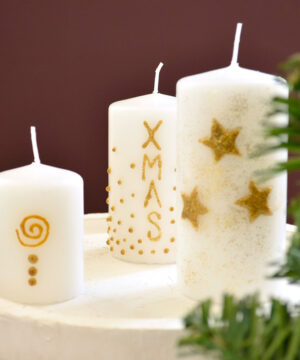
Decorating with Candles and Wax Pens
With candle wax pens, you can draw or write on the outside of a finished candle. The creamy wax in these pens sets quickly and adheres well to the surface. It’s perfect for adding details, names, or patterns that you can’t achieve through pouring. The wax is water-based and burns off safely without leaving any residue. First, clean and dry the candle with a cloth to ensure good adhesion. If you make a mistake, you can often gently scrape off the wax with a fingernail or a blunt object.


Common Problems and Solutions
Even experienced creators face challenges when it comes to coloring. Here are solutions to the most common frustrations.
- White Residue (Frosting): With plant-based waxes, such as soy wax, you’ll often see white crystals form. This doesn’t affect the burn, but it doesn’t look as smooth. It helps to preheat your glassware and pour at a lower temperature.
- Color Fading Caused by Light: UV light can cause colors to fade quickly, especially purple and blue. Use a UV inhibitor to prevent this, or store your candles in a dark place. You can find more tips in our guide on how to prevent candle wax from discoloring.
- Yellowing Caused by Fragrance Oils: Fragrances with high levels of vanillin can cause white laundry to turn yellow. In that case, you can add a small amount of white dye to neutralize the yellow tint.
- The color sinks to the bottom: This happens when the dye hasn’t set properly, often because the temperature was too low when it was added. Maintain a temperature of 85°C and stir gently for at least two minutes.
Coloring candles takes some practice and patience. Whether you choose subtle pastel colors in a glass candle or a bold neon color in a silicone mold, the right technique makes all the difference. Always test your combinations with a burn test to see how the color affects the flame, and enjoy your unique creations.


