
Imagine lighting a homemade candle and filling your room with the subtle, fresh aroma of real botanicals rather than the heavy, overpowering cloud of a synthetic perfume. Many makers dream of crafting 100% natural candles using essential oils. While it sounds like the perfect scenario, in practice, beginners often face disappointment. You might find that the candle barely releases any scent while burning, or that the flame sputters and burns unevenly.
Working with essential oils in candles is a craft in its own right. Unlike fragrance oils, which are specifically engineered for stable performance in hot wax, essential oils are volatile, natural substances. You need to know exactly how to handle these powerful extracts safely and effectively to achieve a successful result.

The Difference Between Essential Oils and Fragrance Oils
Before you start pouring, it is crucial to understand that essential oils behave very differently from their synthetic counterparts. The choice between fragrance oil versus essential oil often comes down to balancing a desire for all-natural ingredients with the need for scent strength. Fragrance oils are lab-created to bind perfectly with waxes like paraffin or soy, providing a strong scent throw when the candle is lit (known as the ‘hot throw’).
Essential oils, on the other hand, are pure plant extracts. They are significantly more volatile, meaning they evaporate faster or can change their scent profile when exposed to high heat. As explained in our guide on fragrance oil in candles, fragrance oils are generally more stable, though they lack the therapeutic properties associated with essential oils. If you choose the natural route, you must pay extra attention to the flash point and density of the oil.
Which Essential Oils Work Well in Candles?
Not every essential oil is suitable for combustion. Some delicate floral oils will simply burn off before they can release any fragrance, while heavy resins can clog the wick. For candle makers, the “flash point” is a key indicator of volatility. If you add an oil with a low flash point to wax that is too hot, a large portion of the scent will evaporate into the air immediately. The goal is to trap the scent within the wax so it releases slowly later.
Citrus oils like lemon, orange, and bergamot generally have lower flash points, often around 60-65°C. They smell wonderfully fresh but dissipate quickly if the wax is too hot. Woody and resinous oils, such as cedarwood, patchouli, and frankincense, act as base notes. They are more stable and linger longer while the candle burns. Smart makers often combine a volatile top note with a stable base note for the best performance.
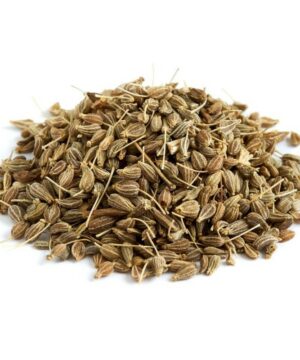
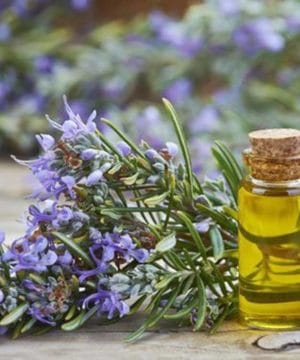
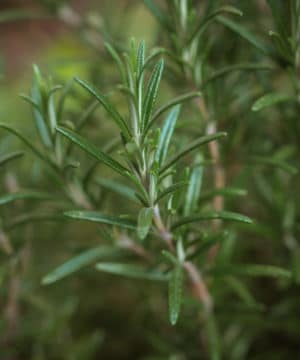
Here are some popular essential oils that work well in candles, ranging from fresh top notes to deep base notes, including soothing Frankincense, powerful Rosemary, fresh Bergamot, and the spicy tones of Sage and Anise Seed:
-
€4.95 – €289.95 incl. VAT Select options This product has multiple variants. The options may be chosen on the product page
-
€3.95 – €449.95 incl. VAT Notify me when in stock This product has multiple variants. The options may be chosen on the product page
-
€3.95 – €599.95 incl. VAT Select options This product has multiple variants. The options may be chosen on the product page
-
€3.95 – €599.95 incl. VAT Select options This product has multiple variants. The options may be chosen on the product page
-
€7.95 – €1,199.95 incl. VAT Select options This product has multiple variants. The options may be chosen on the product page




Dosage and Processing
A common misconception is that more oil automatically equals more scent. However, overloading your candle with essential oil can destabilize the wax structure, causing the candle to ‘sweat.’ This occurs when the oil seeps out and pools on top of the wax, which can lead to dangerous flare-ups. For most types of candle wax, such as soy wax, the safe and effective load is usually between 6% and 10%. This means using approximately 6 to 10 grams of essential oil for every 100 grams of wax.
Because essential oils are heat-sensitive, they should be added later in the process than synthetic fragrance oils. Melt your wax and remove the pot from the heat source. Wait until the temperature has dropped to about 60-65°C, depending on your specific wax type. Only then should you add the oil. Stir gently but thoroughly for at least two minutes. This ensures the oil binds to the wax molecules without evaporating immediately. You can read more about this technique in our article on long-lasting candle scents.
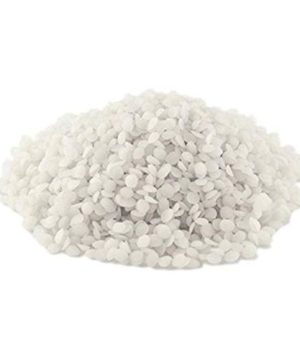
After pouring, patience is key. Especially with natural waxes like soy and beeswax, the candle needs to ‘cure’ or ripen for at least 1 to 2 weeks. During this time, the oil integrates completely into the crystalline structure of the wax, ensuring a better burn and a stronger scent throw.
-
€3.19 – €327.25 incl. VAT Select options This product has multiple variants. The options may be chosen on the product page
Safety and Guidelines
Just because a product is natural doesn’t guarantee it is safe in all contexts. Essential oils are highly concentrated substances. For candle makers, the IFRA (International Fragrance Association) standards are the go-to guidelines. Candles fall under Category 12. These standards dictate the maximum percentage of specific oils allowed to avoid safety risks. Although the limits for Category 12 are often generous because there is no direct skin contact, inhaling the scent during combustion can still cause respiratory irritation if the concentration is too high.
Also, be mindful of pets. Some essential oils can be toxic to cats and dogs if dispersed in the air in high concentrations. Always ensure the room is well-ventilated when burning your candles.
Choosing the Right Wick and Container
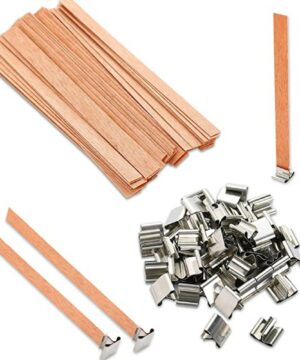
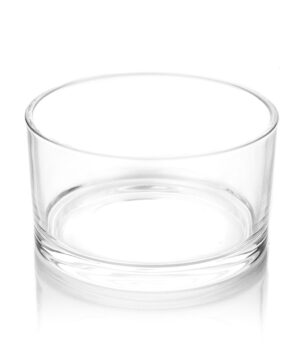
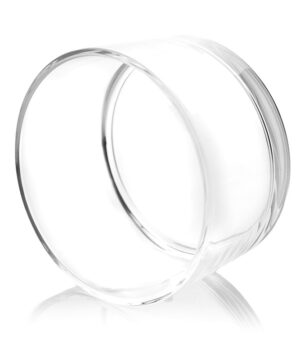
Essential oils can influence the viscosity, or thickness, of the melted wax pool. You will need to adjust your wick choice accordingly. A heavy, resinous oil can clog a standard cotton wick more quickly than a synthetic fragrance oil would. Wooden candle wicks are a popular choice for natural candles. They often provide a slightly stronger burn that handles heavier oils well, with the added bonus of a cozy crackling sound. Additionally, ensure you use a safe glass container that is heat-resistant and wide enough for your chosen wick.
-
€2.95 – €174.95 incl. VAT Select options This product has multiple variants. The options may be chosen on the product page

Getting Started Step-by-Step
If you are ready to pour your first essential oil candle, follow a process that prioritizes precision. Start by melting the wax using a double boiler. While the wax melts, secure your wick in the container. The most critical moment is scenting the wax: measure your essential oil precisely by weight, not volume. Let the melted wax cool to the correct addition point—usually around 60-65°C—before pouring in the oil. Stir the mixture gently for at least two minutes to guarantee a strong bond. Pour the wax into the container, center the wick, and let the candle set for at least 24 hours. Don’t forget to let the candle cure for an additional 1 to 2 weeks for the best olfactory result.
Want to dive deeper into the details of the process? Read our guide on how to make a container candle. Making candles with essential oils requires some experimentation, but once you find your perfect recipe, the reward is well worth it. Start with simple, safe oils and keep a log of your temperatures and ratios.
View our full range of candle making supplies and discover which natural scents suit you best.


