Wanneer is een UFI-code en een PCN-melding vereist voor kaarsen

When is a UFI code and PCN notification required for candles?

From a chemical point of view, candles are considered “mixtures” on a carrier (the wick). As a result, candles fall within the Classification, Labeling and Packaging (CLP) and associated UFI code legislation. Candles consist mainly of harmless wax that does not need to be classified. Candles usually contain fragrance and color additives, some of which […]

How to solve air bubbles in candle wax

During manufacturing, the soybean oil that eventually becomes soy wax is constantly stirred and agitated, which allows air into the oil. Occasionally, some of that air gets trapped in the wax during the flaking process, and is released when the wax is melted down for candle making. If your wax contains excess air, you might […]

CLP label making

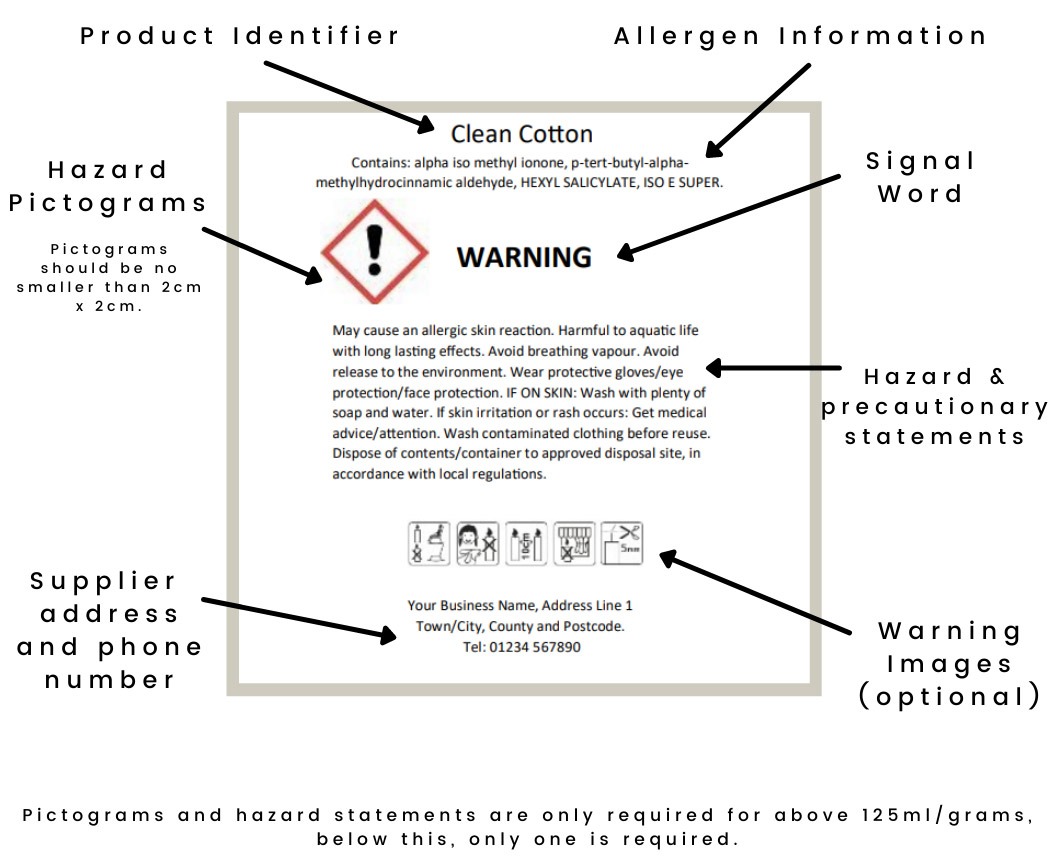
The CLP Regulation is a 2008 European Union regulation that aligns the EU system of classification, labeling and packaging of chemical substances and mixtures with the globally harmonized system. In order to sell your candles and craft products to the public, you need to make sure that all of your products comply with the CLP […]

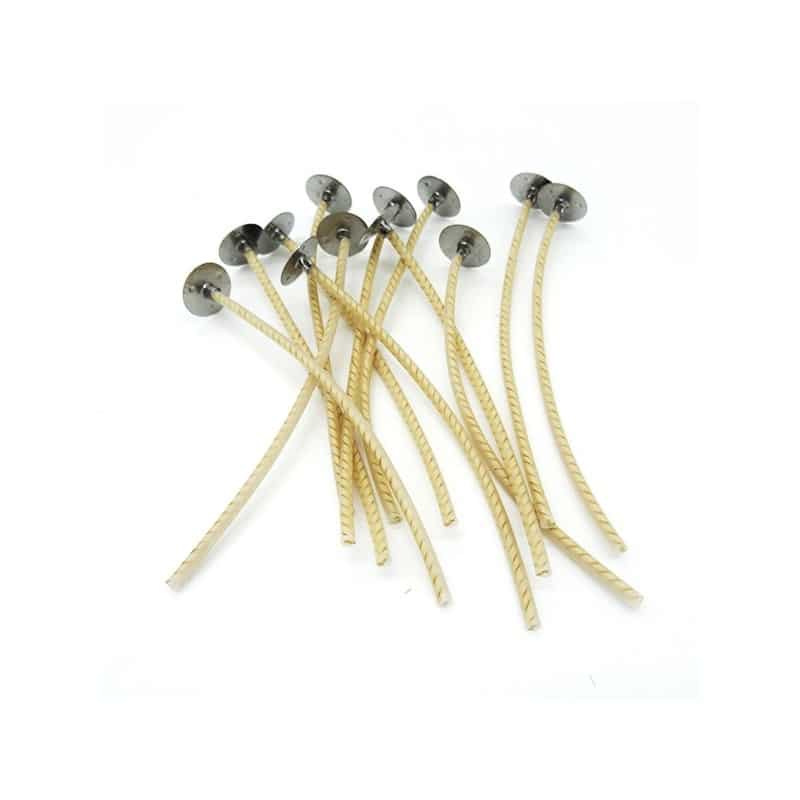
TCR Series Candle Wick - TCR 21/12

How are candle wicks made?

We get tons of questions about wick assemblies every day at YouWish. This article describes what a wick assembly is, how it’s made, and what each component does. Raw Wick At the core of all assemblies is raw wick. Raw wick refers to the woven fibers alone without wax coating or tabs. The raw wick […]

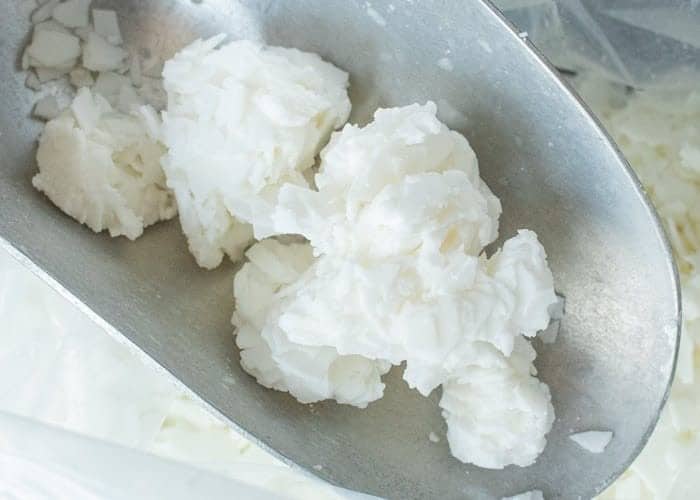
A beginner’s guide: Candle Waxes

Every autumn, summer nights give way to cool, crisp evenings. If you’re anything like us, you pull out the cozy blanket and most likely light a few candles; there’s nothing like a warm, comforting light to take the chill out of the air! Candle making is a great way to extend your favorite fragrance formulations […]

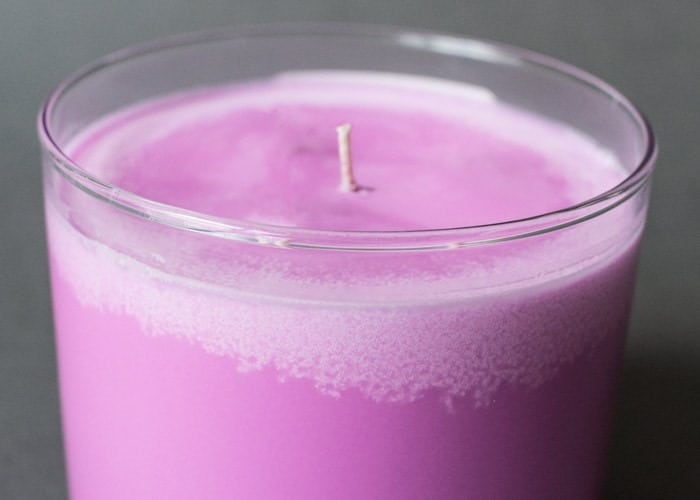
How to solve candle frosting?

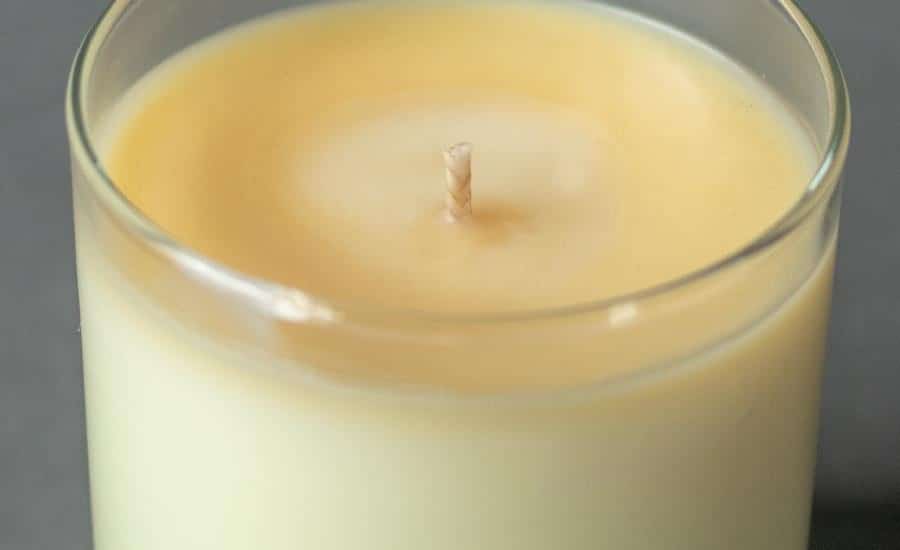
Frosting is a byproduct of a natural wax, and is caused by the growth of tiny crystals on the surfaces of the wax. All soy wax will frost over time, but luckily frosting is solely an aesthetic issue and does not affect the way your candle burns or smells. Mix melted wax less vigorously Over-agitating […]

Hobby store candle making

Candle making is a popular hobby that allows individuals to create their own unique and fragrant candles. Whether you want to make candles as a creative outlet or to give as a gift, a candle making hobby store can provide you with all the supplies and materials you need to get started. YouWish is a […]

How to solve clumpy and wet candle wax

Soy wax is a natural product, and may vary slightly from batch to batch. Sometimes you will get oily flakes that clump together and sometimes they will be very dry and crisp. When the wax is clumpy or oily it is usually due to the outside temperature or higher oil content in the wax. This […]

How to solve cloudy candle wax

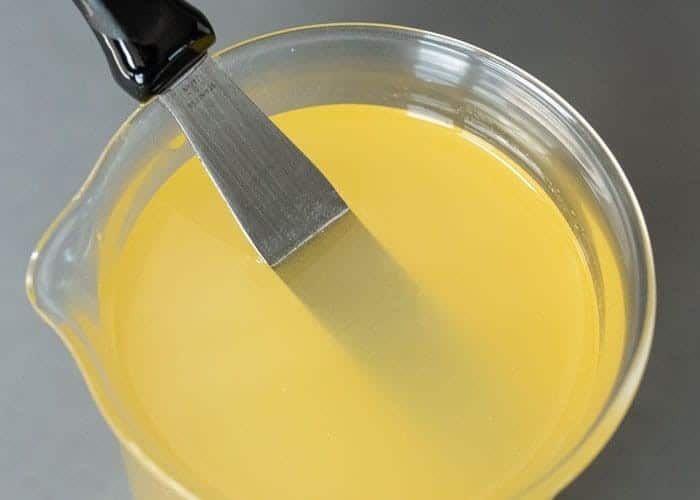
During the manufacturing process, the soybean oil is being constantly stirred which allows air into the oil. As the wax undergoes flaking, condensation from that process may soak into the flakes in small amounts. When you melt your soy wax, it will typically become clear as all the flakes melt, but on occasion you may […]

How to prevent candle wax discoloring

Whether you add color to your candles or leave them dye-free, they will be affected by natural and/or artificial light at some point. Like the way sunlight will turn white fabrics yellow or cause bright colors to fade, dye-free candles will start to yellow and dyed wax will eventually fade. Fragrances with a high vanillin […]