
Many people looking for natural skin care end up discovering how gentle yet effective apricot kernel oil can be. This vegetable oil has become a favorite among people who make their own beauty products because it adds moisture, comfort and versatility without feeling heavy or greasy on the skin. It adds many vitamins and healthy fatty acids to facial oils, massage blends and hair masks that help keep the skin and scalp healthy. We will talk about what makes apricot kernel oil so special, how to use it on your hair and skin, how to choose the best oil and how to make your own cosmetics at home.
What makes apricot kernel oil so special?
Apricot kernel oil is special because it balances hydration and does not suffocate the skin barrier. Oleic and linoleic acids are two building blocks that help keep the lipid layer healthy. Because of this structure, the oil spreads easily, absorbs quickly and helps restore suppleness to dry or stressed skin. Your skin doesn’t feel sticky, like heavier oils, and the surface of your skin doesn’t become less breathable, so you can use it every day or as part of a layered routine.
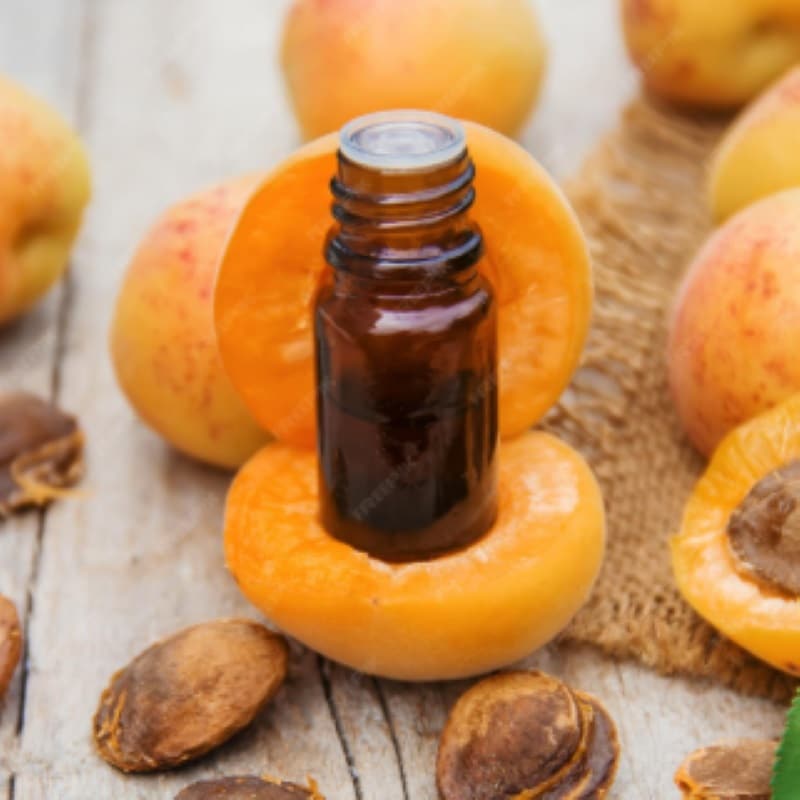
Another reason why people like to use apricot kernel oil in their own recipes is that it goes well with other ingredients. Even people who are sensitive to rich oils are usually not bothered by it. It works well in leave-on hair products, serums, cleansing balms and moisturizers without changing the texture. This benefit that can be used for many things makes it a great addition to any DIY beauty cabinet.
Best uses and Apricot kernel oil for skin
Apricot kernel oil for skin is an excellent choice for anyone who wants a gentle but effective moisturizer. The oil softens rough or flaky patches, soothes discomfort after washing and reduces the tight feeling that occurs when the skin barrier is under pressure. It helps keep skin hydrated for long periods of time by enhancing natural lipids rather than just coating the surface. Because of this lipid compatibility, the skin becomes more and more accustomed to it over time.
One of the best things about apricot kernel oil for skin is that it can help sensitive or reactive skin. People who can’t stand complicated formulas or scented creams are often better off with a simple routine: a mild cleanser and a few drops of oil. It works best after exfoliation or when the weather is cold and the skin is exposed to dry air and wind. Many people who make their own skin care products mix the oil with humectants such as glycerin or sodium PCA to make light moisturizers.
The best ways to use apricot kernel oil for skin in homemade skin care products
- Add 10-30% of the oil to lotion formulations for extra softness
- Mix with rosehip or jojoba for an antioxidant-rich facial oil
- Use 3-5 drops immediately after cleansing for a minimalist nighttime routine
- Add it to cleansing balms to improve glide and rinse-off feel
- Use it in baby-friendly balms because of its mildness (without essential oils)
Apricot kernel oil for skin comes in several forms, making it a versatile ingredient for do-it-yourselfers of all levels, from beginners to experts.
Deep care and shine boost: apricot kernel oil for hair masks
When you apply apricot kernel oil to your hair for hair masks, it helps nourish dry ends, tame frizz and make it shine more. Hair that is frequently washed, colored, heat styled or exposed to the sun loses lipids over time. Oil penetrates deeper into the hair fiber than heavy butters, softening hair without making it heavy. It also helps prevent hair breakage by making hair more elastic at the tips and mid-length.
Apricot kernel oil for hair masks is different from other oils because it can soothe the scalp. Rubbing a little into the scalp can help with dryness, irritation or a tight feeling, and it can also help maintain healthy moisture levels. It does not leave a greasy film on the scalp because the oil is not too thick and is easy to wash out. People who don’t like silicone often find that this oil makes hair smoother without adding an extra layer.
DIY recipes with apricot kernel oil for hair masks
- Mask for damaged tips: 2 tablespoons apricot kernel oil + 1 teaspoon avocado oil
- Scalp treatment: warm 1 tablespoon of oil between hands and massage in for 5 minutes
- Balm for curl definition: 1 tablespoon of oil mixed with shea butter and aloe vera gel
- Gloss treatment: apply a pea-sized amount to dry hair before styling
Apricot kernel oil for hair masks helps restore shine and softness to the most stressed parts of your hair, whether you use it once a week or once a month.
Choose high-quality apricot kernel oil
Not all oils on the market work the same. If you are looking to buy apricot kernel oil, the quality of the product determines how well the oil works. Cold-pressed extraction, 100% purity and as little refining as possible are the most important things to look out for. Cold-pressed oil retains the vitamins and fatty acids that are best for skin and hair, but refined oils can lose some of their nutrients.
If you are looking to buy apricot kernel oil, another important choice is where it comes from and how long it lasts. Oils made from high-quality kernels and picked without pesticides are better for personal care. Labels like “organic” are not mandatory, but they can help people who want to make their own good-quality skin and hair care products.
What to look out for when comparing apricot kernel oil buying:
- Cold-pressed and unrefined (most nutritious)
- Stored in dark or UV-resistant bottles
- With no added perfumes, preservatives or mineral oils
- Reliable INCI labeling: Prunus Armeniaca Kernel Oil
- Clear information on supplier origin
When manufacturers choose to buy well-produced apricot kernel oil, they get much better results, especially in skin and hair formulations that you don’t rinse off, where quality directly affects results.
How apricot kernel oil compares to other vegetable oils
Some people are not sure if apricot kernel oil is too similar to almond oil or jojoba oil. Apricot kernel oil has a slightly lighter texture and absorbs faster, even though both oils have moisturizing properties. This makes it better for people who don’t like greasy residue. It also mixes easily with water-in-oil systems, which gives lotion manufacturers more freedom to make smooth emulsions.
Apricot kernel oil does not harden like coconut oil and is less likely to cause acne. This makes it more suitable for face and scalp products. It has a light, natural scent rather than a strong or nutty smell, which is nice when making skin care products that don’t smell or focus on fragrance.
Frequently Asked Questions
V1. Is apricot kernel oil good for acne-prone skin?
Yes, many people with acne-prone skin feel more balanced because the oil moisturizes without clogging pores. It’s still a good idea to do a patch test to make sure everyone tolerates the product.
V2. Can you use essential oils and apricot kernel oil at the same time?
Natural. The oil is a good carrier for essential oils, especially in massage or scalp treatments. But the amount of dilution should always be within safe limits.
V3. How often can I use apricot kernel oil for hair masks?
Most people get good results by using it once a week on dry hair or twice a month for in-depth repair. People with very dry or curly hair may want to use it more often.
V4. Can apricot kernel oil be used for skin instead of a moisturizer?
Yes, for many people. In simple skin care routines, it can completely replace cream. However, some users like to mix it with a water-based moisturizing serum in winter.
V5. Does heating make the oil less useful in DIY recipes?
Prolonged exposure to high temperatures may make something less potent. Add Apricot kernel oil during the cooling phase of creams or masks for best results.
Conclusion
Apricot kernel oil is a reliable ingredient in many natural beauty routines, whether nourishing the skin, softening dry hair, supporting the moisture barrier or adding shine. Many people who make things themselves discover it first because of its skin benefits. Then they look to
It’s worth looking for the best oil because its purity and the way it is cold-pressed affect how well it works. If you choose the right one, you get an ingredient that works well in many different recipes and in both simple and complex routines.


