
Perfume is very personal. It shows how you feel, who you are and what you remember. But many traditional perfumes use complicated chemical formulas, leaving people wondering about their long-term safety and how well they suit the skin. Therefore, conscious consumers and DIYers alike are becoming increasingly interested in non-toxic perfumes.
In this blog, we will discuss what makes a perfume truly toxic-free, what natural perfume ingredients are commonly used and how to safely make your own fragrance using non-toxic perfume techniques. We will also cover the practical steps of making essential oil perfume, such as how to mix ingredients, what to use and how to proceed safely. We will link each step to the tools, raw materials and help provided by YouWish in the article.
What does poison-free perfume really mean?
People often use the term “toxic-free,” but it does not always mean the same thing. In the world of perfume, non-toxic perfume usually means fragrances that do not contain substances known to cause irritation, hormone disruption or long-term effects on the environment.
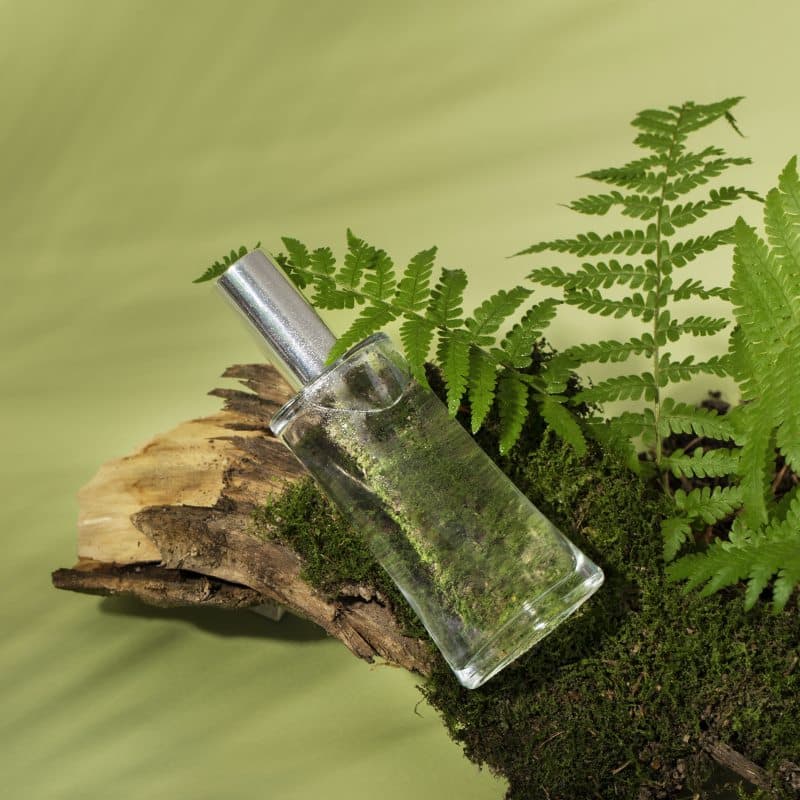
Toxic-free perfumes are different from regular perfumes because they are open about what they contain. Ordinary perfumes often have synthetic flavorings that are not listed on the label. This means you need to know exactly what is in your fragrance and why. There is no rule or certification that makes a perfume poison-free. Instead, it shows a philosophy of how things should be made:
- Few and easily identifiable ingredients
- Info on where the product comes from
- Concentrations that take into account the skin
- Avoiding controversial additives
For many makers, this approach naturally leads to working with natural perfume ingredients such as essential oils, botanical alcohol bases and mild fixatives.
Why conventional perfumes cause concern
Traditional perfumes are made to be the same every time, long-lasting and easy to produce in large quantities. To achieve this, they often use synthetic solvents, stabilizers and fragrance blends that are kept secret as trade secrets. While many of these ingredients are legal, they may not be suitable for sensitive skin or for long-term daily use.
People who make nontoxic perfume often do so after suffering from headaches, skin reactions or too much sensory stimulation from ordinary perfumes. Some people are motivated by environmental issues or a desire to simplify their personal care routine. It’s not about fear; it’s about control. If you know what the ingredients are, you can create fragrances that suit your body and values.
Natural perfume ingredients: the building blocks of clean fragrances
The ingredients make a perfume free of toxins, and natural perfume ingredients provide a clean and conscious fragrance. Most of these ingredients come from plants, resins and botanical carriers. Each ingredient adds not only fragrance, but also structure and performance to the final perfume. Natural ingredients, on the other hand, interact with the skin and environment in a way that makes fragrances more personal and vibrant. Synthetic fragrance ingredients do not do this. Therefore, non-toxic perfume often accumulates on the skin over time instead of giving off a strong, even scent.
Essential oils are the best-known component of natural perfumes, but a good formula contains more than just fragrance. The type of perfume base you use, such as a neutral alcohol or a skin-friendly carrier oil, affects how the scent spreads, absorbs and lingers throughout the day. Optional fixatives, often made from plants, help keep lighter fragrance notes in place and slow evaporation without using synthetic stabilizers. Some formulas add gentle antioxidants to keep the blend stable and protect its quality. If you choose these natural perfume ingredients carefully, you can create non-toxic perfume without sacrificing depth, balance or sensory richness.
Benefits of making your own toxin-free perfume
- Freedom to be creative and define the scent: You can create your own non-toxic perfume without being limited by the scent profiles or intensity levels available in stores. You can change everything about the scent, including how strong it is and whether it smells fresh, floral or woody. This flexibility makes making non-toxic perfumes especially appealing to people who find ordinary perfumes too strong or find that they don’t smell good on their skin.
- Can be adapted to skin type, season and lifestyle: By using natural perfume ingredients, you can adapt your perfume to your needs rather than adapting your skin to a formula. In warm weather, lighter compositions are often more pleasant, while deeper blends are better for colder months or at night. You can also adjust formulas if your skin becomes more sensitive, making natural perfume a better choice.
- Less exposure to unnecessary additives: One of the best things about non-toxic perfume making is that you know exactly what is and isn’t in your fragrance. You can still enjoy a refined fragrance experience while avoiding fillers and additives that are only used for industrial or marketing purposes. This focus on ingredients helps people be more conscious about their personal care.
- A conscious DIY way to take care of yourself: For many YouWish customers, making their own non-toxic perfume is part of a broader DIY lifestyle based on awareness and choice. The process encourages slower routines, careful ingredient selection and a stronger connection to daily rituals. Over time, making nontoxic perfume turns from a one-time project into a meaningful way to express yourself.
Essential oils at the heart of toxin-free perfume
Why essential oils are central to clean fragrances
Making perfume with essential oils is one of the most popular ways to make toxin-free perfume. Essential oils are concentrated plant extracts made by distillation or cold pressing. Climate, soil and extraction method all affect the scent of each oil. You can do the following with essential oils:
- Naturally determining how complex a fragrance is
- Stay away from synthetic aromatic chemicals.
- Use top, middle and base notes to create layered scents.
But you must treat essential oils with respect. They are strong chemicals, so it is important to dilute them safely when making perfume.
Choosing the right essential oils
Not all essential oils are suitable for making perfumes. Some are too unstable, while others are too strong. When making essential oil perfume , it is important to choose oils that are known to be good for the skin and smell nice. Some common choices are:
- Citrus essential oils (for fresh top notes)
- Rose essential oils (for soft and expressive heart notes)
- Sandalwood essential oils (for base notes that are grounding)
YouWish sells carefully selected essential oils that are super for making perfume. This allows you to work with natural perfume ingredients that you know will work well.
How to safely make non-toxic perfume
Making your own perfume is both a creative and technical process. Making non-toxic perfume is more than just mixing delicious scents. You have to know exactly how much of each ingredient to use, how to mix them and how they affect each other on the skin. Essential oils are very strong, so you have to be careful even with natural ingredients. A well-structured approach will ensure that your perfume smells nice, is pleasant to wear and suitable for everyday use, rather than being too strong or irritating.
What makes a great fragrance a reliable skin care product is safety. Proper dilution, usually between one and three percent essential oils for use on the skin, helps keep skin compatible while maintaining the depth of scent. You can see how your skin reacts to each new blend by doing a patch test before using it fully. Following the safety guidelines for essential oils will also ensure that you feel comfortable for a long time. If you follow these rules, non-toxic perfume becomes easy to use even for people who are not yet familiar with it, so creativity and care can go hand in hand.
Essential Oil Perfume Making: A Practical and Thoughtful Process
- Start by carefully choosing and combining oils: The first step in creating a successful essential oil perfume is to choose essential oils that go well together rather than work against each other. Blends usually consist of deeper base notes that transition into lighter top notes. This gives the fragrance structure and depth. This gradual layering helps keep everything in balance and prevents the fragrance from feeling sharp or flat. At this point, you have to be patient because rushing the blending process can lead to rough compositions.
- Change the mixture by adding the right amount of water: when you dilute the mixture of essential oils, it becomes a perfume you can wear. The base you choose, on alcohol for a lighter diffusion or on oil for a softer, longer-lasting effect, affects how the fragrance smells on your skin. Proper dilution not only makes it safer but also brighter, allowing each note to come into its own without overpowering the blend. This step is very important for making a non-toxic perfume that smells great.
- Give it time to grow and fit: The resting phase after dilution gives the natural fragrance ingredients time to blend and settle. During this time, sharper edges soften and the fragrance becomes more cohesive, making the profile smoother and more harmonious. This natural change is a key feature of essential oil perfume making and one of the reasons why natural perfumes feel alive rather than dead. By allowing the perfume to fully mature, a simple blend becomes a finished fragrance.
FAQ: Toxic-free perfumes
V1. What is the difference between non-toxic perfume and clean perfume?
Both terms emphasize safer compositions, but nontoxic perfume is clearer about ingredient disclosure and avoidance of known irritants.
V2. Is it safe to use essential oil perfume making every day?
Yes, essential oil perfume making can be safely used every day if the essential oils are properly diluted and tested on the skin.
V3. How long does a perfume made from natural ingredients last?
How long it lasts depends on the base and ingredients. Perfumes made with oil tend to last longer, while perfumes made with alcohol feel lighter.
V4. Can people just starting out try non-toxic perfume making?
Sure. Using simple blends and familiar natural perfume ingredients makes the process easier to understand.
V5. Is the smell of natural perfume less strong than that of synthetic perfume?
Not always. Natural perfumes usually change more slowly, giving them more depth rather than a strong scent.
Conclusion
Choosing non-toxic perfume is not about perfection; it’s about what you want. You can create fragrances that feel personal, safe and expressive by knowing your ingredients, following the rules of composition and being open to the creative process.
If you are new to making essential oil perfumes or want to improve your skills, working with natural perfume ingredients can help you deal with scent in a more conscious way. With the right tools and help from YouWish, making non-toxic perfume is not only possible, but also very rewarding.


