
You’ve just spent hours pouring the perfect candle. The scent is lovely, the top is smooth, and you’re ready to enjoy it. But after burning it for a few hours, you hear a terrifying *crack*. The glass has fractured or, worse, shattered completely. It is every maker’s nightmare.
Burning candles in glass containers is incredibly popular, but is it actually safe? The short answer is yes—provided you know what you’re doing. Glass is a fantastic material for containers, but it has physical limits. If you ignore those limits, you can unintentionally create a miniature fire hazard right on your coffee table.
Below, we dive into the science of thermal shock, how to choose the right glass, and how to stay safe from the first pour to the last flame.
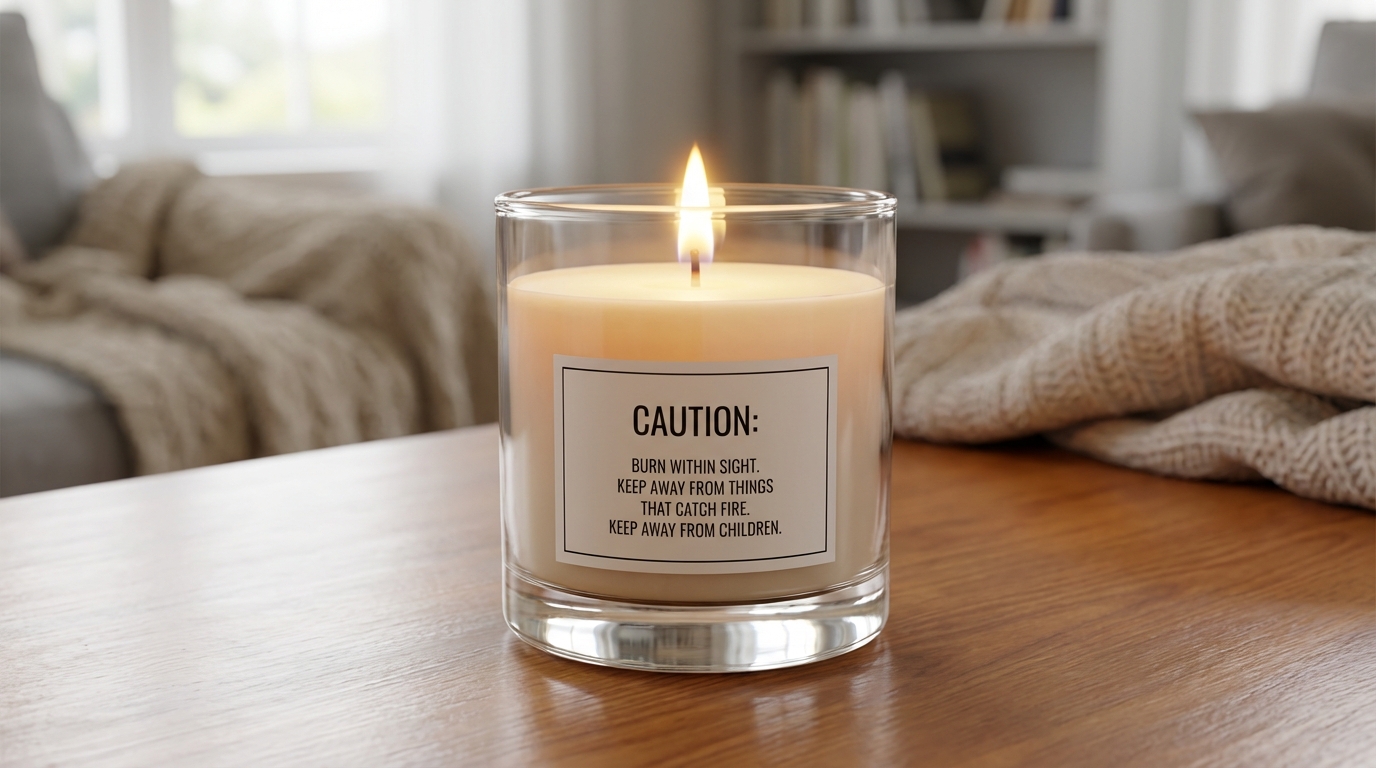
Why Glass Breaks with Candles
Glass is highly sensitive to temperature fluctuations. When the inside of a jar gets scorching hot from the flame, the glass expands. However, the outside surface is in contact with cooler room air and expands much slower. This difference creates stress known as “thermal shock.” If the glass isn’t strong or flexible enough to absorb this stress, it cracks.
This is why not every glass jar is suitable as a candle holder. Drinking glasses or cheap vases from the dollar store are often made of soda-lime glass that hasn’t been properly “annealed.” This means there is already tension trapped in the glass from the manufacturing process. Containers specifically designed for candles are tested to handle this heat. Borosilicate glass or tempered glass can withstand temperatures up to 250-300 °C, giving you a much larger safety margin than standard glass.
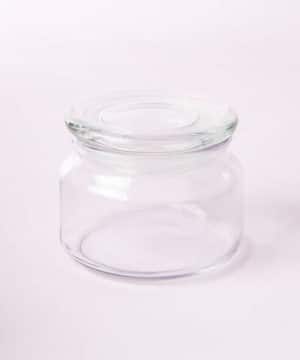
At YouWish, you will find glass containers specifically intended for candle making. This way, you don’t have to gamble on whether your jar can handle the heat.
-
€1.53 – €1,115.70 excl. BTW Select options This product has multiple variants. The options may be chosen on the product page
-
€7.40 – €63.60 excl. BTW Select options This product has multiple variants. The options may be chosen on the product page
The Wick: The Engine of Your Candle
Safety often starts with the wick rather than the glass. The wick acts as the engine of your candle and determines how hot the container gets. A common mistake beginners make is choosing a wick that is too thick because they want a full melt pool immediately. However, an oversized wick creates a flame that is too tall and generates excessive heat.
If the flame gets too big or starts to “dance,” it can touch the side of the glass. Direct flame contact significantly increases the risk of breakage. Additionally, poor combustion causes soot, which is a sign of an incomplete and unhealthy burn. Testing your wick is crucial. As we explain in our guide on 5 things every beginner candle maker needs to know, the combination of wax, fragrance oil, and wick is a delicate balance.
-
€2.44 – €144.59 excl. BTW Select options This product has multiple variants. The options may be chosen on the product page
-
€4.09 – €305.74 excl. BTW Select options This product has multiple variants. The options may be chosen on the product page
-
€1.61 – €74.34 excl. BTW Select options This product has multiple variants. The options may be chosen on the product page
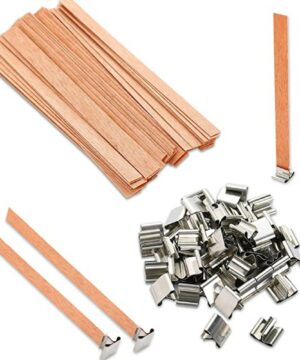
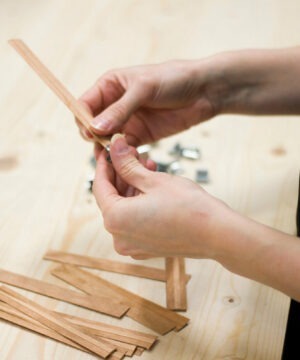
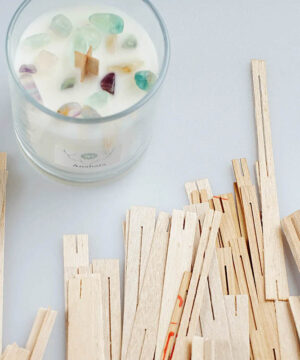
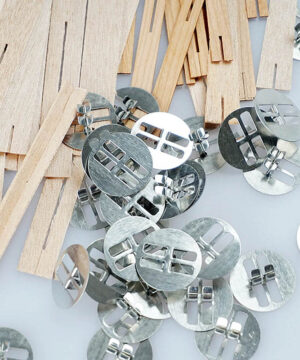
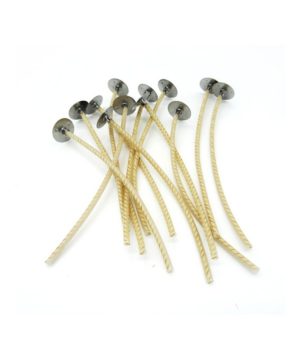
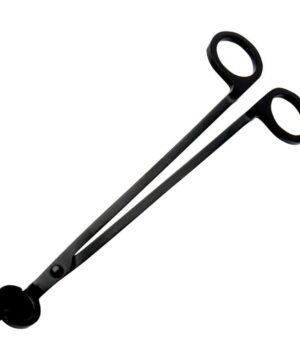
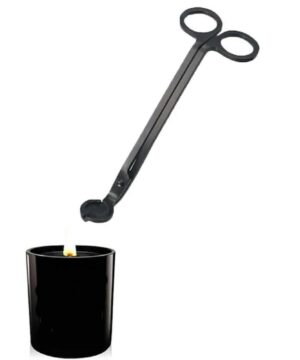
You must also ensure you always trim the wick to about 5 or 6 millimeters (approx. 1/4 inch) before lighting it. A wick that is too long will “mushroom” (form a carbon clump at the tip), resulting in an unstable, overly hot flame. A proper candle wick trimmer is indispensable for this.
Inspect Before You Pour
Even high-quality glass can have weak spots. During transport or storage, microscopic hairline cracks can develop that are barely visible to the naked eye. Normal use and shipping can create invisible structural weaknesses.
Before you start candle making, hold every glass up to the light. Do you see a scratch, an air bubble, or an irregularity? If so, do not use that glass for a candle. The heat from the molten wax and the flame will exploit that exact weak spot to cause a crack.
Also, make sure your glass is clean and dry. Moisture or dirt can affect how the wax adheres to the wall, leading to “wet spots.” While this is mostly an aesthetic issue, you want your candle to burn as stably as possible.
Using Special Waxes Safely
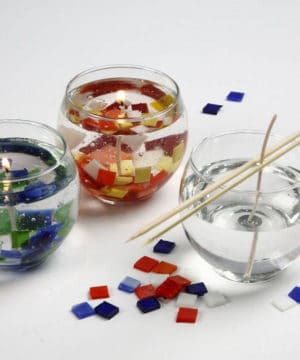
If you are working with specialty waxes like gel wax, you need to be extra careful. Gel wax burns hotter and melts at a higher temperature than soy wax. Because gel wax is often transparent and used for decorative embeds, the temptation to use all kinds of unique glassware is strong. Don’t do it.
Gel wax has a melting point of 70-85 °C and can create dangerous situations if used incorrectly (such as using the wrong fragrance oil or overheating). For gel candles, always use glassware that is rated for high heat and pay close attention to the flash point of your additives.
-
€5.92 – €181.79 excl. BTW Select options This product has multiple variants. The options may be chosen on the product page

Can You Refill a Candle Jar?
This is a point where hobbyists and manufacturers often disagree. As a DIYer, it feels wasteful to throw away a beautiful, heavy glass jar. It’s tempting to clean it out and pour in new candle wax.
However, large candle manufacturers and safety agencies explicitly advise against refilling glass containers with wax. The reason is “material fatigue.” The glass has already been heated and cooled many times during the candle’s first life. This process can weaken the structure of the glass without leaving visible signs. A second round of heat could be the final straw that causes it to shatter.
Do you still want to be sustainable? Repurpose old candle jars as plant pots, pen holders, or storage jars for your candle wick supplies. When it comes to fire, safety must come before recycling.
Burn Instructions for the User
You can make the safest candle in the world, but if the user doesn’t burn it correctly, things can still go wrong. As a maker, it is your responsibility to educate your customers or friends.
Here are the most important rules to include on your safety label or instruction card:
- The 1/2 Inch Rule: Stop burning the candle when there is about 1 to 1.5 cm of wax left at the bottom. If the flame reaches the bottom of the glass, the heat transfers directly to the glass without a buffer of wax. This is the moment when most jars shatter.
- Maximum Burn Time: Never leave a jar candle burning for more than 3 to 4 hours at a time. The glass simply gets too hot.
- Placement: Do not place candles in a draft. Drafts cause the flame to flicker toward the edge of the glass, creating extreme localized heat.
Want to know how to create a professional label that meets all regulations? Check out our guide on making a CLP label.
Watch What You Breathe
Beyond broken glass, there is another safety aspect to consider: air quality. When you make scented candles, you are working with chemicals. Some fragrance oils can release irritants during combustion if not dosed correctly.
Always stick to the recommended percentages, usually 6 to 10 percent for candles. Using too much fragrance oil prevents it from binding well with the wax, resulting in “sweating” candles. That excess oil can catch fire, causing an unexpectedly large flare-up inside your glass. For professional sales in Europe, you may also need to work with UFI codes if you use certain fragrances. Read more here about when a UFI code and PCN notification are required.
Making container candles is a beautiful craft. By investing in the right glassware, testing your wicks properly, and respecting the limits of the material, you prevent accidents. Ready to start your next safe project? Read our step-by-step guide on how to make a container candle to get started the right way.


