
Making your own fragrance oil from essential oils is really one of the most fun things you can do when making natural perfumes. This is especially true for people who like to make their own fragrances that fit their personality. Many tutorials give you quick recipes, but if you learn why certain ingredients go well together, you can create blends that smell nicer and last longer. In this blog, we’ll discuss what essential oils and fragrance oils are, how natural essential oils work, the differences between blends of essential oils and synthetic fragrances, how to combine essential oils to make perfume, and how to create reliable formulas step by step. By the end of this blog, you will be confident enough to buy essential oil and try out blends that suit your style.
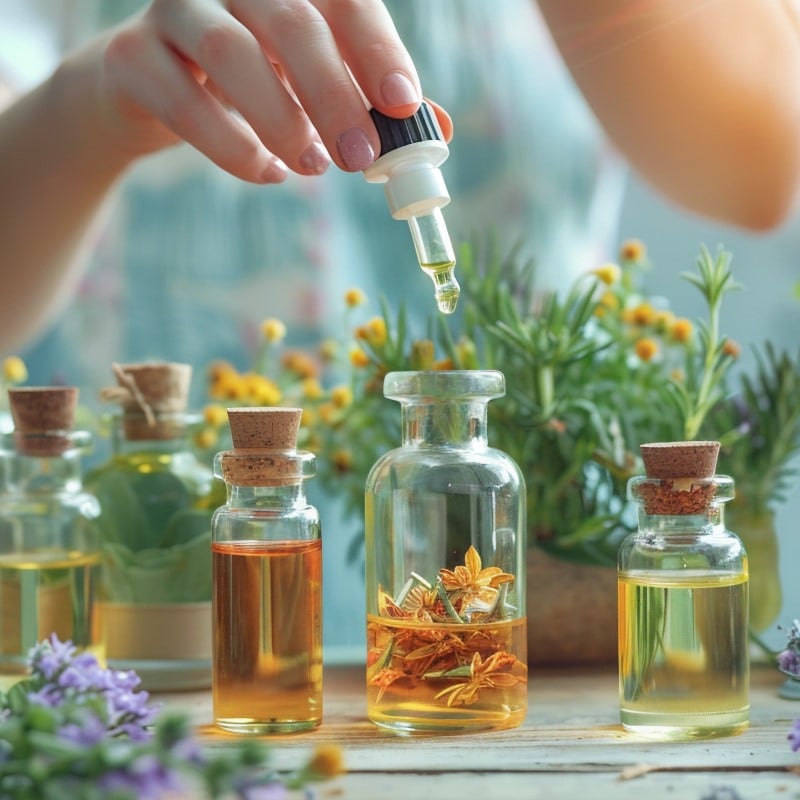
Natural essential oils come from real plants and have dozens of active aroma molecules, unlike commercial perfumes that use synthetic aroma components. These molecules determine how long something lingers, how strong it is and how quickly it evaporates. Therefore, you need to know a little more than just what scent you like to make fragrance oils.
What are essential oils?
Essential oils are very strong aromatic extracts derived from plants. They are usually made by steam distillation, expression or solvent extraction. Each essential oil contains many different plant chemicals, such as alcohols, aldehydes, phenols, esters and terpenes. These chemicals affect the scent, strength, evaporation rate and how well the oil works on the skin.
Natural essential oils contain hundreds of tiny compounds, making their scent not one note, but many. This is what makes essential oils so fun to work with when creating perfumes. When makers buy essential oils from trusted suppliers like YouWish, they get oils that retain this complexity and purity and are safe for use in cosmetics.
What is fragrance oil?
Fragrance oil is not the same as natural essential oils because it is synthetic or partially synthetic. The purpose of fragrance oils is to always smell like a particular scent, such as vanilla, cotton, sea breeze or jasmine, regardless of changes in nature. Fragrance oils have a long-lasting scent, one that can be repeated, and low evaporative volatility. This is one of the main reasons why many beginners look for where to buy fragrance oils before trying more complicated essential oil blends.
Many candle and soap makers like to use fragrance oils because they do not change at high temperatures. Essential oils for making perfume, on the other hand, work more naturally and must be blended intentionally. When making perfume, people who want a natural product often choose natural essential oil blends of essential oils first.
Differences between essential oils and fragrance oils
Essential oils are plant extracts that are very strong. They consist of aroma molecules such as terpenes, esters and alcohols. This composition varies by plant, by climate and even by harvest. Essential oils have much more depth than ordinary fragrance oils because of this natural variation.
The main differences are:
- Source: Natural essential oils come from plants; most fragrance oils are made in the lab.
- Variability: Essential oils change from harvest to harvest, fragrance oils remain the same.
- Complexity: Essential oils contain natural chemical diversity, fragrance oils mimic specific scents.
- Evaporation: Essential oils evaporate faster or slower depending on molecular weight. Fragrance oils are designed for stability.
These differences are super important when creating personalized perfume oils. Essential oil blends offer you an artistic foundation if you’re looking for authenticity, complexity and botanical depth. For a full comparison, see YouWish’s guide: Fragrance oils versus essential oils: what’s the difference when making soap and candles.
Why natural essential oils behave differently
Plants make natural essential oils for biological reasons, such as attracting pollinators, keeping insects away or communicating with the environment. This biological origin influences the aroma molecules, which means that each natural essential oil has a unique chemical fingerprint that comes from the plant itself, not from a fragrance made in a laboratory. When making essential oil for perfume, you are working with living chemistry rather than synthetic replication. This natural complexity becomes part of the personality of the perfume rather than being just a single note fragrance.
Natural essential oils can smell different because of things like climate, soil, the way they are extracted and the time of year. Perfume houses around the world love this very slight difference because it adds depth, character and authenticity to a blend. When you buy essential oils from YouWish, they retain their botanical identity because they are carefully sourced and you get clear information. This allows DIYers to enjoy the full range of genuine botanical scents.
Understanding essential oil nuts
The structure of perfume has three parts: top notes, middle notes and base notes. Essential oils from plants can do these things based on how volatile they are and how heavy their molecules are.
Top notes
Citrus and fresh aromatic oils that evaporate first:
- Bergamot essential oil
- Grapefruit essential oil
- Lemon essential oil
- Lime essential oil
- Peppermint Essential Oil
Top notes provide brightness and fresh energy. In most of essential oil blends , an uplifting top note is chosen first.
Heart Notes
Warm, floral or spicy notes that give structure:
Heart notes provide body and transition. Many perfume essential oils depend on vibrant floral heart notes for their character.
Base notes
Deep, grounding fragrance anchors:
Base notes extend the final drying time. Natural essential oils in the base category often work beautifully with the chemistry of human skin.
You can also read our blog post “Understanding Essential Oil Notes: a handy guide to homemade aromatherapy and cosmetics” for more info on how different oils work in each nut category. This goes into more detail about top, middle and base notes and gives examples of how to use them in cosmetics.
Choosing essential oils for making perfume
Making essential oils for perfume is more than just picking out scents you like. Many aromatic compounds in each essential oil affect how it evaporates, how long it lingers on the skin and how it interacts with other notes in a blend. Therefore, both professional perfumers and people who make their own perfumes at home pay attention not only to the scent of natural essential oils. They also pay attention to things like volatility, intensity and safety for the skin. Some essential oils work great in perfumes, but others can be too strong or unstable when exposed to light, heat or direct application. Knowing these small differences early on can help you avoid irritation and keep the fragrance structure balanced from the start.
Not all essential oils make for perfume. Some are too strong, too unstable or too volatile on the skin. When buying essential oils for cosmetics, make sure they have the correct INCI listing and directions for use. These details ensure that your essential oil blends are safe to wear for long periods of time and that you follow safe dilution practices, not just smell good at first.
Popular choices among creators include:
- Bergamot essential oil
- Sweet orange essential oil
- Neroli essential oil
- Clary sage essential oil
- Ylang-ylang essential oil
- Patchouli essential oil
Natural essential oils need a carrier to spread properly. This keeps you safe and ensures that the product works well for a long time. It also ensures that each aromatic compound unfolds slowly instead of evaporating quickly on the skin.
How dilution works (and why it makes a difference)
Dilution turns concentrated essential oils into oils that can be worn as perfumes. Undiluted oils are too strong and can cause an unpleasant sensation on the skin. Depending on the strength, skin sensitivity and the intended result of the formula, between 10 and 30% essential oils are usually added.
Example:
- 70-90% carrier oil
- 10-30% essential oils
However, this is only a guideline to start with. The ideal percentage depends on:
- The sensitivity of the skin
- The concentration of each essential oil
- The purpose (daily perfume or occasional wear)
- The age of the oil
Higher concentrations make the scent stronger, but they also make the skin more sensitive, so it is important to try them slowly. Essential oils for perfume making interact via ester bonds, and high concentrations can disrupt that aromatic synergy.
Even natural essential oils can contain allergens such as linalool or limonene, so it’s best to dilute them to keep cosmetics safe. When you buy essential oils from YouWish that are intended for use on the skin, the product pages clearly state the maximum amount for cosmetic use when mixing.
Creating your first perfume formula
Step 1: Choose your fragrance notes
Choose essential oils that represent the top, middle and base.
- 1 top note that makes you feel good
- 1 structured middle note
- 1 base note for stability
By choosing based on how fast something evaporates rather than on personal preference, you make sure everyone is going at the same pace. Each natural essential oil has its own aromatic phase, so applying different scent notes creates movement and fragrance.
Step 2: Determine the proportions
Used a standard formula:
- 25% top
- 50% middle
- 25% base
This ratio keeps the middle strong, while the beginning is brighter and the end deeper.
Step 3: Mix with the carrier
Start small:
- 10 drops of essential oils
- 90 drops of carrier
This ratio allows you to test how complicated something is without wasting precious natural essential oils. You can still try many different things with small blends in the beginning, which makes you buy essential oils.
Step 4: Let ripen for 48-72 hours
Over time, natural essential oils blend together, changing their strength and diffusion. Some blends take an entire weekend to show what they have in them. Being patient is part of the process.
Once you mature, look at your notebook and your first impressions. Most makers find that floral or resinous essential oil blends change in ways they didn’t expect.
Frequently asked questions about making your own fragrance oil from essential oils
V1. How many different essential oils should I mix?
Start with three. Essential oil blends become clearer when each note has a purpose and a role.
V2. Are natural essential oils better than synthetic oils for perfume?
They are real and complex. Geurolias, on the other hand, give you consistency and projection.
V3. Can I apply essential oils to my skin without mixing them?
No. Always mix essential oils with a carrier to make perfume.
V4. Where is the best place to buy essential oil?
From cosmetics suppliers that provide safety information. YouWish gives you the INCI and cosmetic use percentages for each natural essential oil.
Conclusion
Making your own fragrance oil from essential oils is an art that combines chemistry, layering and your own style. Essential oils derived from plants are real, complex and plant-rich. The essential oil blends give structure and depth to the fragrance as it wears. When choosing essential oils for perfume making , take the time to think about how they will behave as they evaporate, how strong they will be and how they will blend with other oils.
If you buy essential oils from YouWish, for example, you can be sure they are pure and safe for your skin. This gives you the confidence to try new things. If you think about it carefully, your perfume experiments can become very personal and naturally beautiful. This is why so many makers choose essential oils over synthetic shortcuts.


