
Essential oils are super important these days in natural self-care, home perfumes and homemade beauty products. But many beginners find it difficult to figure out how to use these oils properly. Essential oil fragrance notes are probably why your blend smells great at first but fades too quickly, or why some oils stand out more than others. In this blog, we discuss what essential oil fragrance notes are, how they work in aromatherapy and perfume, and how to create balanced essential oil blends with top, middle and base notes. We also discuss the benefits of organic essential oils and how to choose the right oils for your project.
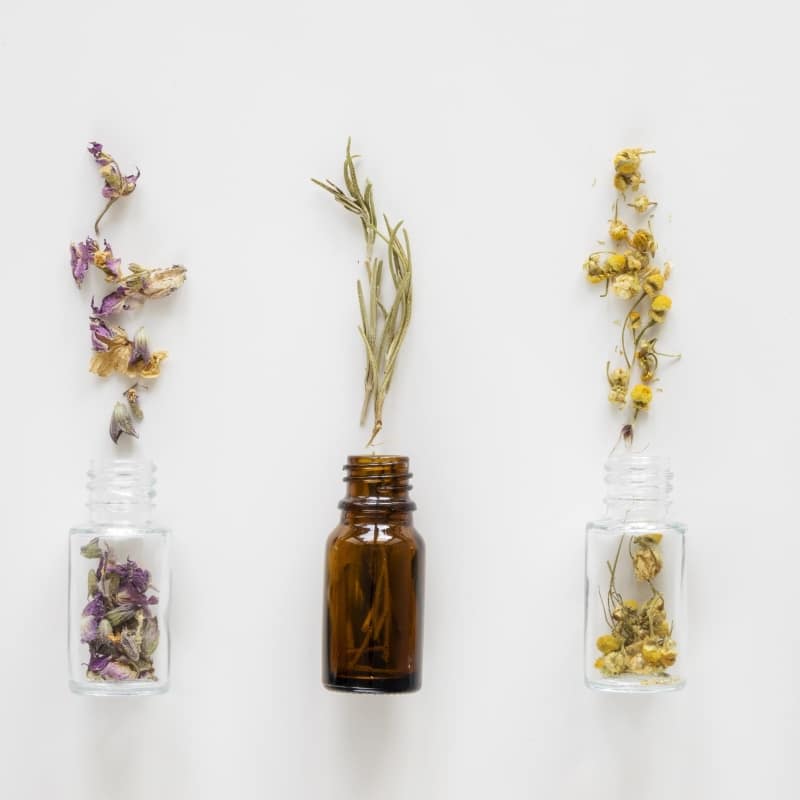
With more and more people looking for natural personal care products, more and more companies are choosing real, high-quality essential oils over synthetic fragrances. As more people become interested in these products, many are choosing organic essential oils and ethically sourced ingredients because they find them safer and more transparent. Essential oils are more than just a nice smell; they are chemically complex substances, each with its own character and function in a formula.
What are essential oil notes?
To get an idea of essential oil notes, you can think of each essential oil as another instrument in an orchestra. When mixed correctly, the oils reinforce each other, giving each other depth, balance and longevity. Essential oil notes indicate how quickly a scent emerges, changes and fades. In other words, they help you predict how an aroma will behave.
The molecular weight of an essential oil determines how quickly it evaporates. Oils that evaporate quickly release their fragrance immediately, while oils that evaporate slowly do so gradually. This layered behavior forms the basis of essential oil blends in aromatherapy and perfume.
There are three types of essential oil nuts:
- Top notes are the first impression
- Middle notes form the heart
- Base notes conclude the experience
If you don’t know these groups, mixing essential oils becomes a guessing game and the scent you end up with may not be strong enough, too strong or not long enough. This is why it is so important to know what essential oil notes are when making your own candles, soaps, perfumes and diffuser blends.
Why essential oils behave differently
Essential oils contain many chemical compounds, such as esters, alcohols and terpenes, which affect how quickly they evaporate, how strong they are and how long they last. This is why peppermint feels sharp, lavender soft and sandalwood deep and grounding. Blends of essential oils made by people who know how chemistry and fragrance work together are much better than blends made by people who just go by feel.
Organic essential oils evaporate the same way, but have additional benefits because they are purer, contain fewer agricultural chemicals and are traceable. Many people who make their own skin care products prefer organic essential oils because they can see exactly what is in them when they apply them to their skin.
Three categories of essential oil notes
Before learning about specific examples, it’s helpful to know why essential oil notes are divided into three groups in the first place. When exposed to air, heat or skin, each category behaves differently. This means that each essential oil plays a different role in a blend. Top notes provide the first impression, middle notes form the core identity and base notes ensure that the fragrance is long-lasting and has depth. When these layers are intentionally blended, blends of essential oils become more balanced, structured and emotionally expressive rather than just “nice smelling.
Top notes of essential oils
The top notes are bright, fresh, light and cheerful. They disappear quickly, usually within 5 to 20 minutes, so they make a great first impression. Blends of essential oils feel heavy and dull without top notes.
Common top notes of essential oils are:
- Lemon essential oil
- Sweet orange essential oil
- Grapefruit essential oil
- Bergamot essential oil
- Peppermint Essential Oil
- Eucalyptus essential oil
Diffusers, room sprays, natural cleaning products and uplifting aromatherapy blends all make great use of top notes of essential oils. Make sure your formula has enough top notes to keep it from becoming too heavy when you need energy, brightness or a refreshing effect.
When blending, the top notes of a fragrance determine the “first impression. They fade quickly, but have a profound effect on how a blend is perceived mentally, especially in aromatherapy, where citrus oils are known to make people more alert and happy. Although top notes fade quickly, their brightness raises emotional expectations for what will happen next. When using organic essential oils, citrus top notes usually have slightly softer and more complex edges because of differences in how they are grown and processed.
On the other hand, peppermint and eucalyptus oils often have a sharper brightness. By adding just a small amount of additional top notes, such as bergamot, you can instantly brighten up a flat blend for people who like to make their own blends. It also gives the fragrance a cleaner elevator from the start.
Essential oils with middle notes
Middle notes allow top and base notes to work together and hold the blend together. They are also called “heart notes” and emerge after the top note has faded. They can last from 30 minutes to several hours.
Popular essential oils with middle notes include:
Essential oils with middle notes provide balance, floral softness and body. They are important in theric oil blends designed to help you relax, as they contribute to emotional health and reduce tension.
Middle notes are like a “transition layer” that eases the transition from sharp citrus to warm, woody base notes. Essential oils with middle notes are especially useful because they can change both the direction and length of a blend. Lavender, for example, softens the sharpness of peppermint and rose geranium adds depth that keeps citrus notes from feeling empty.
Organic essential oils in the middle nut family often have a greater aromatic dimension. Geranium produced from organically grown flowers typically contains a more delicate floral nuance compared to conventionally grown alternatives. This slight difference is why people who create therapeutic oil blends for personal use that are gentle and emotionally supportive love essential oils with middle notes.
Essential oils with base note
Base notes take a long time to develop and add warmth and depth. They linger the longest and hold the whole thing together. Without base notes, your blend will dissipate too quickly and fall into oblivion.
Examples include:
- Sandalwood Essential Oil
- Patchouli essential oil
- Vetiver essential oil
- Frankincense essential oil
- Cedarwood essential oil
- Myrrh essential oil
Many of the organic essential oils in this group are also loved for their ability to calm and ground emotions. Sandalwood has a rich, creamy tone that lingers for a long time.
Many beginners do not immediately notice how base notes affect texture and anchoring ability. Not only do they slow evaporation, but they also “round” rough edges and make the whole formula sound better. Vetiver, for example, gives blends an earthy base and patchouli makes blends that are too bright more stable.
Frankincense and myrrh add a depth that builds over time rather than being present all at once.
With organic essential oils, the resinous base notes often show more subtle changes in warmth, smokiness or sweetness, depending on the climate and soil conditions of the plant they come from. People who experiment with base notes eventually get better at determining how long they linger and how complex they smell. This is especially useful when creating essential oil blends that are meant to linger all day or for several hours.
How to properly make blends of essential oils
Blends of essential oils follow a simple ratio rule:
30% top note + 50% middle note + 20% base note
This ensures that the fragrance builds slowly and evenly rather than all at once. This ratio is a good starting point when trying organic essential oils, no matter what you plan to use them for: perfume, diffuser, massage, candle or soap.
Many beginners use too many strong oils, such as peppermint, eucalyptus and cinnamon. If they are not balanced, they dominate everything. Therefore, it is even more important to pay attention to essential oil notes when making your own perfumes. The right composition of notes is much more important to make a fragrance last long than just a strong scent.
Using essential oil notes in various DIY projects
For diffusers
Essential oil notes indicate how long a fragrance lingers in a diffuser. A blend consisting only of citrus smells strong at first, but fades quickly. Adding sandalwood or vetiver makes the scent last longer, especially in large rooms. In heat-operated diffusers, the top, middle and base notes evaporate differently than in ultrasonic diffusers. In ultrasonic diffusers, essential oils tend to evaporate more slowly, so the base notes become more prominent over time. On the other hand, warmer diffusers speed up the evaporation of the top notes, bringing out the beginnings more. Add some more base notes, such as vetiver or cedarwood, to open spaces, as airflow causes scents to fade more quickly. For smaller spaces, use less concentrated essential oils that are gentle and not overpowering.
For natural perfumes
In natural perfumery, the top, middle and base notes are the most important. People often choose organic essential oils because they have cleaner scents and contain less synthetic residues.
Perfumes with essential oils do not stay the same over time, as synthetic fragrances do. Instead, they change over time. This layering makes natural perfume feel more personal and intimate.
Organic essential oils are particularly good because their scent changes throughout the day rather than staying the same. Makers can try different combinations, such as adding earthy resins or slightly sweet flowers, to create natural scents that are unique to each person rather than scents that are the same for everyone.
For soap and cosmetics
Due to high temperatures and saponification, some essential oils work differently in soap. Base note essential oils usually work best, while top notes that are more delicate require anchoring oils such as patchouli or clove.
Essential oils with delicate citrus molecules are more fragile during soap curing and may lose their brightness unless anchored with resinous or woody base oils. Organic essential oils give cosmetic products a more botanical character, especially in creams and balms where the oils evaporate close to the skin. If a blend is too strong, add softer middle notes, such as chamomile or geranium. Add a little more patchouli or sandalwood if the blend fades too quickly. Both oils help organic essential oils last longer.
Choosing organic essential oils
Plants that do not use synthetic pesticides or fertilizers yield organic essential oils. They must also follow stricter rules for farming and distillation. Many companies believe organic essential oils are safer for sensitive skin and aromatherapy because they expose people to fewer chemicals.
Benefits include:
- cleaner ingredient profile
- more transparent supply chain
- less residues of agricultural chemicals
- higher perceived quality in finished products
Frequently asked questions about essential oil nuts
V1. What are essential oil notes?
They describe how quickly an essential oil evaporates: top, middle or base.
If you understand these notes, you can compose blends with a purpose instead of relying purely on trial and error.
V2. Why do some oils smell stronger?
The chemical composition, molecular weight and evaporation rate determine the intensity.
Heavier oils linger longer, while lighter oils create a quicker and brighter aromatic opening.
V3. Do organic essential oils smell different?
Organic essential oils often smell cleaner and more natural, but the intensity varies.
They may also have a more complex botanical character because the plant has not been exposed to synthetic treatments.
V4. How many oils should I use in one mixture?
Start with three: a top, middle and base note. Then slowly adjust the mixture.
As you experiment gradually, you begin to recognize how each essential oil changes the overall balance.
V5. Are essential oils safe for the skin?
Always dilute them properly and check the safety information before applying them to the skin.
Some essential oils also require different maximum percentages depending on the intended cosmetic application.
Conclusion
When you know the scent notes of essential oils, blending no longer becomes guesswork, but a reliable creative activity. When creators learn how top, middle and base notes of essential oils work together, they can determine how long they linger, how bright they are and how they make people feel. Organic essential oils give you even more confidence in the purity of the ingredients, and well-made essential oil blends bring out the full scent potential of natural plant extracts.
YouWish has carefully selected high-quality essential oils that are perfect for DIY projects such as soap making and natural perfumes. These oils provide makers with a solid foundation to safely try new things. This information will help you make more meaningful and successful aromatherapy creations, whether you’re learning how to put together essential oil blends , buy organic essential oils, or discover the beauty of essential oils.


