
Making your own skin care products and soaps at home is more popular than ever, and castor oil is the ingredient that always stands out for its versatility, effectiveness and skin-friendly properties. Castor oil has unique benefits that are hard to replace. For example, it makes cold-pressed soap lather better, whipped body butter smoother and lip balms and creams more moisturizing. It is gentle on sensitive skin, but powerful enough to change the way a formula works, making it one of the key soap ingredients for people making natural beauty products.
In this blog, we discuss the benefits of castor oil, how to use it to make natural cosmetics, tips for making soap and skin care products, and why every do-it-yourselfer should have it in his or her kit.
Why castor oil is different from other cosmetic oils
Many vegetable oils are good for you, but castor oil is different because it is high in ricinoleic acid, a rare fatty acid that helps with hydration, softening and texture. This chemical profile gives castor oil benefits beyond just moisturizing the skin’s surface. It helps keep skin soft and comfortable for longer without leaving a greasy film.
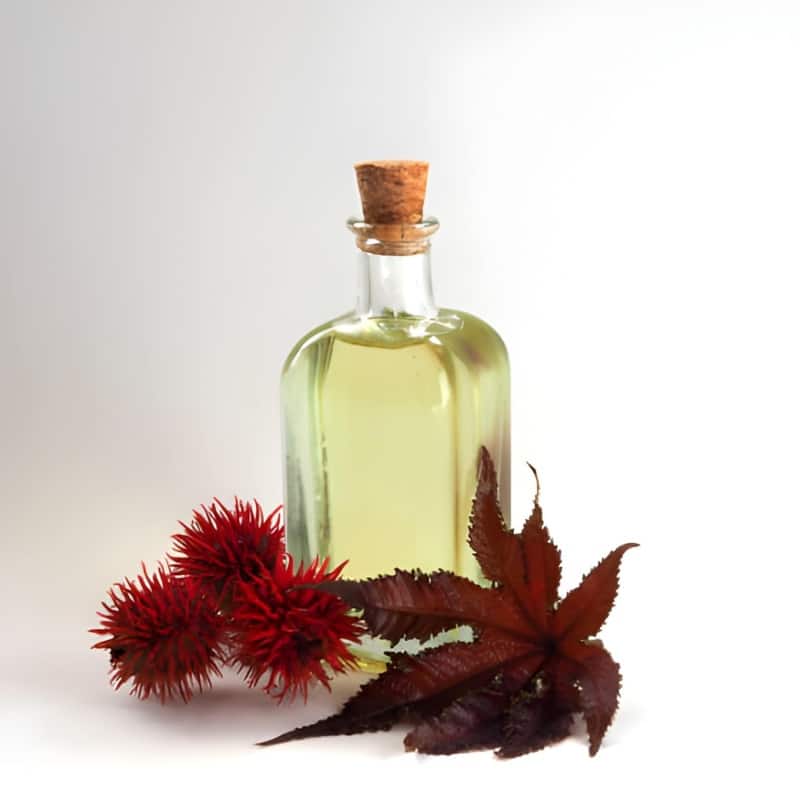
Castor oil is super for dry, stressed or dehydrated skin because it attracts and retains moisture. Its moisturizing texture gives creams, balms and body butters a richer, more protective finish, especially in winter or dry climates. For people who make natural cosmetics, this ingredient is a natural way to make skin feel better and act as a barrier without using synthetic emollients.
The fact that castor oil can do two things at once in soap making is what makes it so special. It conditions the skin and provides much better lather. Even at a low percentage in cold-pressed soap, castor oil creates soft, stable bubbles that enhance the washing experience. That’s why most people find it one of the best ingredients for shaving soap and clear glycerin soap.
Why soapmakers love castor oil
Soap makers are always looking for ingredients that keep the formula natural and improve the washing experience in general. Castor oil does both. It creates a better lather, makes the soap last longer and makes skin noticeably softer after rinsing. This makes it one of the most technically useful ingredients for soap, even when used in small quantities. Whether a maker likes to try new things with a cold process or sticks to the basics with melt and pour, castor oil always adds a touch of luxury that customers notice and appreciate.
Dense and luxurious foam
One of the best properties of castor oil for soap making is that it makes the lather thicker and creamier. Even when added in an amount of 3-8% of the total oils, it makes the bubbles much stronger and more durable. This means that the bubbles do not burst immediately and feel smooth and rich in the hands. Castor oil is high in ricinoleic acid, a unique fatty acid that makes the lather airy without drying out the skin. This is especially important for soap making because people expect it to be better than mass-produced soap. Castor oil is the ingredient of choice for soapmakers looking for a reliable and repeatable way to improve lather without using synthetic boosters.
Improved hardness and longevity of soap
Castor oil not only creates lather but also makes the finished soap stronger. When you shower with soap that contains castor oil, it lasts longer because the oil keeps the soap firm and slows down how quickly it softens or dissolves on a wet surface. This is ideal for small and artisan soap makers who want their soap to feel luxurious and last a long time. Many makers find that adding castor oil helps balance softer oils like olive oil or sunflower oil and still make a strong, long-lasting soap without using a lot of palm oil or waxes. It also blends well in salt soap, shaving soap and conditioning soap, all long-lasting soaps.
Softer skin after washing
Usually the skin loses moisture during cleansing, but castor oil helps prevent this. It has moisturizing properties that help keep skin hydrated even during cleansing, leaving hands and body feeling nourished rather than tight or dry. You really feel this comfort after washing with winter soaps and soaps for sensitive skin, where moisture retention is very important. Castor oil makes butters like shea or cocoa work better and mixes well with high-oleic oils to create a profile that is good for your skin. Many soap makers find castor oil an indispensable ingredient for making soap blocks intended for daily use, by children, on dry skin or in colder climates.
Main cosmetic benefits of castor oil for skin and hair
Soap makers love castor oil because it makes soap lather and last longer, but it’s also great for skin and hair. This ingredient makes things noticeably more comfortable, moisturized and stronger, which is why it is popular in both soaps and everyday beauty products. The following benefits of castor oil show why it should always be in your natural cosmetics, whether you’re making balms, creams, scalp oils or lip products.
Deep hydration for dry and sensitive skin
If your skincare formulas target dryness, irritation or support barrier function, the benefits of castor oil come into their own. Its slow-absorbing structure retains moisture in the skin without clogging pores. It works best in body butter for nighttime, healing ointments, lip balms and hand creams. When making natural cosmetics, even a small amount of castor oil can significantly improve the texture and comfort of the product.
Strengthening and nourishing for the hair
Castor oil helps make hair shiny and smooth. People often use it in hair masks, scalp treatments, leave-in conditioners and serums for eyebrows and eyelashes. When mixed with lighter oils such as argan oil or sweet almond oil, it makes hair stronger without feeling heavy. That’s why many people who make their own hair care products love it.
Castor oil not only smooths the hair, but also helps the scalp, which is the key to healthy-looking hair. Its thick texture helps retain moisture in the scalp, making dry or flaky patches feel better and creating a better environment for hair growth. Many companies also use it to prevent breakage of curly, frizzy or highly textured hair, which needs extra nourishment to maintain its shape and resilience. Castor oil’s benefits become even more apparent over time when added to weekly hair masks or gentle scalp massages.
Soothing for irritated or stressed skin
Castor oil is not a medical ingredient, but it is known for its gentle and soothing properties. Many companies add it to ointments for children and adults, aftersun balms, soothing creams for dry skin and cooling body lotions. It works well with sensitive skin, so it is a good base for making natural cosmetics with few additional ingredients.
How to formulate effectively with castor oil
Knowing how much to use can make the difference between a great formula and an unstable one. Below are practical guidelines for using castor oil in soaps and skin care products:
- Cold-pressed soap: 3-8% of oils
- Liquid soap: 2-6% for foam structure
- Lip balm and lip gloss: 10-25% for shine and softness
- Body butter: 5-15%, depending on the desired richness
- Hair oil: 10-30% mixed with lighter oils
- Ointments and balms: 10-35% for gliding power and viscosity
- Creams and lotions: 2-6% for extra softness
By experimenting within these margins, you can take advantage of all the benefits of castor oil while keeping the texture stable and pleasant. Once you have found your ideal formula, castor oil many makers prefer to buy in larger quantities so they have it on hand for future soap making and cosmetics making.
Frequently asked questions: Castor oil in skin care and soap
V1. Does castor oil clog pores?
Not often. It has a thick texture, but most people don’t mind that and it doesn’t give a clogged feeling. It is best to test all cosmetic ingredients on a small patch of skin first.
V2. Can castor oil be used on the face?
Yes. Many balms and protective creams contain small amounts of castor oil to keep the skin comfortable and hydrated.
V3. Is it safe for children to use castor oil on their skin?
Yes, it usually does, which is why many DIYers add it to balms and mild creams. For young children, however, patch-testing is a good idea.
V4. Does castor oil make hair grow faster?
The results vary from person to person. It mainly helps to make hair smoother, stronger and less likely to break, making it look healthier.
V5. How much castor oil should I put in cold-pressed soap?
To get more lather and care without making your hair too soft, start with 3-8% of your oil mixture.
Conclusion: why castor oil should be in every do-it-yourselfer’s toolkit
For anyone who enjoys making natural cosmetics, castor oil is a performance enhancer that transforms both skin care and soap. Its versatility offers manufacturers countless opportunities to develop and experiment, from producing thick, creamy lather in bars of soap to adding silky hydration to skin and shine to hair. Once you experience these benefits of castor oil in your own formulas, it becomes clear why experienced soap and skincare craftsmen consider it a must-have among premium soap ingredients.
You can buy castor oil from YouWish, which hundreds of DIY makers have relied on for years, when you’re ready to improve your formulas and experience the difference for yourself. A small bottle can lift your next formula from mediocre to excellent, and it’s a simple addition to any skincare or soap making routine.


