
You’ve probably been there. You buy (or make!) a beautiful new candle, light it, and settle in to enjoy the ambiance. But after a few hours, you notice something frustrating: the flame is burrowing straight down the center. The edges remain hard and unmelted, leaving you with a thick wall of wasted wax while the wick drowns in a deep pit. This phenomenon is called ‘tunneling,’ and it’s the nightmare of every candle lover and maker.
The good news is that a tunneling candle is almost always salvageable. Whether you’re a hobbyist looking to perfect your craft or you just want to restore that nice scented candle on your coffee table, here is how to recognize, fix, and prevent tunneling for good.
First Aid for Tunneling: Tricks for Candles You Already Own
Do you have a candle that’s starting to look like a crater? Don’t throw it away just yet. As long as you can still reach the wick, we can usually straighten things out. The goal is simple: liquefy the hard wax at the edges so it flows into the melt pool in the center.
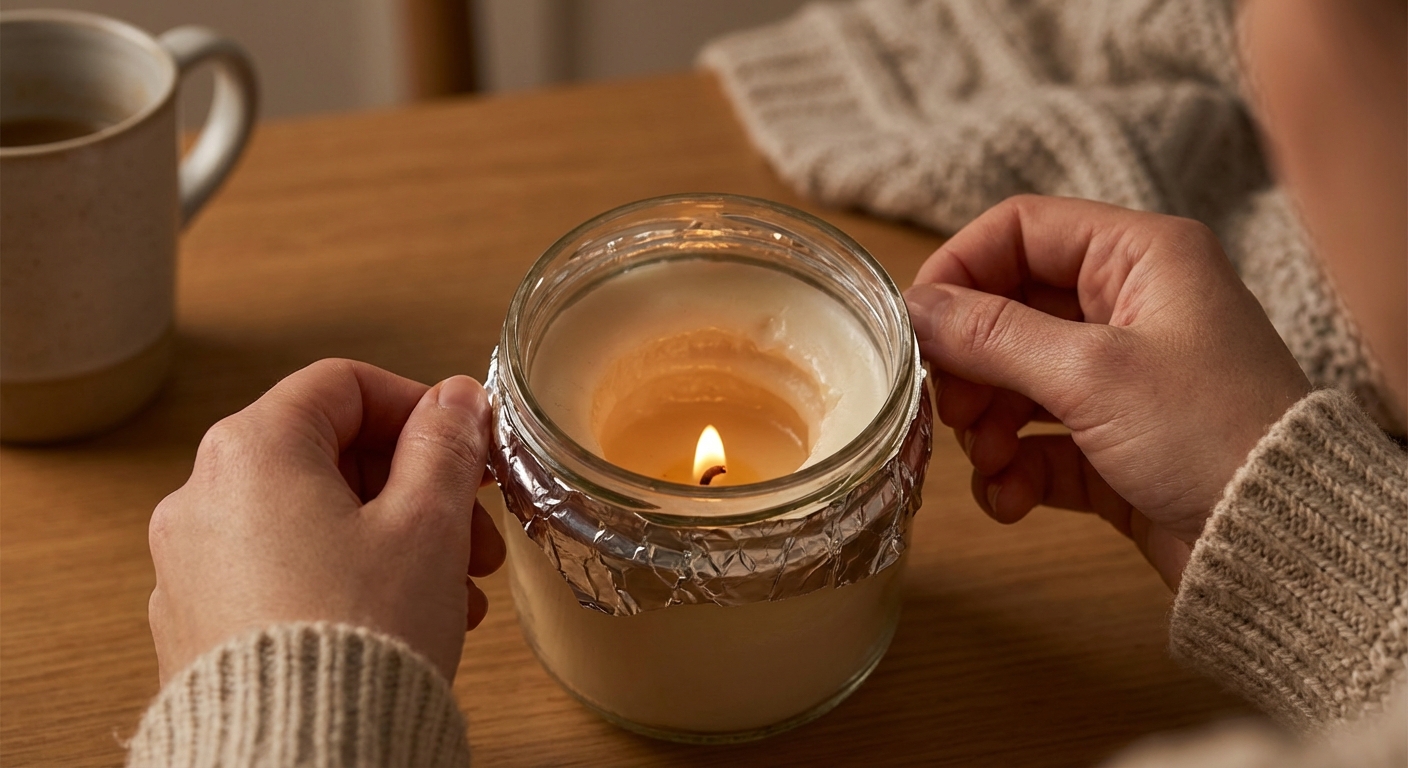
The most effective “hack” for home use might sound a little odd, but it works wonders: the aluminum foil method. Fold a piece of aluminum foil in half and wrap it around the top of the candle to form a dome. Be sure to leave an opening of about two to three centimeters at the top so the flame gets oxygen and smoke can escape. Let the candle burn for at least an hour (and never leave it unattended!). The foil reflects the heat downward, causing the hard edges to melt and flow back to the center. The result is often a nice, even surface.
If the tunnel isn’t very deep yet, you can also melt the top manually. This works on the same principle as smoothing out imperfections in a new candle. As we explain in our article on how to fix candle sinkholes, you can use a heat gun or a powerful hair dryer to manipulate the surface. Set the hair dryer to high heat and blow gently over the wax. Be careful not to blow too hard, or you’ll splash hot wax everywhere. Keep rotating the vessel until the top layer is completely liquid and smooth.
Why Does This Happen? (The Science for Makers)
For the makers among us, repairing a tunnel is handy, but *preventing* it is where the real work begins. With homemade candles, tunneling is usually not user error, but a design flaw. It all starts with the wax’s “memory.” The first time you burn a candle, you essentially set the diameter for the rest of its life. If you blow out a candle before the entire top layer has melted (achieving a full “melt pool”), the candle will rarely burn past that first ring during future burns.
However, if a candle fails to reach the edge even after three or four hours of burning, the problem lies in the construction. The most common cause is a wick that is too small. The wick is the engine of your candle; it needs to generate enough heat to melt the wax all the way to the edge of the container. Choosing the right wick is a precise business. In our guide on 5 things every beginner candle maker needs to know, you’ll learn that the same wick doesn’t work for every combination. A cotton wick that works perfectly in pure soy wax might drown in a blend with heavy fragrance oil. Many makers therefore swear by the stability of wooden wicks or the specialized TCR series.
-
€2.95 – €174.95 incl. VAT Select options This product has multiple variants. The options may be chosen on the product page
-
€4.95 – €369.95 incl. VAT Select options This product has multiple variants. The options may be chosen on the product page
-
€1.95 – €89.95 incl. VAT Select options This product has multiple variants. The options may be chosen on the product page
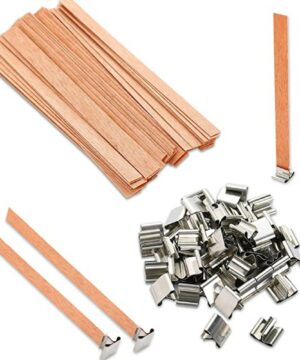


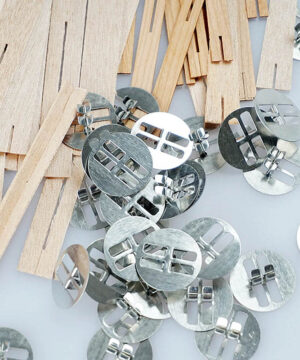
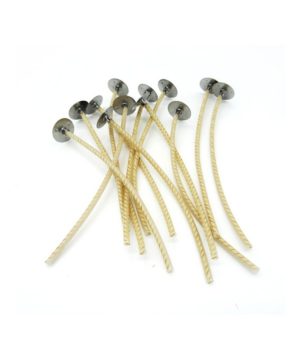
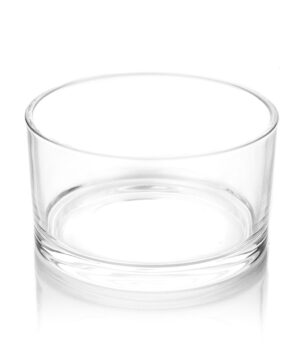
Additionally, the container plays a huge role. The diameter of your glass directly dictates how powerful your wick needs to be. If you have a wide glass, like a 55cl model, you may even need multiple wicks (double-wicking) to cover the entire surface area. Trying to stick one tiny wick in a ten-centimeter wide jar? You are practically asking for tunneling.
How to Prevent Tunneling in Your Next Batch
Planning to pour some candles yourself? Good preparation will save you a lot of frustration and wasted wax. Testing is the magic word here. Don’t put your entire stock up for sale immediately; make a single test candle first. As described in our step-by-step guide on how to make a container candle, patience is essential. Conduct a burn test: light the candle and check the melt pool every hour. After about three to four hours, the liquid wax should touch the edge of the glass. If it doesn’t? You need to “wick up” (choose a larger size).
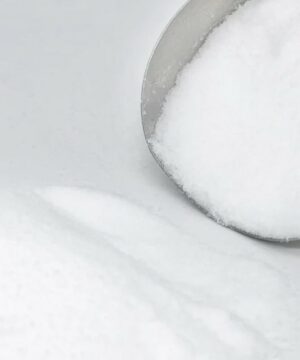
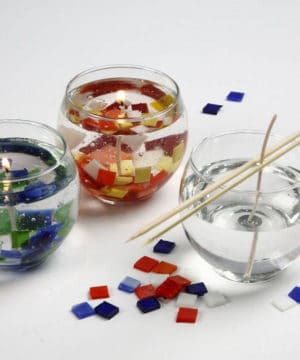
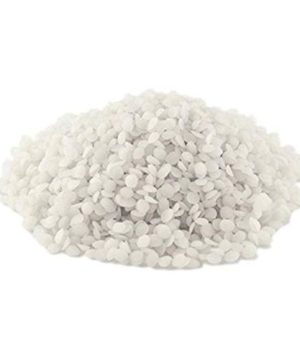
Also, pay close attention to the type of wax you use. Harder waxes like paraffin have a higher melting point and sometimes require a hotter flame than softer soy wax. Beeswax is even trickier; it is a very hard, natural wax. If you use white beeswax pellets, keep in mind that you’ll likely need a thicker wick than you’re used to with soy candles. For those who don’t feel like melting and testing at all, candle sand (powdered wax) or gel wax are interesting alternatives. Because sand wax consists of loose granules, it melts immediately around the wick and often replenishes itself.
-
€4.95 – €600.00 incl. VAT Select options This product has multiple variants. The options may be chosen on the product page
-
€7.16 – €219.96 incl. VAT Select options This product has multiple variants. The options may be chosen on the product page
-
€3.19 – €327.25 incl. VAT Select options This product has multiple variants. The options may be chosen on the product page


Be careful to avoid the “over-wicking” trap. It’s tempting to grab the largest wick available just to ensure tunneling is prevented, but that creates new dangers. A wick that is too large creates a flickering, smoking flame and can make the container dangerously hot. This is just as problematic as tunneling. It’s all about finding the balance between wax, scent, and wick. Want to know more about how these elements interact? Be sure to read our in-depth analysis on candle making with fragrance oils and tips for perfect scent throw.
Tunneling is annoying, but it’s not a disaster. With a piece of aluminum foil, you can often save your existing collection. And as a maker, it is simply a matter of calculating the right math between your jar diameter, wax type, and wick thickness. Don’t be afraid to experiment and be patient; that perfect, flat burn is worth the wait.
Check out our assortment and find the right materials for your next project.


