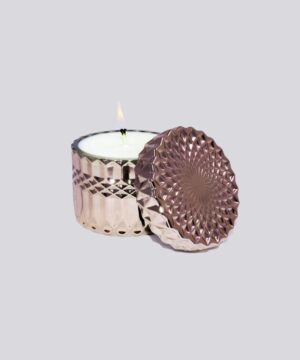
Have you ever looked at a high-end scented candle and thought, “I could do that, but better?” You’re certainly not alone. Making your own candles is one of those hobbies that starts with a spark of curiosity and often turns into a genuine passion for fragrance, design, and aesthetics. At first glance, it seems simple enough: melt some wax, toss in a string, and you’re done.
However, anyone who has made a candle that sputtered out after ten minutes or tunneled down the middle like a crater knows there is a bit more to it. Whether you want to elevate your home decor or dream of launching your own product line, this guide will walk you through the basics without the complicated chemistry lesson.
Preparation: What Do You Actually Need?
Before we begin, let’s look at your materials. The quality of your raw materials dictates whether your project succeeds. Having the right tools and ingredients is essential for a safe, beautiful result.
Choosing the Right Wax
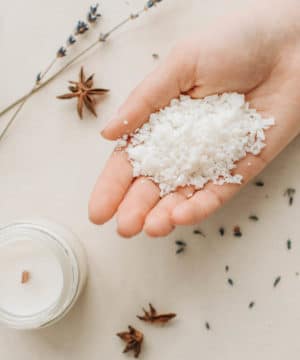
Not all wax behaves the same way. There is a major difference between wax intended for a jar (container wax) and wax that needs to stand on its own (pillar wax). Soy wax is a favorite among modern makers. It is plant-based and burns cleaner and longer than paraffin. For candles in glass jars, Golden Wax 464 is highly recommended due to its excellent adhesion to the glass.
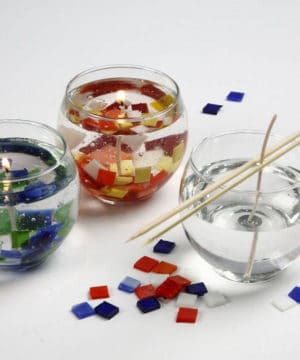
Prefer working with something eye-catching? Gel wax is transparent, allowing you to suspend decorations like shells or glitter inside. This does require a slightly different approach regarding temperature. Want to know more about the specific properties of each type? Read our extensive beginner’s guide to candle wax.
-
€5.95 – €3,300.00 incl. VAT Select options This product has multiple variants. The options may be chosen on the product page
-
€7.16 – €219.96 incl. VAT Select options This product has multiple variants. The options may be chosen on the product page
The Engine of Your Candle: The Wick
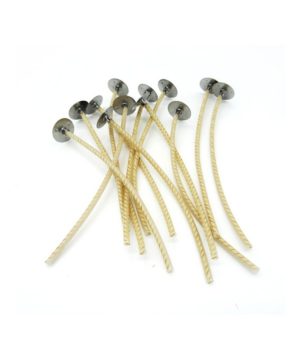
The wick is crucial for the burn. Choose the wrong one, and you’ll get smoke, soot, or a flame that instantly drowns in the molten wax. Cotton wicks are the standard choice. The TCR series is a pleasure to work with because it is self-trimming during the burn and doesn’t smolder long after being blown out.
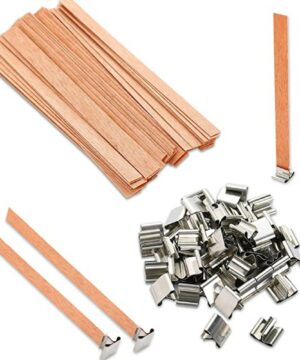
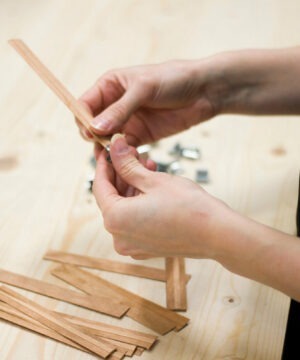
For extra atmosphere, wooden wicks are fantastic. They crackle softly like a fireplace and provide a high-end look. Just make sure to keep them trimmed short—about 5 millimeters—for the best burn performance.
-
€2.95 – €174.95 incl. VAT Select options This product has multiple variants. The options may be chosen on the product page
-
€1.95 – €89.95 incl. VAT Select options This product has multiple variants. The options may be chosen on the product page
Containers and Molds
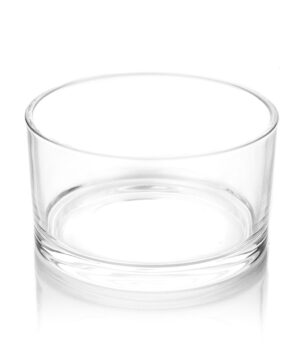
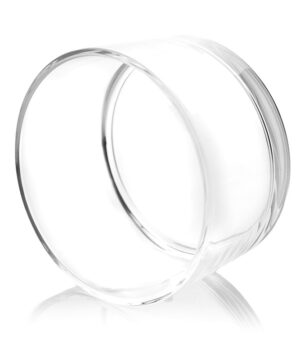
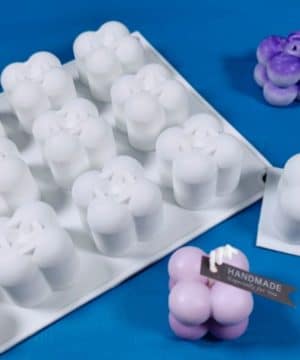
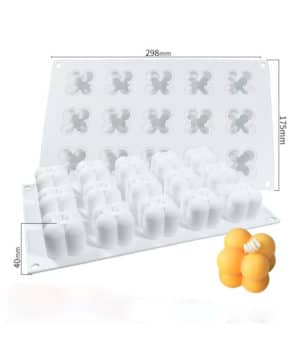
You can pour candles into glass containers or into standalone molds. If you use glass, always check that it is heat-resistant. A thin wine glass can crack from the heat of the flame, creating a dangerous situation. For freestanding candles, such as the popular bubble candles, use silicone molds. These are flexible, making it easy to remove the candle without damaging it.
Tools
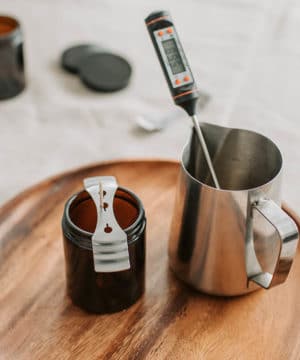
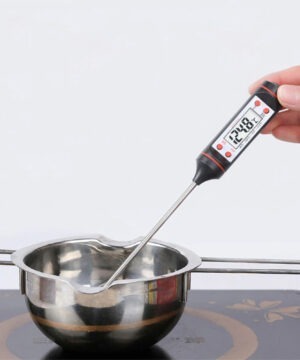
You don’t need to set up a full-blown laboratory, but a good melting pot and, above all, a reliable thermometer are necessary. Temperature is the deciding factor in candle making. If you pour wax that is too hot or too cold, the texture can change, or the scent can vanish.

Safety During the Process
We are working with hot liquids and eventually fire, so caution is required. Never melt wax directly over an open flame in a pan. Always use the double boiler method (a bowl over a pot of boiling water) or a dedicated wax melter. Direct heat can cause the wax to ignite.
Additionally, ensure you have a well-ventilated space, especially if you are working with fragrance oils. The vapors can be potent, and you don’t want to inhale them in a closed room. also, pay close attention to the flash point of your fragrance oil. If you add oil to wax that is hotter than the oil’s flash point, the scent will evaporate immediately, and in rare cases, the mixture can catch fire.
Step-by-Step: Your First Container Candle
We will focus here on a container candle, as this is the most accessible project for beginners. Would you rather make a freestanding candle? Check out our instructions on how to make a pillar candle.
Step 1: Preparing the Container
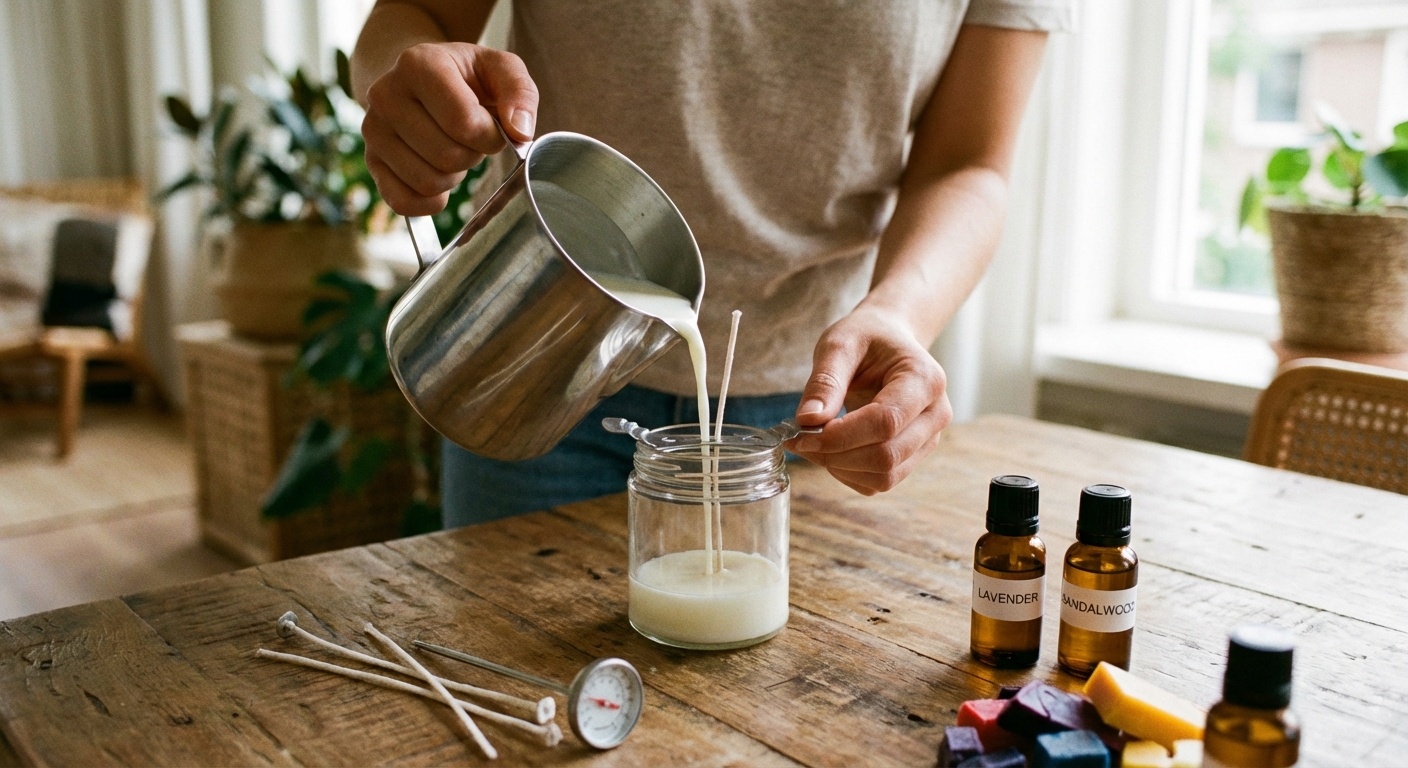
Ensure your jar is clean, dry, and at room temperature. Secure the wick exactly in the center of the bottom using a wick sticker or a dab of hot glue. Use a centering tool or a simple clothespin to keep the wick upright while you pour later.
Step 2: Melting the Wax
Weigh your wax. For a standard 20cl jar, you need about 160 to 180 grams of wax. Melt the wax gently using a double boiler. Use your digital thermometer to constantly monitor the temperature. Do not let the wax exceed 85-90°C to prevent discoloration or scorching.
Step 3: Adding Fragrance and Color
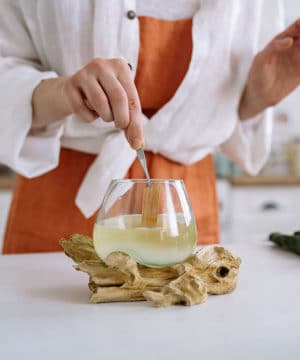
Once the wax is completely melted, remove the pan from the heat source. This is the moment for precision. Let the wax cool to about 70°C (always check the specific instructions for your wax type) before adding fragrance oil. A good guideline is a 6% to 10% fragrance load. So, for 180 grams of wax, you would use between 10 and 18 grams of oil. Stir the mixture gently but thoroughly for two minutes to ensure the scent binds well with the wax.
Want to add some color? Add your candle dye now. Liquid dye mixes very easily, while dye blocks are a bit more cost-effective.
Step 4: Pouring
Let the wax cool further to the correct pouring temperature. For Golden Wax 464, this is often around 55-65°C. Pour slowly to prevent air bubbles and stop about a centimeter below the rim of the glass.
Step 5: Curing
Now comes the hardest part: waiting. Let the candle solidify at room temperature and do not move it. Although the candle may seem hard after a few hours, soy candles often need a week or two to “cure.” During this process, the fragrance oil bonds permanently to the wax, which ensures a much better scent distribution (the ‘throw’) when you finally light it.
Inspiration and Variations
Now that you have mastered the basics, you can start experimenting with different styles and scents. You aren’t limited to standard vanilla. At YouWish, you will find an extensive range of candle fragrance oil, ranging from designer perfume dupes to complex, woody aromas. Read our tips on making candles with fragrance oils to learn how to get a scent that fills the whole room.
Bored with standard jars? Try shaped candles. The bubble candle is currently incredibly popular in interior design. For these types of candles, use a harder type of wax or a mix with stearin so they retain their shape while burning.
Troubleshooting Common Problems
Sometimes things don’t go right the first time. Is your candle only burning in the middle, leaving a thick rim of wax on the sides? This is called ‘tunneling’ and usually means your wick is too small for the diameter of your jar. Check the size charts for candle wicks to find the right fit.
Another common phenomenon with soy wax is a rough, grainy top after solidifying. Don’t panic; this is purely aesthetic. You can use a hair dryer or heat gun on the lowest setting to briefly melt the top so it dries smooth again. Do you see a black lump forming on your wick while burning? We call that a ‘mushroom.’ This often indicates that the wick is slightly too large or that too much fragrance oil was used.
Starting Your Own Creation
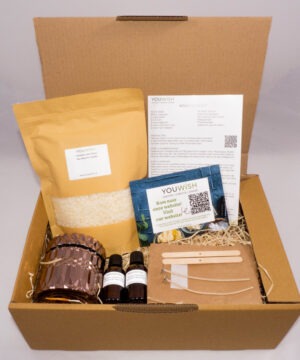
Making your own candles is a blend of science and art. It requires some patience and precision, but the result—a handmade candle that perfectly matches your taste—is incredibly satisfying. Do you find it daunting to gather all the separate components yourself? Start with a complete kit that contains everything you need for your first project.