
Tea tree oil has been used for years in natural beauty products and aromatherapy. Yet more and more do-it-yourselfers who make their own skin care products and soaps are using it because they want formulas with real, noticeable benefits from plants. Tea tree oil is one of the most versatile ingredients for people who like to experiment with their own beauty products. It can be used in everything from purifying facial oils to refreshing shampoo bars and purifying cold process soaps. In this blog, we discuss all of these, along with examples of how to make things and tips for using them.
What makes tea tree oil so effective in natural beauty formulas?
Tea tree oil contains more than one hundred natural constituents. The best known of these is terpinen-4-ol, which has been well studied for its purifying and balancing effects. This is also the component that explains why tea tree oil for skin applications feels refreshing without drying out the skin, if used properly. People who buy tea tree oil usually want two things: for it to be pure and for it to remain stable. High quality tea tree oil works the same way in lotions, serums, soaps and hair products. Low-purity tea tree oil, on the other hand, may oxidize or smell foul more quickly.
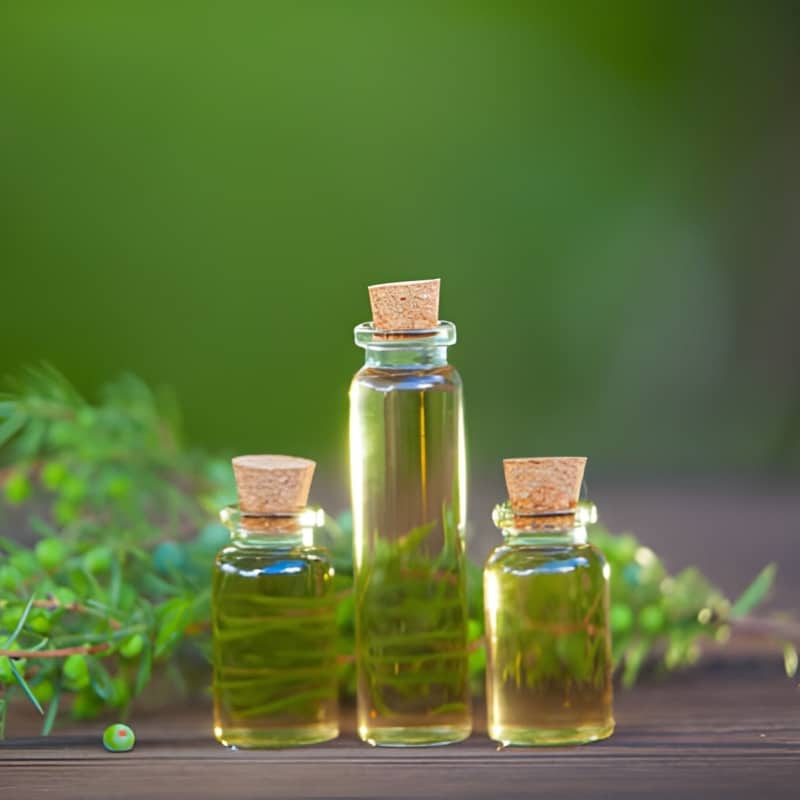
Tea tree oil works with the skin’s natural barrier rather than removing it, which is different from synthetic antimicrobial ingredients. This makes it especially attractive to manufacturers who want high-quality formulas but stick to natural skin care methods. The scent of tea tree oil is strong, but many people like that it goes well with
Benefits of tea tree oil for the skin
Tea tree oil for skin care has more than one function. Manufacturers like it because in one ingredient it contributes to many aspects of healthy skin. It can help skin with blemishes without disrupting the moisture barrier, so it’s super for products that work for both oily and combination skin. It also works for makers who want to go in a clean beauty direction without giving up on visible results.
Balancing and purifying without drying out
People with acne-prone skin often use tea tree oil, but its real power lies in helping the skin stay balanced rather than over-drying it. It can be used on combination skin when mixed with carrier oils such as jojoba oil or grapeseed oil. People who make daily skin care products as well as targeted spot treatments often buy tea tree oil because it can be used in numerous scents. Therefore, many people always have tea tree oil on hand.
A second benefit is that the smell and feel of tea tree oil can give a sense of cleanliness without the need for heavy synthetic fragrances. This is why many people use tea tree oil for skin products daily. Combined with moisturizing ingredients, it keeps skin balanced and not feeling tight or too dry.
Supporting a healthy skin barrier
A good product with tea tree oil for skin does more than just treat blemishes; it also helps skin feel better. When combined with niacinamide, panthenol or squalane, it works well with other soothing ingredients and keeps the formula light. This blend is perfect for making your own night serums and roll-ons.
Another important thing to know is that products containing tea tree oil can help reduce the use of harsh surfactants in everyday cleansers. Tea tree oil can help you strike a better balance between purifying effects and barrier support by adding a natural sense of brightness. This is something many do-it-yourselfers try to do when adapting their homemade recipes. If you want to learn more about keeping your skin barrier healthy when formulating skin care products, check out our full guide: Skin Barrier Cream: Why it’s more important than you think
Tea tree oil for hair and scalp care
It is no coincidence that many natural brands use tea tree in their shampoos and scalp serums. Tea tree oil helps keep your scalp clean and your hair soft when mixed into a shampoo or conditioner base. People who make products for a refreshing shower experience say peppermint and tea tree oil mix well with each other without working against each other.
Adding a little tea tree oil to light oils such as argan or sweet almond oil keeps the formula of homemade hair masks fresh and moisturizing. A small amount of tea tree oil goes well with activated charcoal and kaolin clay in a purifying shampoo bar for deep cleansing without leaving a heavy feeling.
Using tea tree oil when making soap
For people who make soap, the stability of the scent is as important as how well it works. That’s why tea tree oil for soap is still a favorite of people who make cold process soap and pouring soap. The scent lingers long during curing and does not fade as quickly as more delicate floral essential oils. This makes it perfect for soap blocks that need to have a reliable scent profile even after weeks of curing.
Why soap makers love tea tree oil
- Even after curing, the fragrance remains strong and fresh.
- Works well for both facial soap and soap blocks for cleansing
- Lingers longer than citrus oils in cold-pressed formulas
- Works well with exfoliants such as clay, charcoal and pumice.
Tea tree oil for soap is a good choice if you need a fragrance that lasts a long time because of these benefits. Some floral essential oils fade quickly, but tea tree retains its character throughout the life of the soap block.
Best use practices for odor stability
- To keep the fragrance strong without making it too strong:
- For a light fragrance, start with 2% of all oils.
- For a strong fragrance that lingers for a long time, increase the amount to 3%.
- Mix with lavender or rosemary to soften sharp notes.
Buying tea tree oil is often on the shopping list of soap makers because they want to be sure of consistent results. This is not a trend, but is because stable quality is very important in cold process formulations.
Safety tips when making soap with tea tree oil
Tea tree oil speeds up the tracing process a bit, which is helpful if you want a quick cure, but it can mean faster pouring for complicated swirl designs. By testing in small groups, you can find the best super grease and swirl strategy without wasting material.
Another thing to remember is that tea tree oil for soap should only be used in small amounts so that the scent does not become too strong or irritate people with sensitive skin. By using a fragrance calculator and sticking to the recommended use amounts, you will ensure that each soap will be a beautiful, skin-friendly finished product.
Get the most out of tea tree oil in DIY formulas
If you cleverly mix tea tree oil with other ingredients, it can do even more. When mixed properly, the strong scent can turn into a luxurious fragrance profile.
Great combinations for tea tree oil for skin and body products:
- Lavender oil for a relaxing spa-like finish
- Eucalyptus oil for feeling healthy
- Use lemon or grapefruit oil to make your mornings smell fresh.
- Use rosemary oil to care for your hair and scalp.
Charcoal and French green clay are still very popular for tea tree oil soap, especially in soaps aimed at regulating sebum or cleansing after exercise.
Frequently asked questions about tea tree oil
V1. Is it safe to put tea tree oil on your face without mixing it with anything else?
No. Tea tree oil that has not been diluted can irritate your skin. Always follow the instructions for dilution.
V2. Can you use tea tree oil every day?
It can be part of your daily routine if used in safe amounts. Before using tea tree oil on the skin, you must consider dilution.
V3. Does tea tree oil lose its fragrance when used in cold-pressed soap?
Not fast. Tea tree oil for soap retains its fragrance better than most other essential oils and remains stable after curing.
V4. What is the best way to store tea tree oil?
To keep it fresh and prevent oxidation, store it in a dark, cool place with the cap tightly closed.
Conclusion
Tea tree oil remains one of the most useful ingredients for making your own skin, hair and soap products because it combines performance, versatility and stability in a complete botanical profile. Whether it is a purifying facial serum, a deep cleansing shampoo bar or a refreshing cold-pressed soap, tea tree oil offers makers a wide creative spectrum while delivering noticeable benefits. Choosing a highly pure version also ensures predictable fragrance, consistency and compatibility in a variety of formulations.
For those working on barrier care products or long-lasting fragrances in soap, buying tea tree oil early makes the DIY process smoother, especially when multiple batches are planned that rely on the reliable results of tea tree oil for skinthe reliable curing behavior of tea tree oil for soap.


