
Making your own skin care products is fun, and learning how to make liquid soap gives you even more creative options. Liquid soap can be used in many ways, is easy for beginners and can be personalized with your favorite scents. In this tutorial, we’ll show you how to make your own fragrance oil or essential oil blend, from choosing the right ingredients to bottling your finished product.
Many makers love liquid soap because it offers a good balance between practicality and creativity. You can use it to make everyday items that are personal, luxurious and good for your skin. This complete guide helps you make your own liquid soap with confidence and encourages you to try different scents, colors and textures with high-quality ingredients from YouWish.
What is liquid soap?
Liquid soap is a type of soap made with mild surfactants or soap bases that dissolve easily in water. Liquid soap remains liquid at room temperature, unlike solid soap. This makes it easy to use with pumps, refill bottles and daily hygiene routines. People often use it to wash their hands and body and even for light cleaning tasks around the house.
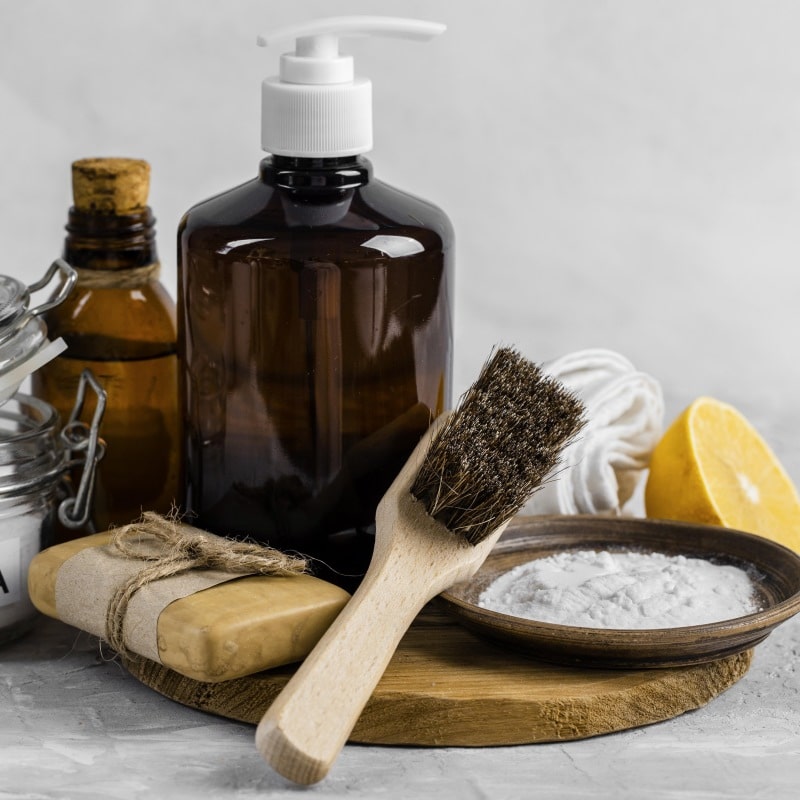
Liquid soap is more flexible than solid soap when it comes to making things. It remains liquid, making it easier to change textures and spread scents evenly. You can change the thickness, fragrance strength and color of homemade liquid soap without compromising its cleansing properties.
Why choose liquid soap for do-it-yourself projects
There are many reasons why makers love liquid soap. First, it is easy to use, clean and safe for both skin care and home use. It is also very flexible. Once you know how to make liquid soap, you can change the color, thickness or fragrance of one base to make many different kinds. You can use fragrance oil to make aromatic blends or essential oil to make simple, natural profiles.
Another advantage of liquid formulas is that they work well on all skin types. When you make your own liquid soap with plant-based ingredients and mild surfactants, it feels light, soft and fresh when used. Liquid soap also has a water-based base, which spreads fragrances evenly. This makes the scent purer and softer than pieces of soap.
Liquid soap is also super for people just starting out. Liquid soap bases make the process easier than traditional methods where you have to figure out how much lye to use and how long to let the soap dry. This means you spend less time worrying about how hard it is to do and more time learning how to balance scents, how to mix ingredients and what you like.
Ingredients you need to make liquid soap
It is important to get the right ingredients together before making liquid soap. A reliable base keeps everything the same and makes perfuming much easier.
A normal liquid soap recipe consists of:
- A blend of mild surfactants or a liquid soap base
- Distilled water
- Essential oil or fragrance oil
- Optional plant extracts or dyes
- Preservative (if the base needs it)
When making liquid soap, it is very important to use distilled water. This helps keep everything clear and reduces the chance of contamination. Always check the recommended use dosage when using fragrance oils or essential oils to make sure your liquid soap is safe for your skin. Want to learn this process step by step with natural ingredients? Then check out our comprehensive guide: How to make liquid soap at home with natural ingredients.
Understanding the role of fragrance in liquid soap
The smell of liquid soap plays a big role in how we use it. It changes not only how the product smells, but also how it feels when you use it. Liquid soap is made with water, so the way scents spread is different from candles or solid soap.
When you make your own liquid soap, the fragrance oils usually spread evenly and smoothly, so the scent remains the same from the first pump to the last. Essential oils, on the other hand, smell lighter and more natural, making them feel fresh and clean, especially in hand and body soaps. It’s not just a matter of personal taste when it comes to choosing the right scent. It is also important to know how essential oils and fragrance oils react with water, surfactants and pH levels in liquid soaps.
Choosing between fragrance oils and essential oils
There are two main types of fragrances you can use when making scented liquid soap: fragrance oil and essential oil. They both add character to your soap, but they work in different ways. If you want strong, long-lasting scents, fragrance oils are the best choice. They are made to always work well, especially in soaps, lotions and bath products. With these, you can make your own liquid soap in classic perfume scents such as floral, fruity, gourmand or clean laundry. Because it remains stable at different pH levels and temperatures, many makers prefer fragrance oils.
Essential oils are something completely different. They are super for liquid soap formulas inspired by nature because they come directly from plants. Adding lavender, eucalyptus, tea tree or sweet orange essential oil to your soap can make it smell fresh and plant-based. Blends of essential oils can also have some aromatherapy benefits, but they must be mixed very carefully because some oils lose their potency in high pH environments, such as liquid soap.
Most people who like to make their own things try both options at some point. You can also get creative with combining scents by learning how to mix fragrance oils with essential oils. This detailed guide from YouWish makes it easy to see the differences and gives you more information on when to use which: Fragrance oils versus essential oils: what’s the difference when making soap and candles?
Step by step: how to make liquid soap at home
Step 1: Preparing your workspace
Make sure you have a clean, organized work area before you begin. Liquid soap is made with both water and oils, so it’s important to keep everything clean to keep it stable. Make sure your tools are clean, your trays are ready and all your ingredients are measured out before mixing. This way, everything will run smoothly and you will ensure that the blends of fragrance oils or essential oils don’t sit too long before they are added.
A well-prepared space also reduces the risk of contamination and allows you to concentrate fully on your creativity. If you regularly make your own liquid soap, you’ll notice how much easier and more fun each session becomes if you just get organized.
Step 2: Heating the base or surfactants
If your soap base is liquid, put it in a container that can withstand heat and heat it slowly until it becomes thinner and easier to mix. Don’t let it boil; you only need enough heat to make it mix smoothly.
If you are making a surfactant formula, start by mixing the surfactants with distilled water and heat both slowly until they are completely mixed. High temperatures can cause it to not work as well, create less foam or change the action of your essential oil or fragrance oil later. Warm, liquid mixtures help spread the fragrance and additives evenly and minimize bubbles.
Step 3: Adding oils for a smooth texture
Add your chosen carrier oils to the base once it has warmed up. These oils affect how your skin feels and how well it is cared for. A small amount – usually just 1-2% of your formula – is all it takes.
Jojoba oil or argan oil provides a smooth and soft feel, while grapeseed or almond oil provides a light and fresh feel. Using vegetable oils in liquid soap aimed at skin care keeps your formula nourishing without feeling heavy. This is when your creativity really kicks in. Changing the oil mix gives your liquid soap a unique, handmade look.
Step 5: Perfume your liquid soap
Finding the right fragrance strength is super important. Start with 1-2% fragrance oil or essential oil and adjust the amount based on how strong your blend is and what you like. To preserve the character of the fragrance, always add it when it is warm, but not hot. To avoid bubbling, mix slowly so that the fragrance spreads evenly through the liquid soap.
As you make more of your own liquid soap, you will learn how different scents work. Some types of fragrance oils look great in water-based formulas, but for future batches you may need to add lighter essential oils.
Step 6: Adjust the thickness and texture
Depending on what you use, you can make liquid soap thicker or thinner.
- A saline solution or a natural thickener such as xanthan gum can help thicken it.
- Add a little warm distilled water to thin the soap.
Don’t rush changes. Thickeners work slowly, and if you use too much too soon, your soap may become sticky or cloudy. Trying new things pays off. As you make more liquid soap, you’ll learn how each base works and how thickness affects the scent and how the soap glides over your skin.
Step 7: Bottling and storing your soap
Pour your scented liquid soap into clean pump bottles after it is completely mixed and free of air bubbles. Mark the date and scent on each batch. Store your fragrance oil or essential oil blend in a cool, dark place to keep it stable.
Storing your liquid soap the right way will keep it clear and prevent it from shifting, so you’ll always have a smooth experience when you use it.
Frequently Asked Questions: Making scented liquid soap at home
V1. How much fragrance oil should I use?
Depending on how strong the scent is, most makers use 1-2% fragrance oil. Start with a smaller amount and adjust in future batches.
V2. Can I use essential oils and fragrance oils together?
Yes, this is a common way to create layered and complex scents. Before you add it to your soap base, check that it goes well together.
V3. Why is my liquid soap getting cloudy?
Adding too much fragrance oil or essential oil, using heavy oils or making the mixture too thick can all cause cloudiness. Heat the mixture gently and stir to make it clear again.
V4. Do I really need a preservative?
Your liquid soap will last longer if it contains only surfactants and water. Adding oils or vegetable ingredients will keep the product fresher longer.
V5. Can you make your own liquid soap without heating it?
Some ready-to-use bases can be mixed cold, but most formulas work best when heated slightly so that the essential oil or fragrance oil spreads evenly.
Conclusion
By making liquid soap, you can create everyday products that are uniquely yours, feel luxurious and smell the way you want. You can make your own liquid soap that smells wonderful, soft and refreshing for everyday use by mixing the right amount of fragrance oil or essential oil with a balanced base.
Each batch gives you a chance to try new colors, textures and scents, whether you’re doing it for the first time or want to improve your skills. You can check out YouWish’s full range of high-quality fragrance oils, essential oils and liquid soap ingredients to take your next project to the next level when you’re ready to get started.


